
International Society for Krishna Consciousness (ISKCON)
ISKCON, commonly called the Hare Krishna movement, is a Gaudiya Vaishnava organization founded in 1966 that promotes bhakti-yoga, temple worship, scriptural study, and community outreach worldwide.
Overview
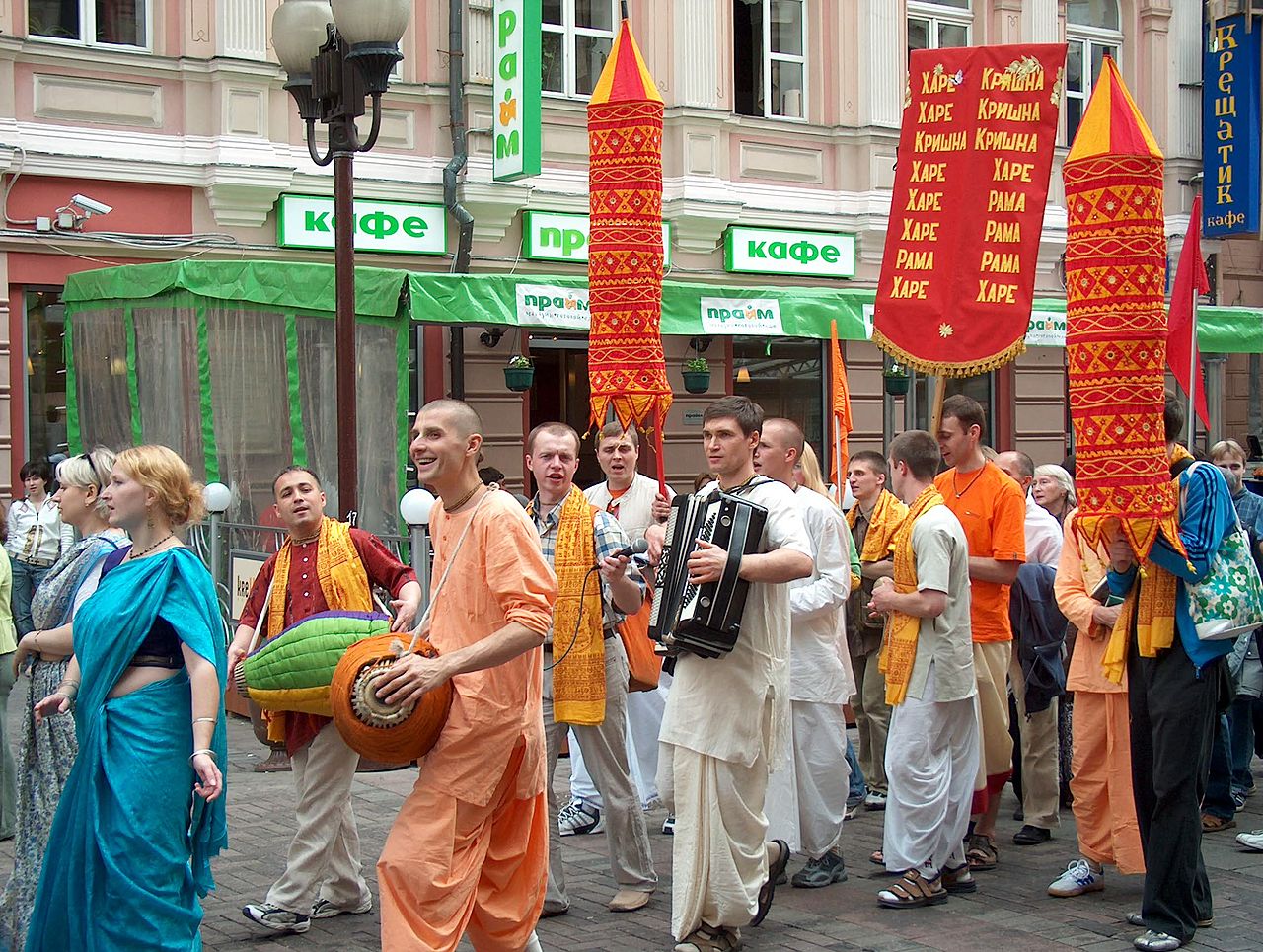
The International Society for Krishna Consciousness is a worldwide religious organization rooted in the devotional (bhakti) tradition of Gaudiya Vaishnavism, a branch of the broader Vedic heritage of South Asia. Often referred to as the Hare Krishna movement, ISKCON emphasizes personal devotion to Krishna as the supreme being and seeks to make ancient practices accessible to modern practitioners. The movement presents itself as a revival and global presentation of classical Vedic teachings and culture Vedic culture and is popularly known as the Hare Krishna movement.
Image gallery
10 Images



Founding and history
ISKCON was established in 1966 1966 in New York City New York City by A.C. Bhaktivedanta Swami Prabhupada A.C. Bhaktivedanta Swami Prabhupada, who translated and commented on key Vaishnava scriptures and sent disciples to found temples overseas. From its origin in the 1960s the movement expanded rapidly across North America, Europe, India and other regions, creating temples, farm communities, educational projects and public outreach efforts.
Beliefs and scriptures
ISKCON bases its theology and practice on a core set of texts and teachings. It gives special prominence to the principle scriptures of the tradition, including the Bhagavad Gita, the Srimad Bhāgavatam and the Caitanya-caritāmṛta. Central tenets include devotion (bhakti) to Krishna, the practice of chanting the Hare Krishna mantra, the importance of guru-disciple transmission, and the belief in the soul's eternal relationship with the divine.
Practices and community life
Daily life in ISKCON communities often combines temple worship, congregational chanting (kirtan), scriptural study, regulated lifestyle choices such as vegetarianism and abstention from intoxicants, and participation in festivals and charity. Key practices include:
- Chanting the Hare Krishna mantra as a form of meditation and devotion
- Temple services and deity worship
- Distribution of sanctified vegetarian food (prasadam) and books
- Religious education and youth programs
Organization, outreach and distinctions
As an organization ISKCON supports a network of temples, cultural centers, schools and farms that combine religious training with community service. ISKCON has engaged in interfaith dialogs, charitable feeding programs and public festivals such as Ratha Yatra, which have become notable public expressions of the movement.
Reception and notable facts
ISKCON attracted attention for its rapid international growth and distinctive public practices in the 1960s and 1970s. Over time it has also faced internal disputes and external criticism; the movement has undergone organizational reforms and increased emphasis on governance and child protection. Scholars and observers note ISKCON's role in popularizing bhakti-yoga globally and in translating classical devotional literature into modern languages, continuing the mission begun by its founder Prabhupada.
For further reading on its history, beliefs and activities consult introductory resources and scholarly studies about its origins and the principal texts listed above. Additional information and resources are available through official and academic channels Bhagavad Gita links and outreach pages Vedic culture references, as well as organizational descriptions movement overview and institutional reports founding details and structure.
Related articles
Author
AlegsaOnline.com International Society for Krishna Consciousness (ISKCON) Leandro Alegsa
URL: https://en.alegsaonline.com/art/47684