
Islam in China
A concise overview of the history, communities, cultural expressions and contemporary issues of Islam in China, from its Silk Road origins to modern regional diversity.
Overview
Islam has been present in China for well over a millennium, introduced by traders, travelers and missionaries along the Silk Road and by maritime contacts. Over that period Muslim communities have become woven into the social, economic and cultural fabric of many parts of the country, producing a wide range of religious practices and regional traditions.
Image gallery
10 Images


History and development
Early contacts with Arab and Persian merchants during the Tang and Song dynasties led to established Muslim communities in port cities and along inland trade routes. Over subsequent centuries Islam spread through conversion, intermarriage and the settlement of military and commercial migrants. Chinese dynasties alternately encouraged, tolerated or restricted Muslim life; at times Muslims served as influential officials, scholars and traders, while at other times relations were strained by rebellion and suppression.
Communities and geographic distribution
Muslims in China are ethnically and linguistically diverse. The two largest groups are the Hui—Muslims who largely speak Chinese and have integrated many Han cultural traits—and the Uyghurs, a Turkic-speaking people concentrated in the Xinjiang region. Other recognized Muslim minorities include the Salar, Kazakh, Dongxiang, Bonan, Kyrgyz and Tajik peoples.
- Hui: widely distributed, often urban and rural, culturally close to Han Chinese in language.
- Uyghur: concentrated in Xinjiang, culturally and linguistically Turkic.
- Other minorities: smaller groups with distinct languages and customs, especially in northwest China.
Religious life, schools and architecture
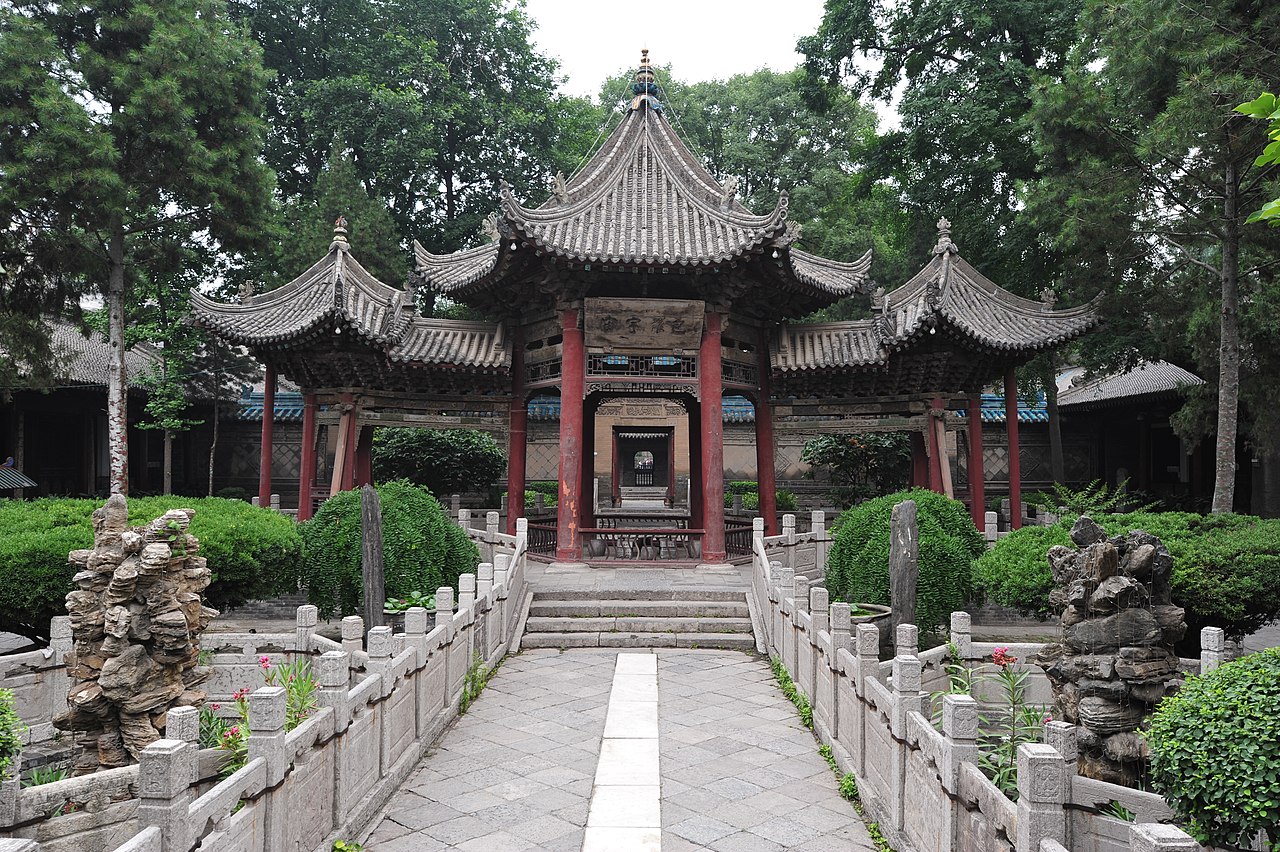
Most Chinese Muslims historically follow Sunni Islam, particularly the Hanafi legal school, and some regions developed Sufi orders. Mosques in China illustrate a blending of Islamic and Chinese architectural forms: many incorporate local rooflines, courtyards and calligraphy. Islamic scholarship in China produced distinctive works in Chinese and Arabic, and religious life has long included halal culinary traditions, ritual observance and community institutions.
Modern developments and contemporary issues
In the 20th century political upheaval and state policies reshaped religious practice: the Communist period brought restrictions and interruptions, including during the Cultural Revolution, while the late 20th century allowed degrees of revival. Since the 2010s policies affecting religious expression, cultural life and governance in some regions, notably Xinjiang, have drawn domestic and international attention and debate. Estimates of the Muslim population vary; contemporary sources place the community at several tens of millions, representing a minority of the national population.
For further context and resources on historical and current aspects of Islam in China, see additional background.
Related articles
Author
AlegsaOnline.com Islam in China Leandro Alegsa
URL: https://en.alegsaonline.com/art/48382