
Instant camera
A camera that produces a finished photographic print within minutes of exposure, popularized by Polaroid and later revived by other makers; valued for immediate, tangible images and creative uses.
An instant camera is a photographic device that yields a finished, physical print shortly after taking a picture. Unlike conventional film that requires a separate laboratory process, instant cameras contain self-developing film packs so the image appears within minutes. The format is most commonly associated with Polaroid, though many manufacturers and modern revivals have expanded the field. For further reading see related resources.
Image gallery
10 Images


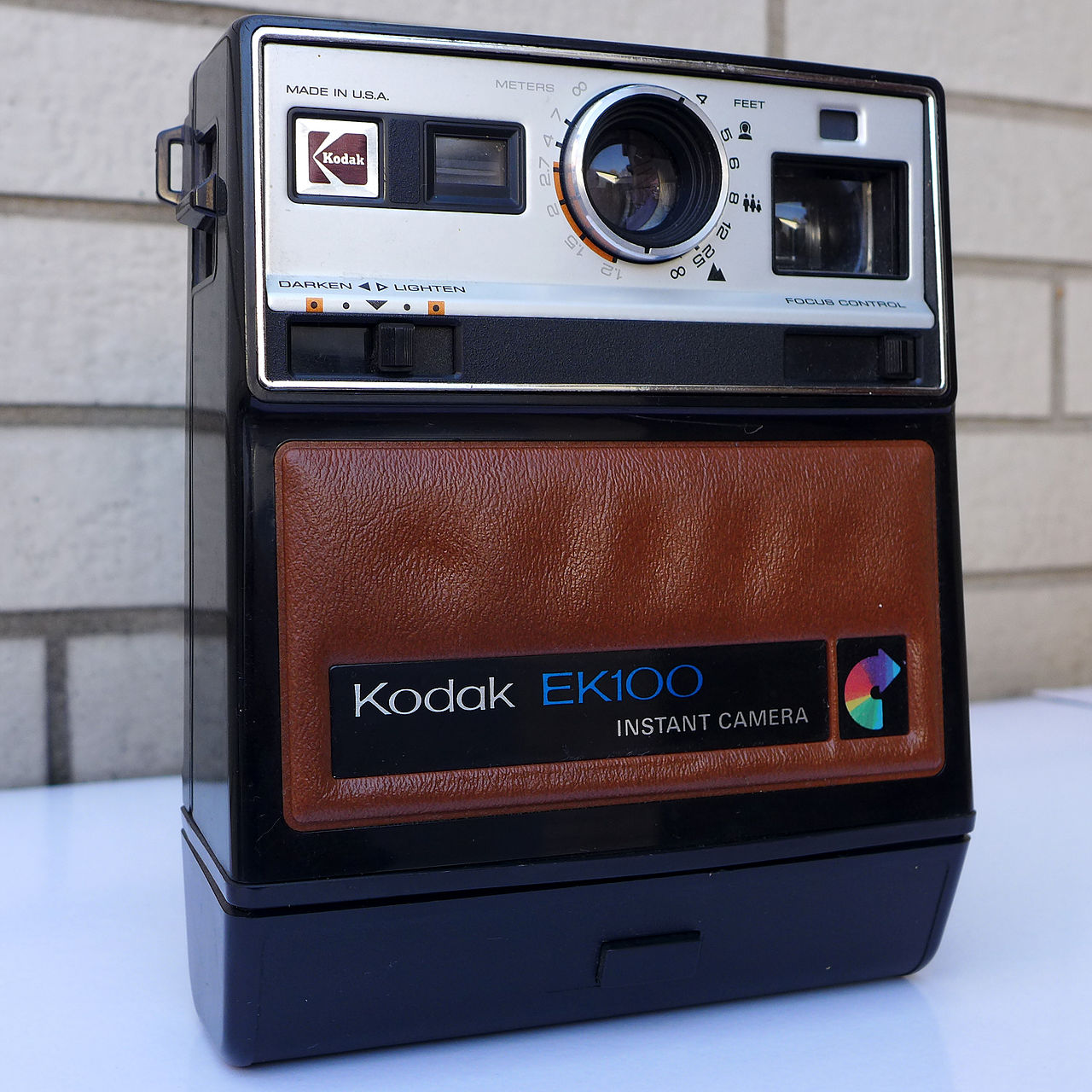


Characteristics and how it works
Instant cameras use specialized film that carries the chemicals needed for development. After exposure the camera ejects the sheet or packet; internal reagent layers spread or react to develop the image without additional equipment. Two common film families are peel-apart types, where the film is separated after processing, and integral film, which develops automatically in a single unit. Design-wise these cameras often emphasize simplicity: fixed or limited-focus lenses, built-in flashes, and basic exposure or automatic metering.
- Self-contained film chemistry: developer and receiving layers inside the film.
- Quick results: print visible in seconds to minutes.
- Simple controls: many models favor ease-of-use over technical adjustments.
- Physical, unique prints: each exposure produces a one-off object.
Instant photography emerged in the mid-20th century and became a major consumer format through brands like Polaroid. Iconic models and film formats evolved over decades; demand slowed with the rise of digital photography but later resurged. Companies such as Fujifilm introduced compact instant lines, and specialist projects restored and produced legacy film types, sustaining an active community of makers and collectors.
Uses range from casual social snapshots at events to artistic practice and documentary work. Many photographers prize instant prints for their tactile quality, unpredictability, and the immediate feedback they provide. The medium encourages experimental techniques such as emulsion lifts, hand-coloring, and intentional light leaks.
Notable distinctions include differences from digital instant printers (which print a digital file on instant-style paper) and limitations like relatively low resolution, finite film stocks, and per-shot cost. Despite constraints, instant cameras retain cultural appeal for their blend of immediacy, materiality, and distinctive aesthetic.
Related articles
Author
AlegsaOnline.com Instant camera Leandro Alegsa
URL: https://en.alegsaonline.com/art/47463