
Industrial society: development, features and global significance
An overview of industrial societies: how mechanized production, urbanization, and division of labour transformed economies, social life and the environment from the Industrial Revolution to the present.
Overview
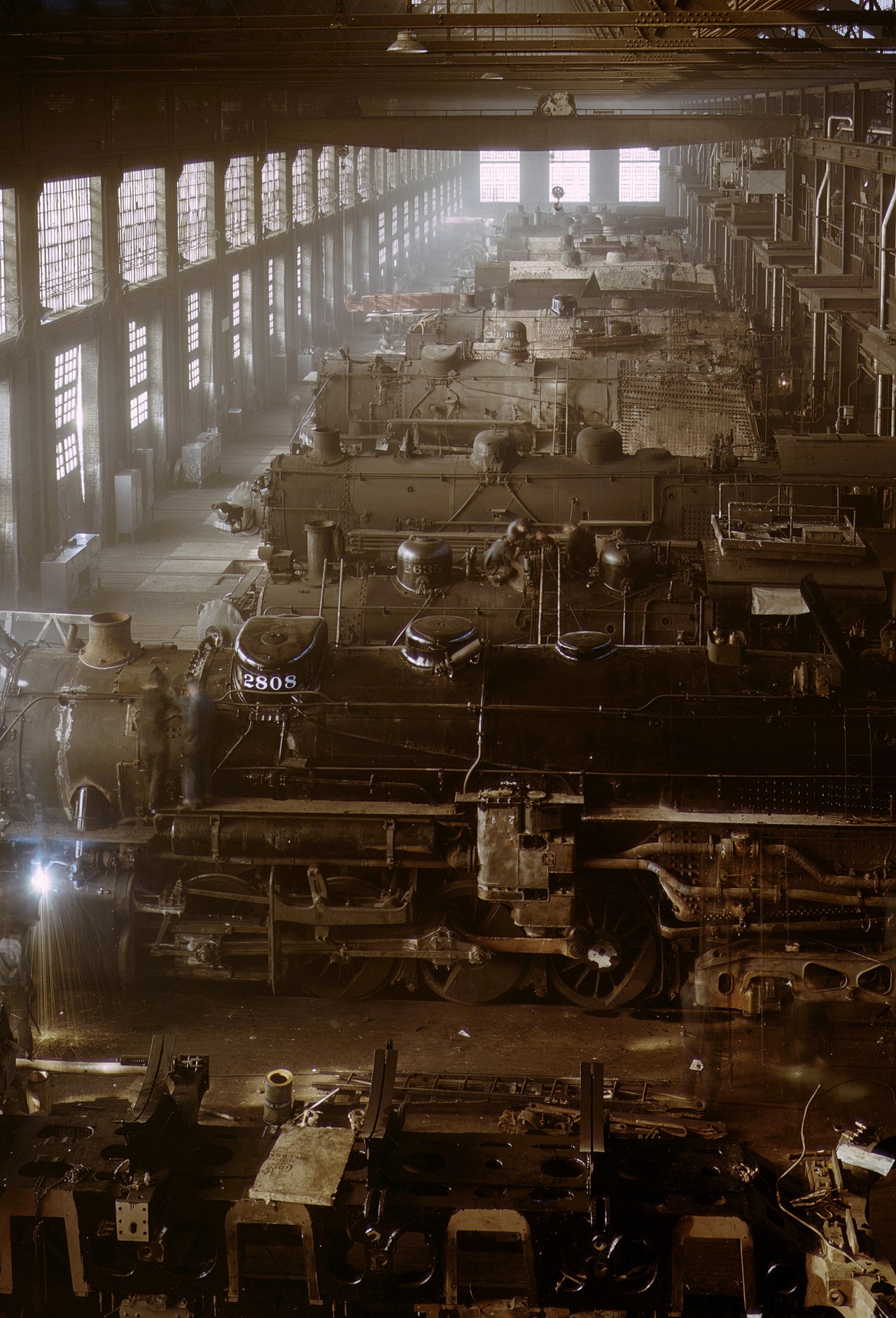
An industrial society is one in which large-scale manufacture of goods, powered by technological sources of energy, is the dominant economic activity. Production systems emphasize mechanization and standardized processes that enable high output and distribution. Industrialization typically brings urban growth, specialized occupations, and new forms of organization for both work and public life. The term contrasts with agrarian or pre-modern social forms centered on small-scale farming and household production.
Image gallery
5 Images


Key characteristics
Core traits of industrial societies include:
- Technology-driven production: Machines and engineered processes replace manual methods — see general discussions of technology.
- Mass production: Standardized, high-volume manufacturing techniques such as assembly lines enable lower unit costs (mass production).
- Large, concentrated populations: Migration to cities and factory towns expands the urban workforce (population growth in urban centres).
- Organized division of labour: Work is broken into specialized tasks across occupations and firms (division of labour).
Historical development
Industrial society in the Western world emerged during the late 18th and 19th centuries, a transformation commonly called the Industrial Revolution. This shift replaced the largely rural and craft-based economy of the pre-modern era and reoriented social life around factories, transport networks and new energy sources such as coal and later oil and electricity. The process unfolded unevenly: early adopters in Western Europe and North America industrialized first, while other regions followed at different speeds.
Economic and social impacts
Industrialization increased productivity and material wealth, expanded education and created new employment sectors. It also produced social changes: urbanization, labor movements advocating for workers' rights, and shifts in family and gender roles. Environmental effects — pollution, resource extraction and altered land use — have been significant considerations in modern policy debates.
Global examples and transitions
Many countries today are industrial or post-industrial. The United States and much of Europe exemplify mature industrial economies. Rapid industrial expansion has occurred in large nations such as China and India, though substantial rural and agricultural populations persist. Contemporary development often moves toward service-based economies, but manufacturing remains central to economic development strategies in many regions.
Distinctions and contemporary relevance
Industrial societies are distinct from agrarian or hunter-gatherer systems by scale, organization and energy use. Today, debates about automation, globalization and climate change focus on how industrial systems can adapt — balancing productivity with social equity and environmental sustainability. For further reading see general resources on industrial organization and economic history (technology, Industrial Revolution).
Related articles
Author
AlegsaOnline.com Industrial society: development, features and global significance Leandro Alegsa
URL: https://en.alegsaonline.com/art/47245