
Isithembu — polygyny in parts of southern Africa
Isithembu is a Nguni-language term for polygyny practiced in parts of southern Africa. This article explains its forms, cultural roles, historical development, legal recognition, and contemporary debates.
Isithembu is a Nguni-language term often rendered in English as polygyny or polygamy. It refers to social arrangements in which a man may have more than one wife simultaneously. The practice has been present in several African societies, especially among Nguni-speaking groups such as Zulu, Xhosa and Swazi communities, and carries distinctive cultural meanings, responsibilities and rules. Readers can follow general discussions of polygamous customs via further resources.
Image gallery
1 Image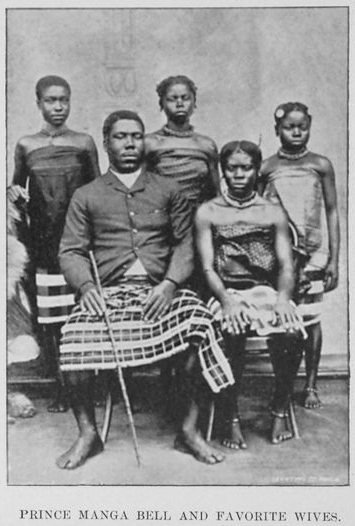
Forms and social structure
Isithembu can take different institutional shapes. Common elements include a senior wife who often has precedence in household decision-making and ritual roles, and later wives whose junior status is defined by marriage order. Practices such as bridewealth (lobola) influence the legitimacy and expectations of each union. In some contexts, a widow may be taken into the household of her late husband's brother in a levirate-like arrangement to preserve family ties and care for children. For regional background see cultural studies.
Reasons and social functions
Several practical and symbolic motives have underpinned isithembu historically: the desire for male heirs and large families; the need for labor and economic cooperation on farms or homesteads; forms of alliance-building between families through arranged marriages; and social security for women who might otherwise lack protection or material support. In certain communities, having multiple wives has been associated with social status for men and an extended kin network that supports communal obligations.
History, law and modern change
Before and during colonial eras, isithembu was regulated by customary norms rather than formal state law. During the 20th and 21st centuries national legal systems have taken different approaches: some recognize polygynous unions under customary law, while others restrict or prohibit them. For example, customary marriage laws in parts of southern Africa acknowledge polygyny alongside debates about equality and family law. Urbanization, changing economic pressures and women's rights movements have altered the practice and prevalence of isithembu in many places; see comparative analyses at regional summaries.
Contemporary issues and distinctions
Public discussion of isithembu intersects with questions about gender equality, inheritance, child welfare and health. Advocates argue that when regulated by custom and law it can provide social security for wives and children; critics point to unequal power dynamics and legal complications for spouses. It is important to distinguish polygyny (one man, multiple wives) from polyandry (one woman, multiple husbands) and broader polygamy categories. For conversations about current practice and policy, consult materials at further reading.
- Common motivations: succession, labor, alliances, social security.
- Typical features: senior wife status, bridewealth negotiations, extended household responsibilities.
- Contemporary trends: legal recognition varies; urbanization and gender norms are changing practices.
Understanding isithembu requires attention to local customary rules, historical context and contemporary legal frameworks. While often framed in shorthand as "polygamy," its meanings and social effects differ greatly by locality and era.
Questions and answers
Q: What is Isithembu?
A: Isithembu is the African custom of a man being able to have more than one wife at the same time.
Q: Are there situations in which a man can have additional wives according to Isithembu?
A: Yes, there are. A man may marry again if his current wife or wives cannot have children, have not produced male children, or do not want children.
Q: Is divorce allowed in Isithembu?
A: No, divorce is not allowed. The current wife or wives become senior wives, occupying a position of honor.
Q: Are there cultures in which having multiple wives is considered normal for men?
A: Yes, the Swazi culture considers it normal for men to have many wives.
Q: What is the purpose of Isithembu according to the text?
A: Isithembu is practiced to ensure the continuity of families and care for the widows and their children in case of a man's death.
Q: Can a man's wife be married to his brother upon his death?
A: Yes, in some places if a man dies, his wife or wives are married to his brother to ensure the family's continuity and care.
Q: What is the role of women in Isithembu?
A: Women are expected to have children, which is considered normal for them. They occupy a vital role in the continuity of families.
Related articles
Author
AlegsaOnline.com Isithembu — polygyny in parts of southern Africa Leandro Alegsa
URL: https://en.alegsaonline.com/art/48378
Sources
- ghostdigest.co.za : "Customary marriages and estates"