
Jaat (Jat): Northern South Asian agricultural community
Jaat (also Jat or Jatt) is a historically agrarian community found across northern India and Pakistan, organized into clans, varied by religion and region, and noted for its role in rural economy and local politics.
The Jaat, often spelled Jat or Jatt, are a large social community traditionally associated with agriculture and animal husbandry in northern South Asia. They are found across northern India and Pakistan, and include people who follow Hinduism, Sikhism, and Islam. The community is not monolithic: customs, status, and occupations differ by region and history.
Image gallery
10 Images




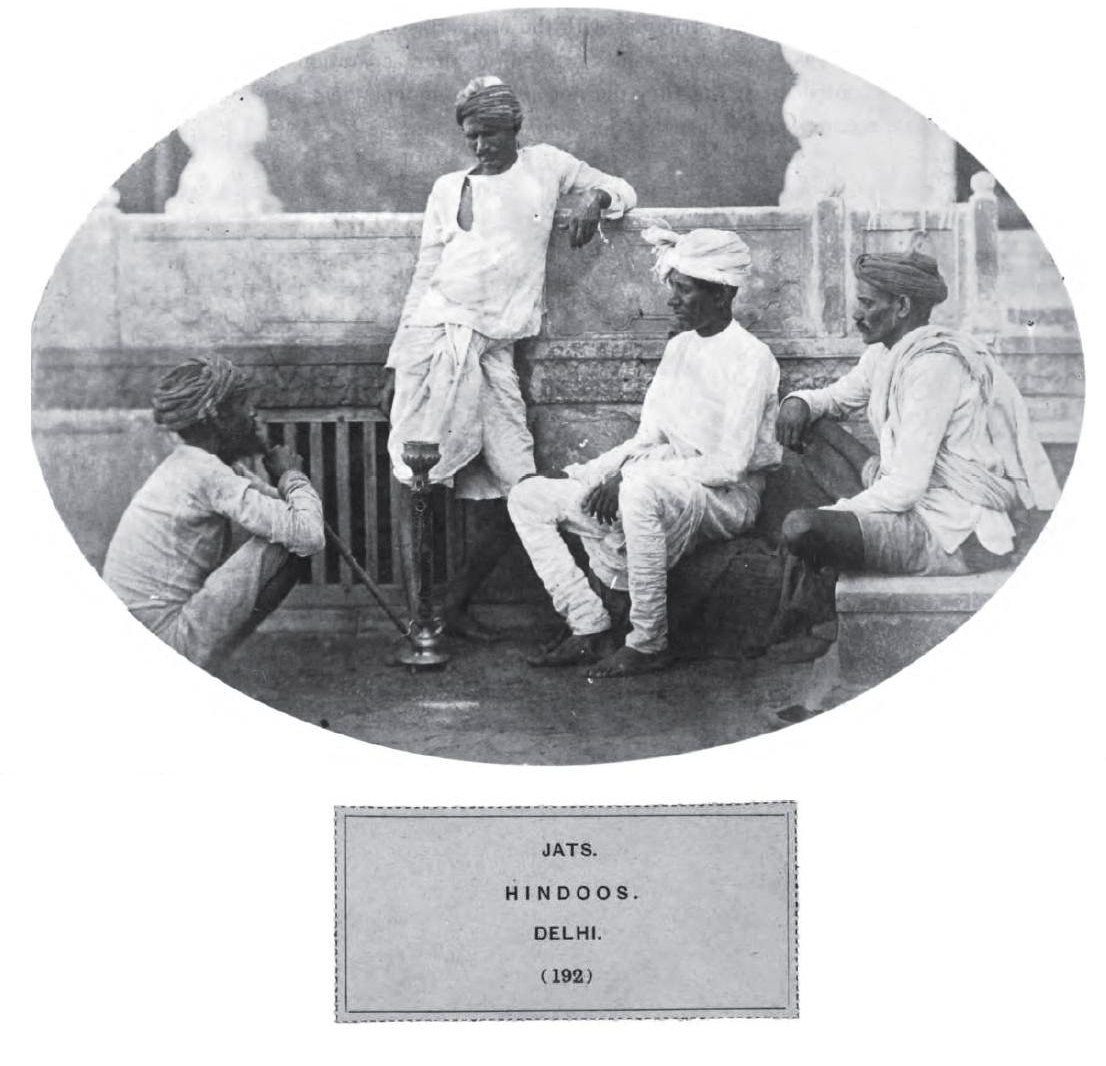
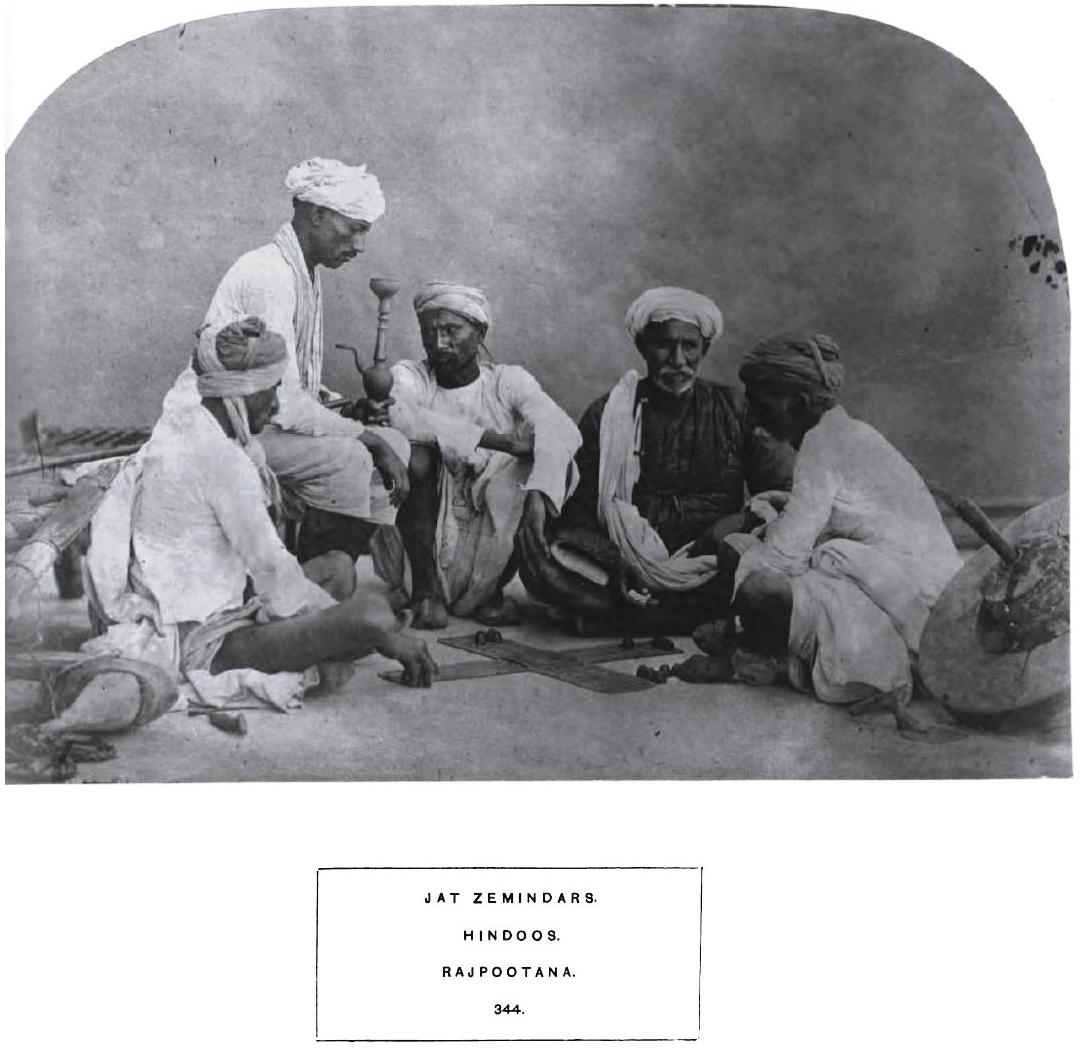
Origins and historical development
Scholars trace the Jaat identity to a mixture of pastoral and agricultural groups that settled the plains and foothills of the northwest subcontinent. Over centuries they moved from pastoralism toward settled farming, became landowners in many areas, and played active roles in local politics and military service in successive pre-colonial and colonial regimes. During the modern era their influence expanded in some regions through landholding, mobilization in peasant movements, and participation in regional governance.
Social structure and culture
Jaats are typically organized into clans or lineages (often called gotras) that govern marriage alliances and local social networks; specific kinship rules and customs vary by locality. Languages spoken include Punjabi, Haryanvi, Rajasthani dialects, and Hindi variants, reflecting the broad geographic spread. Folk music, seasonal agricultural festivals, and specific martial and rural traditions figure prominently in community identity.
Geographic distribution
- India: large concentrations in Punjab, Haryana, Rajasthan, western Uttar Pradesh, Delhi, Himachal Pradesh and adjoining areas.
- Pakistan: present notably in Punjab and Sindh provinces and other rural districts.
In contemporary times many Jaats remain engaged in farming, but increased education, urban migration, and diversification of occupations have moved substantial numbers into industry, services, and the armed forces. Legal and social classification varies across states and countries: in some Indian states they are politically influential rural communities and in others they appear in lists for affirmative action or local reservations, while in Pakistan they form important components of rural society.
Variants of the name and related groups exist across the region, and the Jaat identity continues to evolve with changes in landholding patterns, economic opportunity, and political organization.
Questions and answers
Q: Who are the Jaat?
A: The Jaat are a community of traditionally non elite peasants in northern India and Pakistan.
Q: What is the background of the Jaat community?
A: The Jaat community has a traditional background of being non-elite peasants.
Q: Where are the Jaat located?
A: The Jaat are predominantly located in northern India and Pakistan.
Q: What is the social status of the Jaat community?
A: The Jaat community is traditionally considered to be non-elite.
Q: What kind of work do the Jaat typically do?
A: As peasants, the Jaat typically engage in agricultural work.
Q: What is the culture of the Jaat community like?
A: The culture of the Jaat community is primarily informed by their traditional practices as non-elite peasants.
Q: How has the Jaat community evolved over time?
A: While the Jaat community may have evolved in different ways over the years, they remain a community of traditionally non-elite peasants in northern India and Pakistan.
Related articles
Author
AlegsaOnline.com Jaat (Jat): Northern South Asian agricultural community Leandro Alegsa
URL: https://en.alegsaonline.com/art/48826