
Imp (mythical creature)
An imp is a small, often mischievous supernatural being found in European folklore and later literature, associated with trickery, household spirits, witches' familiars, and minor demonic agency.
Overview
An imp is a small supernatural being found in traditional accounts across Europe and later popular culture. Often portrayed as mischievous rather than wholly malevolent, imps occupy a space between helpful household spirits and dangerous demons. In older texts the word might be used interchangeably with other terms for minor spirits; modern discussions treat imps as a distinct folkloric type. Scholars trace their mention in narratives of folklore and popular superstition, and the creature is frequently compared to a fairy or a small demon.
Image gallery
3 Images

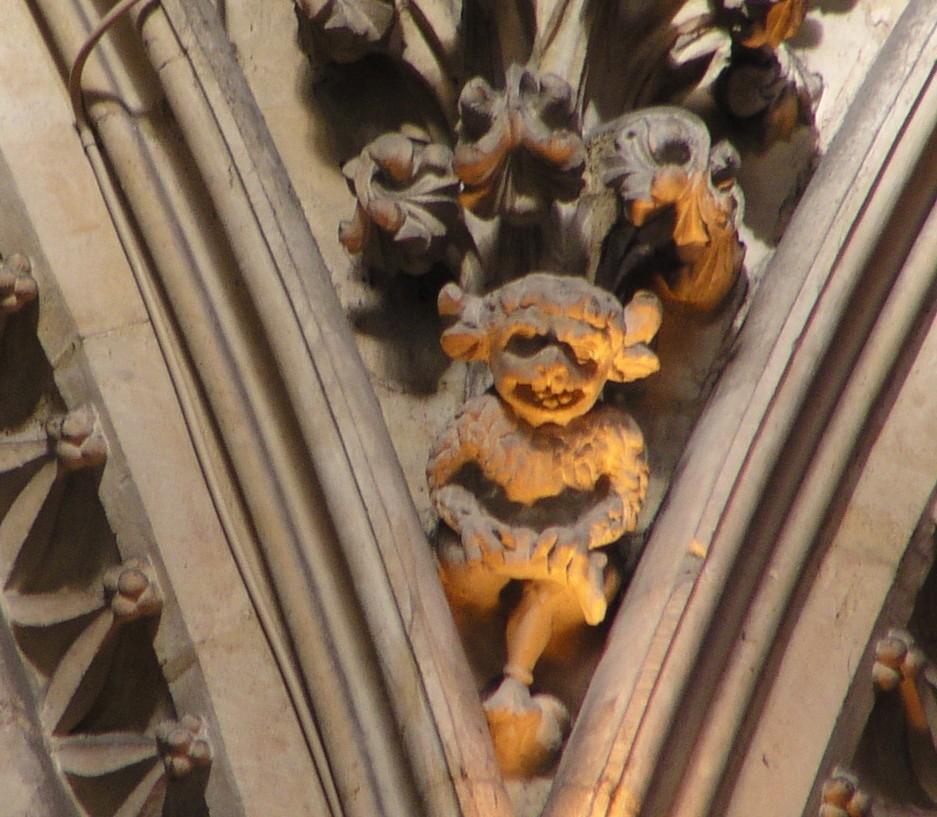
Typical characteristics
Descriptions vary by region and period, but imps are commonly described as small, quick, and fond of playing tricks. They are not usually depicted as large or cosmic forces; instead they act as local nuisances or cunning helpers. Accounts emphasize attributes such as agility, a penchant for pranks, and an ability to hide or become invisible. Some stories give imps a capacity to speak, bargain, or perform simple tasks in exchange for food, offerings, or a compact with a human.
History and cultural origins
The concept of imps has deep roots in vernacular belief. In medieval and early modern Europe, imps appear in accounts that mingle Christian demonology with older folk ideas about household spirits. Popular images of imps sometimes connect them to the followers of the devil in moralizing literature, or to the familiar spirits reputed to assist witches. Throughout the Middle Ages and beyond, stories told of imps being bound, summoned, or confined within objects, a motif linked to practices of supernatural service and control through magic.
Roles, uses, and examples
Imps function in narratives as tricksters, servants, or intermediaries. In some tales they steal small items, mislead travelers, or rearrange domestic objects; in others they perform chores in return for offerings. Literary and artistic traditions adopted the imp as a convenient symbol of petty vice or quaint supernatural activity. Modern fantasy and popular media often rework the imp archetype—sometimes leaning into comic relief, sometimes reimagining it as a minor adversary—while retaining the core themes of small size and mischievous intent.
Distinctions and notable facts
It is useful to distinguish imps from related types: fairies (often tied to older nature traditions), goblins (typically more malicious and physical), and demons (usually more powerful and morally weighty). Unlike major demons, imps are rarely central cosmological agents; they are portrayed as lesser spirits whose influence is local and practical. Folklorists note that imps illustrate how communities personified unexplained misfortune, domestic oddities, or moral anxieties in small, controllable beings.
Further reading and context
- Comparative entries on small spirits in regional creature lists and myth compendia.
- Studies of household spirits and familiar spirits in witchcraft narratives.
- Surveys of medieval and early modern accounts linking imps to the devil and to witches from the Middle Ages to later folk belief.
Questions and answers
Q: What is an imp?
A: An imp is a mythological creature similar to a fairy or demon.
Q: How are imps usually described?
A: Imps are usually described as mischievous more than a serious threat, and as lesser creatures, not important supernatural beings.
Q: What are the small helpers who attend the devil sometimes described as?
A: The small helpers who attend the devil are sometimes described as imps.
Q: What were imps in the Middle Ages?
A: Imps in the Middle Ages were the common name given to familiar spirits that served witches.
Q: How were imps usually kept and summoned for service during the Middle Ages?
A: Imps were usually kept inside artifacts such as gemstone pieces or vials and summoned for service with magic.
Q: How are imps described in folklore and superstition?
A: Imps are usually described as small and very active.
Q: What other name was given to the familiar spirits that served witches in the Middle Ages?
A: Imps were the common name given to familiar spirits that served witches in the Middle Ages.
Related articles
Author
AlegsaOnline.com Imp (mythical creature) Leandro Alegsa
URL: https://en.alegsaonline.com/art/46862