
Incubus: folktale demon of nocturnal assault and its cultural meanings
An encyclopedic overview of the incubus—male nocturnal demon from folklore—covering traditional descriptions, history, medical interpretations, cultural influence and distinctions from related spirits.
Overview
The incubus (plural: incubi) is a figure from folklore and religious tradition described as a malevolent spirit or demon that engages in sexual contact with sleeping people. Accounts were widespread in medieval Europe and appear in earlier and later traditions worldwide. The female counterpart is commonly known as a succubus. Contemporary study treats the incubus both as a feature of mythic imagination and as a cultural explanation for nocturnal experiences.
Image gallery
1 Image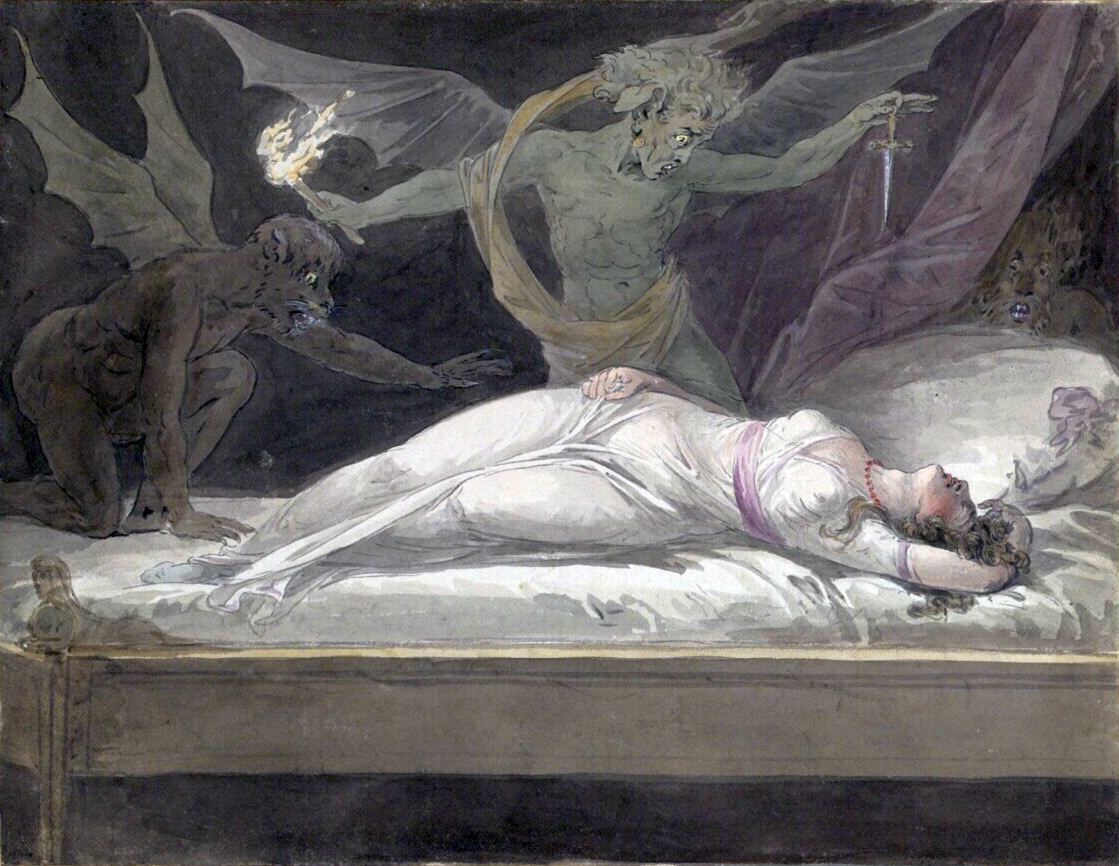
Traditional descriptions and reported effects
Classical and medieval descriptions characterize the incubus as a being that lies upon or embraces a sleeper to achieve sexual intercourse, often reported to drain the victim's strength. Some narratives attribute prolonged illness, wasting or even death to repeated encounters. Other stories claim that unions with such spirits could result in children; a famous medieval legend even links an incubus to the conception of certain legendary figures. For period accounts see medieval chronicles and compilations of demonology (religious treatises).
History and development
Belief in incubi became more systematized during the Middle Ages, when clerical writers, inquisitors and popular storytellers debated their nature and remedies. Earlier cultures had comparable motifs—nocturnal oppressors, spirit lovers or household demons—so the incubus concept reflects a long-standing human attempt to explain disturbing nighttime phenomena. For comparative overviews consult studies in folklore and comparative religion (comparative collections).
Medical and psychological interpretations
Modern scholars and clinicians interpret many incubus reports as accounts of sleep paralysis, hypnagogic or hypnopompic hallucinations, nightmares and parasomnias that can produce vivid tactile, visual and sexual sensations. Cultural framework and expectation shape how these experiences are described; in a religious milieu they were named and treated as demonic. For accessible discussions see reviews in sleep science and cultural psychiatry (medical summaries).
Cultural influence and examples
The incubus appears in literature, art and popular culture across centuries: medieval chronicles and miracle stories, early modern witchcraft trials where sexualized diabolical contacts were alleged, Romantic and Gothic fiction, and contemporary horror films and novels. Folklorists trace how the motif adapts to changing fears about sexuality, illness and the unknown. Many collections of legends and literary retellings include incubus narratives (folk archives).
Distinctions, motifs and notable facts
- Succubus vs. incubus: the succubus is the female counterpart; some traditions held they exchanged forms to mate and propagate.
- Origins: related beliefs exist across cultures—household demons, night hags and spirit-lovers—but specific incubus imagery crystallized in medieval Christian demonology (theological discussions).
- Interpretative shift: from literal belief to symbolic and medical explanations in modern scholarship (scholarly resources).
Whether treated as literal beings in older texts or as culturally shaped experiences today, incubi remain a revealing example of how societies interpret sleep, sexuality and misfortune.
Questions and answers
Q: What did people in Europe believe about Incubi in the Middle Ages?
A: People in Europe believed that Incubi were male demons in the Middle Ages.
Q: Were there also female demons, and what were they called?
A: Yes, there were also female demons called succubi.
Q: What did Incubi do to sleeping people as per the belief?
A: Incubi lay on sleeping people to have sexual intercourse with them.
Q: What was the purpose of Incubi having sexual intercourse with people?
A: Incubi had sex with people to make other incubi and drain the victim's energy to sustain themselves.
Q: Can having sex with an incubus result in a child?
A: Yes, sometimes, having sex with an incubus may result in a child, as in the legend of Merlin.
Q: According to religious tradition, what can repeated intercourse with an Incubus lead to?
A: According to religious tradition, repeated intercourse with an Incubus by either males or females may result in bad health or even death.
Q: How can an incubus be identified as per some sources?
A: Some sources say that an incubus may be identified by its unnaturally cold penis.
Related articles
Author
AlegsaOnline.com Incubus: folktale demon of nocturnal assault and its cultural meanings Leandro Alegsa
URL: https://en.alegsaonline.com/art/47027
Sources
- sacred-texts.com : "The Devil's Prime,"
- sacred-texts.com : sacred-texts.com
- sacred-texts.com : Chapter 1