
Impact crater
A bowl- to basin-shaped depression formed when a meteoroid, asteroid or comet strikes a solid planetary surface; studied for planetary history, hazards, and resources.
An impact crater is a depression produced when a natural body from space—a meteoroid, asteroid or comet—strikes the solid surface of a planet, moon or other body. Impact craters range from simple bowl shapes to vast multi-ring basins and record the mechanical and thermal effects of high-velocity collisions. They are fundamental features in planetary geology and provide direct evidence of processes that have shaped planetary surfaces throughout the Solar System.
Image gallery
10 Images



Characteristics and parts
Typical crater components include the raised rim, an ejecta blanket of material thrown outward, a crater floor, and in larger craters a central peak or peak ring produced by rebound of the crust. Surrounding damage may include fractures, melt rocks and breccias. Size, morphology, and preservation vary with target material, impact energy and the planet's gravity.
Formation and identification
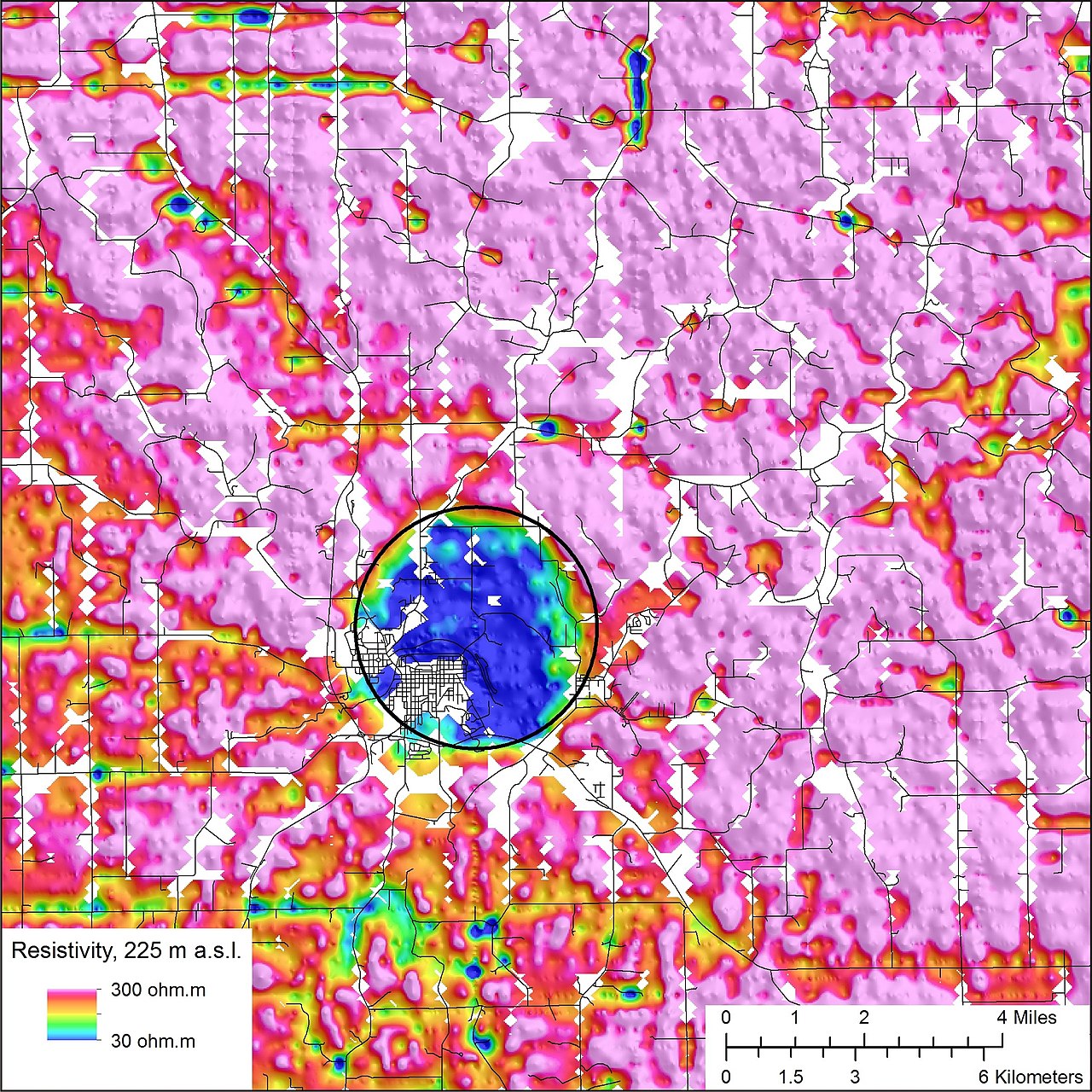
Formation occurs in milliseconds to minutes: shock waves excavate a cavity, ejecta are emplaced, and transient modification produces final morphology. Geologists recognize impact origin by diagnostic evidence such as shocked minerals (e.g., planar deformation features in quartz), shatter cones, impact melt rocks and characteristic geophysical anomalies. Remote sensing, field mapping and subsurface geophysics are commonly used to document craters.
History, distribution and study
Craters blanket many bodies in the Solar System; older surfaces show higher crater densities. On Earth, erosion, tectonics and sedimentation erase or bury many structures, making identification more difficult. Dedicated catalogs and registries compile confirmed and probable impact sites; for more information see impact crater registries and databases.
Types, examples and importance
- Simple craters: small, bowl-shaped, common on moons and planets.
- Complex craters: larger, with central peaks and terraces.
- Multi-ring basins: the largest impacts forming concentric rings.
Famous terrestrial examples include well-studied sites that illustrate scientific and societal importance: some craters are linked to mass extinctions or climate change, others expose deep crustal rocks useful for research, and several host mineral deposits of economic interest.
Beyond Earth, impact craters are used to estimate relative surface ages, to study impact mechanics, and to guide exploration for past environments that may have been favorable for life.
Related articles
Author
AlegsaOnline.com Impact crater Leandro Alegsa
URL: https://en.alegsaonline.com/art/46863
Sources
- unb.ca : Earth Impact Database
- passc.net : passc.net
- adsabs.harvard.edu : "Frequency of the formation of large terrestrial impact craters"
- bbc.co.uk : bbc.co.uk/news/world-australia-32028173
- sciencedirect.com : sciencedirect.com/science/article/pii/S0040195114006477
- lpi.usra.edu : lpi.usra.edu/publications/books/CB-954/CB-954.pdf
- meteorlab.com : meteorlab.com
- web.cocc.edu : "Shatter cones: branched, rapid fractures formed by shock impact"
- doi.org : 10.1029/2004JB003016
- web.eps.utk.edu : "Stalking the wily shatter cone: a critical guide for impact-crater hunters"