
Freezing rain: formation, hazards, and differences from sleet
Freezing rain occurs when liquid precipitation freezes on contact with surfaces below freezing, producing hazardous ice coatings. This article explains how it forms, its dangers, detection, and safety measures.
Overview
Freezing rain is liquid precipitation that becomes supercooled while falling and freezes upon contact with surfaces that are at or below 0 °C (32 °F). The result is a smooth, transparent sheet of ice commonly called glaze. Unlike ordinary snow or sleet, freezing rain arrives at the surface as liquid and solidifies only after impact, which makes it especially dangerous for travel, infrastructure, and vegetation.
Image gallery
10 Images



How it forms
Freezing rain develops in a layered atmospheric profile. Snow forms aloft and falls into a warm layer where it melts to raindrops. If those drops then pass through a shallow layer of subfreezing air near the ground, they can become supercooled — remaining liquid below freezing — and will freeze on contact with cold surfaces. The depth and temperature of the warm and cold layers determine whether precipitation reaches the ground as freezing rain, sleet, or freezing drizzle.
Distinguishing precipitation types
It is important to distinguish freezing rain from related phenomena: sleet (ice pellets) falls as frozen particles that bounce on impact, while freezing drizzle/rain consists of very small supercooled drops that freeze on contact. Hail and graupel are produced by different convective processes and are usually associated with thunderstorms. Correct identification matters for forecasting and public safety.
Effects and hazards
Even a thin coating of ice can create slippery roads and walkways, reduce traction for vehicles, and cause widespread power outages when ice accumulates on power lines and tree branches. Heavy glaze can snap branches and damage structures. Impacts extend to aviation, emergency services, and commerce because freezing rain is difficult to treat with common road-salt methods until surfaces thaw.
- Slippery driving and walking surfaces
- Tree and structural damage from ice load
- Power line and communication outages
- Disruption of air, road, and rail transportation
Forecasting, detection, and preparedness
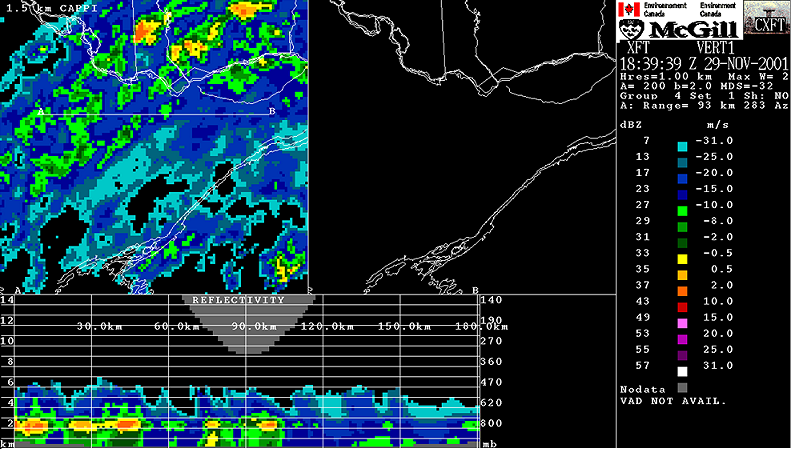
Forecasters use atmospheric soundings, temperature profiles, and radar to identify the layered thermal structure that produces freezing rain. When warnings are issued, communities and individuals can reduce risk by delaying travel, preparing emergency kits, trimming vulnerable trees, and allowing utility companies time for precautionary measures. For further meteorological background and safety guidance see relevant meteorological resources.
Notable occurrences and final remarks
Large-scale freezing rain events, often called ice storms, have caused significant social and economic harm in many regions. Their severity depends on the duration and intensity of precipitation and how cold the affected surfaces are. Because freezing rain can form in narrow geographic bands, localized conditions may vary substantially over short distances, which complicates response and travel decisions.
Related articles
Author
AlegsaOnline.com Freezing rain: formation, hazards, and differences from sleet Leandro Alegsa
URL: https://en.alegsaonline.com/art/36541
Sources
- weather.gov : "Freezing Rain"