
Appeasement: policy of concession to avoid conflict
Appeasement is a diplomatic strategy of conceding to a potentially aggressive power to prevent war. The term is most associated with British and French policy toward Germany and Italy in the 1930s.
Overview
Appeasement describes a diplomatic approach that seeks to avoid armed conflict by meeting some of an adversary's demands. As a general practice it can take many forms — from negotiated concessions to formal treaties — and is often driven by the desire to delay, limit, or prevent violent confrontation.
Image gallery
8 Images




Historical context (1930s Europe)
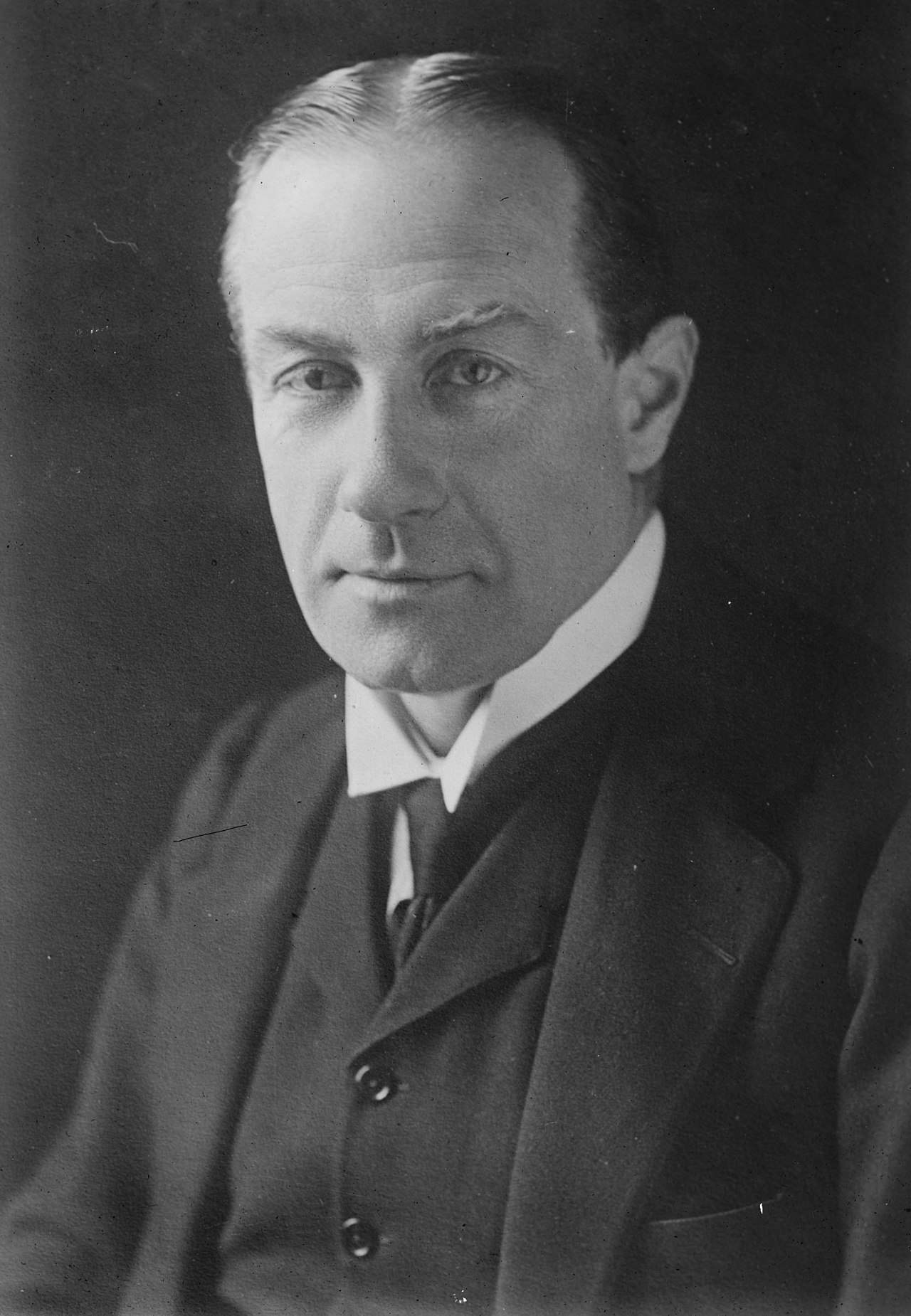
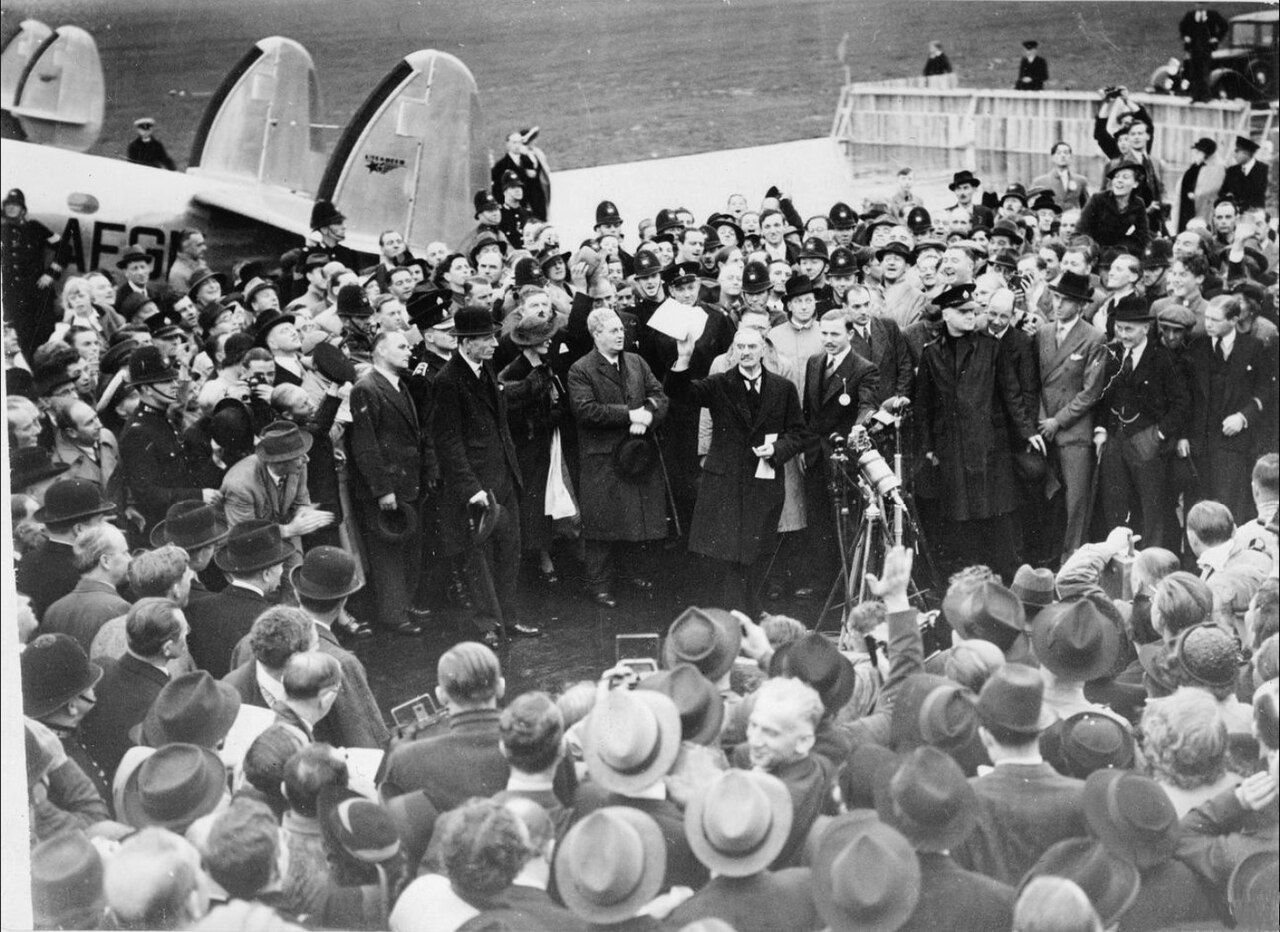
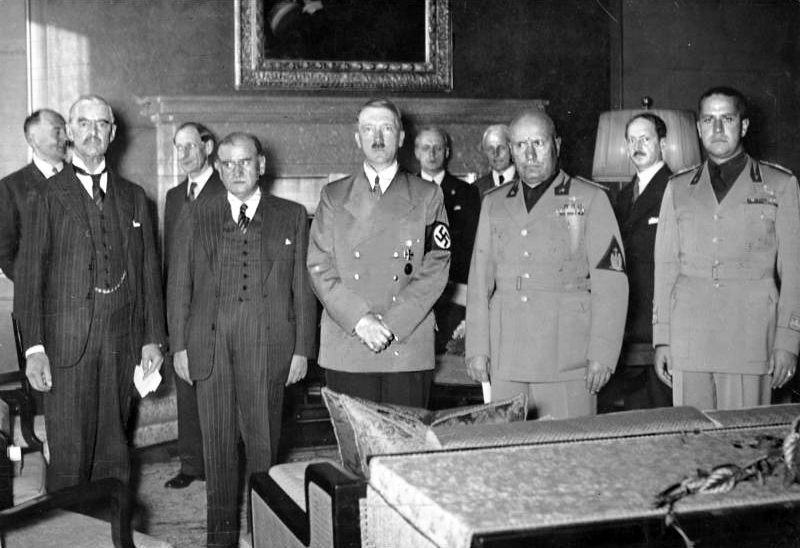
In modern usage the word is most commonly linked to the policy followed by British governments in the mid to late 1930s toward Nazi Germany and toward Fascist Italy. Leading British figures associated with that era include Ramsay MacDonald, Stanley Baldwin and Neville Chamberlain. French governments, notably under Édouard Daladier, also supported conciliatory measures. The period often cited runs roughly from the mid-1930s until the outbreak of the Second World War in 1939.
Causes and characteristics
Appeasement typically rests on several considerations: public aversion to another large war, limited economic and military capacity, political calculations at home, and belief that some demands are limited or reasonable. In practice it can include diplomatic recognition, territorial concessions, or refraining from enforcement of treaties.
- Domestic pressure: pacifist sentiment and war-weariness.
- Practical limits: military unpreparedness or economic constraints.
- Perception: underestimating an adversary's ambitions.
Consequences and legacy
Assessments of appeasement differ. Contemporary critics argued it encouraged further aggression; others contended it bought time for rearmament or avoided immediate catastrophe. After 1939 the term became largely pejorative in popular and political discourse, a cautionary label for policies judged too conciliatory. The debate has continued among historians and policymakers about whether alternative strategies might have produced a better result.
Comparisons and modern relevance
Appeasement is distinct from compromise or pragmatic diplomacy in that it carries an implication of excessive concession to a threatening power. The concept is often invoked today as a political metaphor or warning when states consider concessions to revisionist or authoritarian actors. Scholars and practitioners use the historical episode to discuss deterrence, bargaining, and the limits of accommodation between states.
For further reading on the individuals and countries involved, see links to contemporary biographies and national histories: Ramsay MacDonald, Stanley Baldwin, Neville Chamberlain, Nazi Germany, Fascist Italy, France and Édouard Daladier.
Related articles
Author
AlegsaOnline.com Appeasement: policy of concession to avoid conflict Leandro Alegsa
URL: https://en.alegsaonline.com/art/4958
Sources
- history.co.uk : Appeasement – World War 2 on History · web.archive.org