
IBM (International Business Machines): history, products, and influence
Overview of IBM: origins, major products and services, technological contributions, and its role in computing and business over more than a century.
International Business Machines (IBM) is a long-standing multinational technology company and services provider founded in the United States United States. Over the course of more than a century IBM has moved from producing electromechanical machines to designing enterprise software, managing IT infrastructure, and developing advanced research in fields such as artificial intelligence, cloud computing and hardware for demanding workloads in the broader information technology sector.
Image gallery
10 Images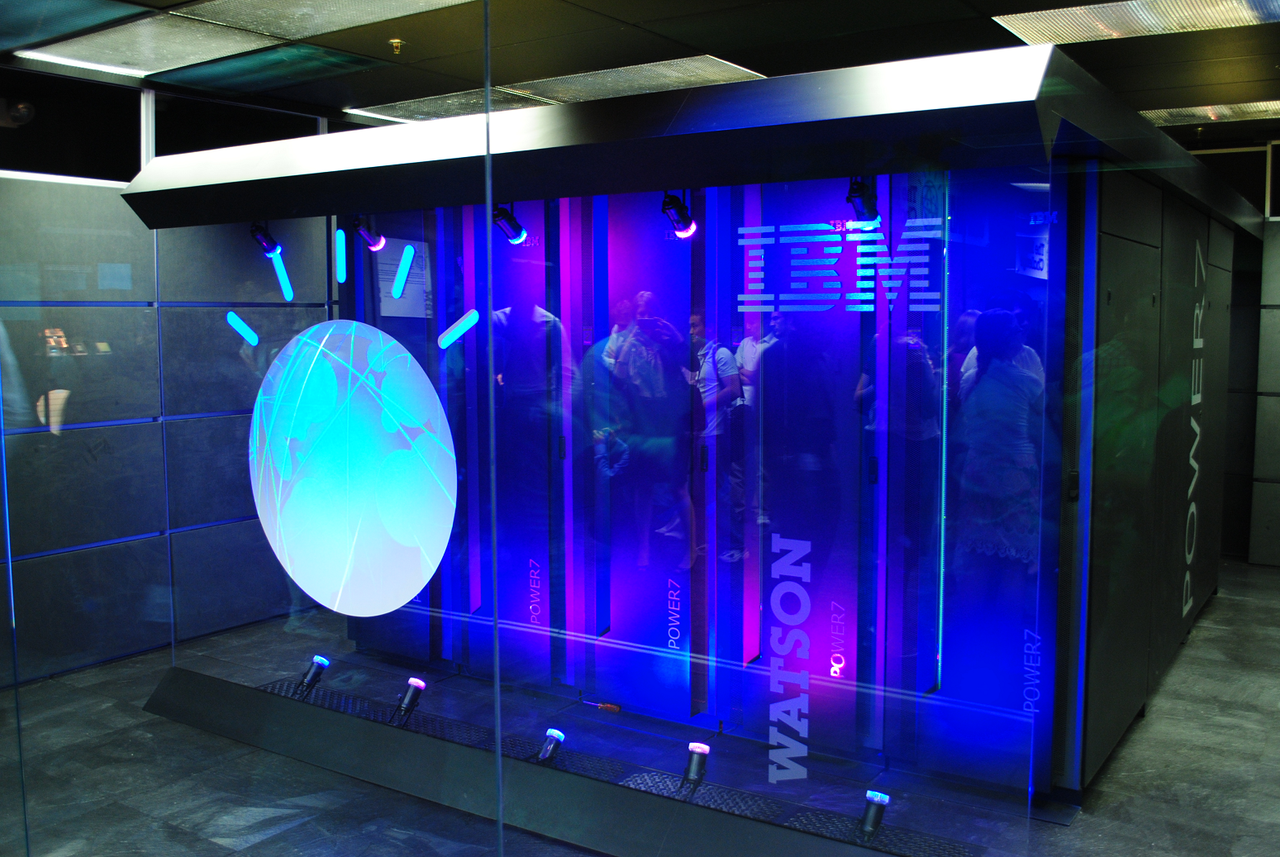





Origins and historical development
The firm traces its roots to 1911 when several manufacturers joined to form the Computing-Tabulating-Recording Company (CTR). Early products included punched-card tabulators and mechanical calculators used by businesses and government; the company also made typewriters and similar office equipment, a legacy referenced by its links to typewriters. In 1924 CTR adopted the name International Business Machines (IBM) to reflect an expanding international footprint.
During the 20th century IBM evolved with major technological shifts. Its tabulating machines were used in large-scale data processing tasks for national governments, including applications tied to the U.S. government and social programs such as the administration of the Social Security system. Like many industrial firms, IBM contributed to wartime production during World War II while simultaneously growing research and product lines that would shape computing in the decades ahead.
Products, services, and markets
IBM's offerings have shifted repeatedly with market demand. Key areas across its history include:
- Electromechanical tabulators, punch-card systems and office machines in the early 20th century.
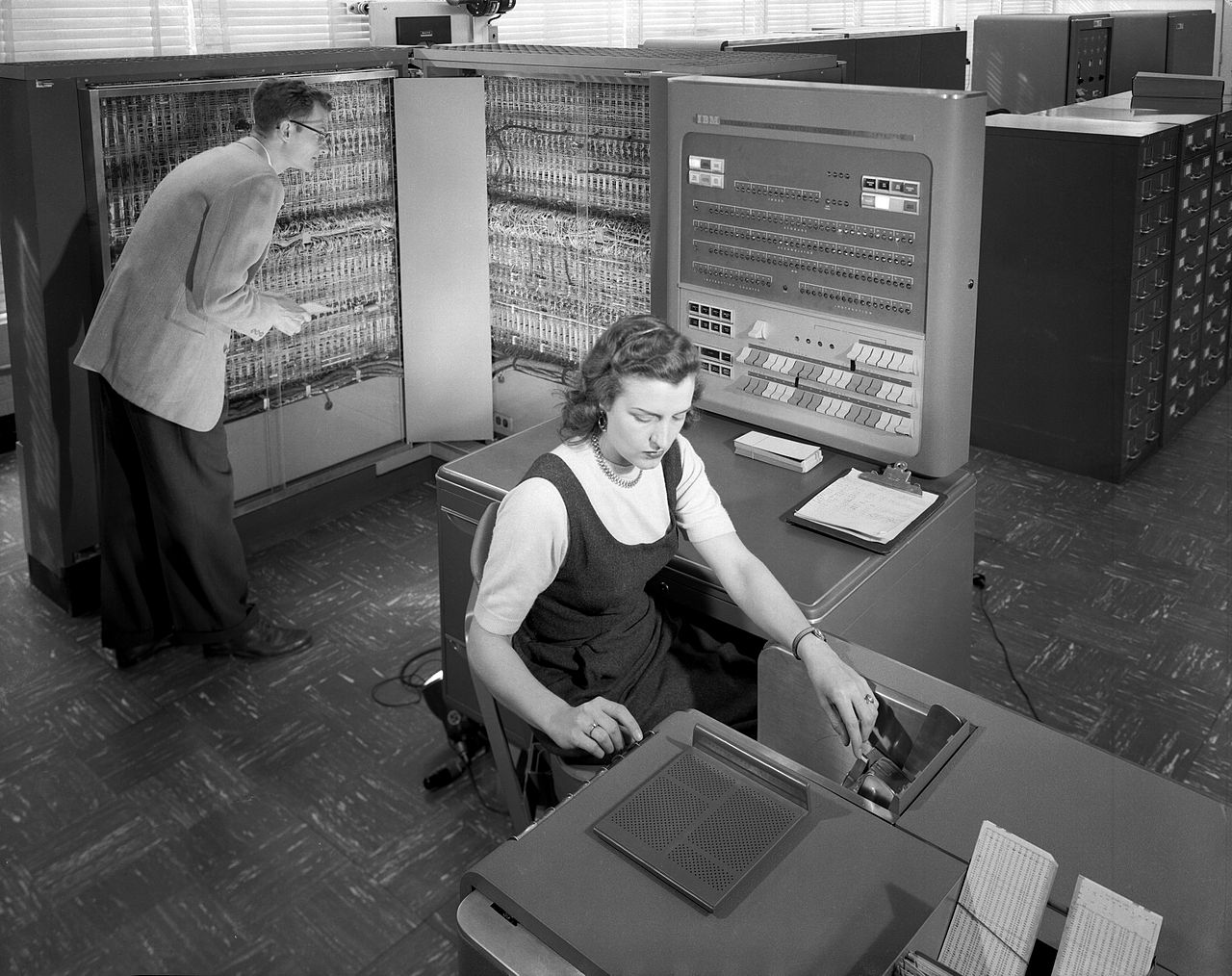
- Large-scale mainframe systems through the mid-to-late 20th century; IBM was a dominant force in the mainframe computer market during the 1960s and 1970s.
- Personal computers beginning in the 1980s; IBM produced PCs until it sold that manufacturing business to Lenovo in 2005.
- Enterprise software, consulting, cloud and managed services, and specialized hardware such as servers and high-performance systems often described as supercomputers.
Research, innovation and notable contributions
IBM has been a major industrial research organization with a long record of patents and breakthroughs. Projects and technologies associated with IBM research include early work on punched-card data processing, mainframe operating systems, relational database concepts, and later advances in computing architectures and AI. IBM systems and technologies have supported scientific and industrial programs, and components of IBM technology played roles in projects tied to space exploration and other large-scale scientific efforts.
Beyond hardware and software, IBM has influenced computing through standards, professional services, and the commercialization of research. Its research labs and patents have set industry directions, while its consulting arm has guided enterprise IT adoption and organizational change.
Impact and contemporary focus
Today IBM concentrates on hybrid cloud platforms, artificial intelligence tools, enterprise software and services, and specialized hardware for demanding workloads. Although its role in personal computing has receded, IBM remains a prominent vendor to governments, corporations, and research institutions. The company's long history includes periods of dominance, important innovations, commercial transitions, and controversies tied to technology use in public policy and business — a legacy that continues to shape modern computing and information management.
For further reading about IBM's products, history, and research contributions see corporate histories and technology retrospectives via the company and independent technology sources. Technology profiles, industry analyses, and archived materials provide deeper context on many topics mentioned above.
Related articles
Author
AlegsaOnline.com IBM (International Business Machines): history, products, and influence Leandro Alegsa
URL: https://en.alegsaonline.com/art/46375
Sources
- fortune.com : "IBM Is Blowing Up Its Annual Performance Review"
- google.com : "IBM Corporation Financials Statements"
- ibm.com : "2016 IBM Annual Report"