
Iberian lynx (Lynx pardinus)
A small wild cat endemic to the Iberian Peninsula, the Iberian lynx is a rabbit-specialist felid that was once critically endangered and has been the focus of intensive conservation and reintroduction efforts.
Overview
The Iberian lynx (Lynx pardinus) is a medium-sized wild cat native to the Iberian Peninsula. It is closely related to the other members of the genus Lynx but shows distinct anatomy, behaviour and ecological specialization. Historically widespread across parts of Spain and Portugal, it underwent a severe decline in the late 20th century and became emblematic of European conservation efforts. Its diet, habitat needs and sensitivity to human disturbance make it one of the most specialized and, at one time, most threatened felids in the world.
Image gallery
10 Images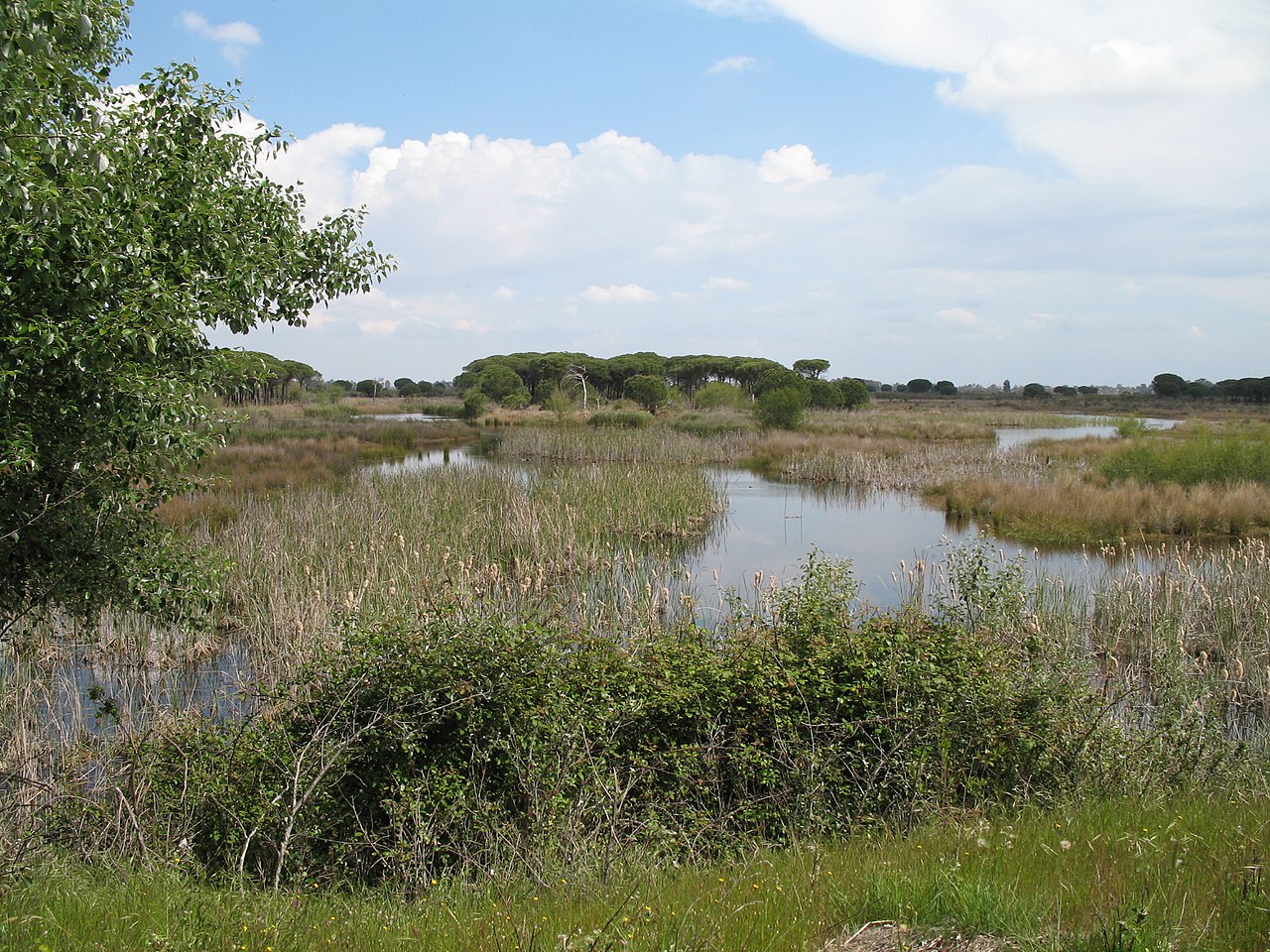




Physical characteristics and behaviour
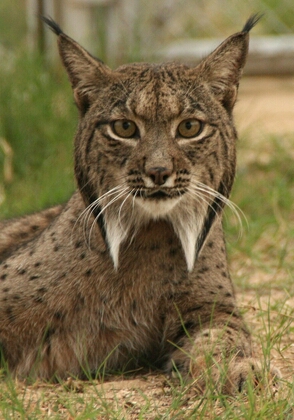
The Iberian lynx shares several familiar lynx traits: tufted ears, a short black-tipped tail and a ruff of fur framing the face. Compared with the larger Eurasian lynx it tends to be more gracile with a rufous, heavily spotted coat that helps it blend into scrubland and Mediterranean forests. It is largely solitary outside the breeding season and defends territories that provide sufficient prey and shelter. Hunting is predominantly diurnal to crepuscular, and the species is an acute ambush predator adapted to stalking in dense vegetation.
Diet and ecological role
Rabbits form the core of the Iberian lynx diet and are key to its survival. Because of this strong prey dependence, lynx distribution closely tracks rabbit populations and habitat that supports them. The lynx functions as a top predator in its ecosystem, helping regulate rabbit numbers and thereby contributing indirectly to vegetation dynamics and balance among other species. Fluctuations or declines in rabbit populations—whether from habitat change, disease or hunting—have direct consequences for lynx survival.
Threats and conservation response
Major threats to the Iberian lynx have included habitat loss and fragmentation, road mortality, reduced rabbit abundance (including losses caused by disease), and illegal killing. In response, coordinated conservation actions have combined habitat restoration, legal protection, captive breeding, veterinary care for released individuals and managed reintroductions. Changing land use to favour rabbits—by restoring scrubland and traditional mosaic landscapes—has been a deliberate part of recovery work because it simultaneously benefits the lynx and other endangered species, including large raptors.
Conservation measures and results
- Habitat management: restoration of Mediterranean scrub and connectivity between fragments to support both lynx movements and rabbit populations.
- Captive breeding and reintroduction: managed breeding programmes and releases into secure areas to rebuild wild populations.
- Monitoring and research: tracking, health checks and ecological studies to refine recovery strategies.
- Legal protection and outreach: measures to reduce road collisions, control persecution and involve local communities.
These measures have led to documented local recoveries and the establishment of new populations in parts of Spain and Portugal, showing that integrated conservation can reverse declines when sustained over many years. International attention and funding have supported such programmes and encouraged knowledge exchange among conservationists; more information on coordinated efforts is available through various conservation programmes.
Taxonomy, history and notable facts
For much of the 20th century the Iberian lynx was treated as a subspecies of the Eurasian lynx, but genetic and morphological studies in recent decades supported recognition of a distinct species by many authorities. Its evolutionary history reflects long-term isolation on the Iberian Peninsula and adaptation to Mediterranean habitats. The species is also notable for how narrowly specialized it became: its dependence on rabbits made it particularly vulnerable to human-driven environmental change. The lynx's recovery efforts are widely cited as a conservation success story that underlines the importance of habitat restoration, species-specific management and sustained international cooperation.
Related articles
Author
AlegsaOnline.com Iberian lynx (Lynx pardinus) Leandro Alegsa
URL: https://en.alegsaonline.com/art/46367
Sources
- fossilworks.org : "Fossilworks: Fonelas P-1"
- iucnredlist.org : "Lynx pardinus"
- doi.org : 10.2305/IUCN.UK.2015-2.RLTS.T12520A50655794.en
- iberianature.com : "LynxBrief"
- guardian.co.uk : "Captured cubs hold future of Europe's tiger"
- news.bbc.co.uk : "Hopes raised by Spain lynx births"
- huffingtonpost.com : "Endangered Iberian lynx cubs born in Spain"
- theportugalnews.com : "Silves-born Iberian lynx released in Spain"
- expresso.sapo.pt : "Quinze crias de lince ibérico nascem em Silves"
- rtve.es : "Fallece 'Geo', uno de los cachorros de lince ibérico nacido en cautividad este año"
- europapress.es : "Nacen 59 ejemplares de lince esta temporada en el Programa de Cría en Cautividad"
- theportugalnews.com : "Success in Silves as seven lynx cubs are born"
- 20minutos.es : "El programa de cría en cautividad del lince ibérico acaba la temporada con 44 cachorros"
- phys.org : "For the first time Iberian lynx embryos are collected and preserved"