
Hypochlorite
Hypochlorite (ClO−) is the conjugate base of hypochlorous acid: a reactive, oxidizing anion found in bleaches and disinfectants; unstable in acid and used widely for bleaching, sanitation and water treatment.
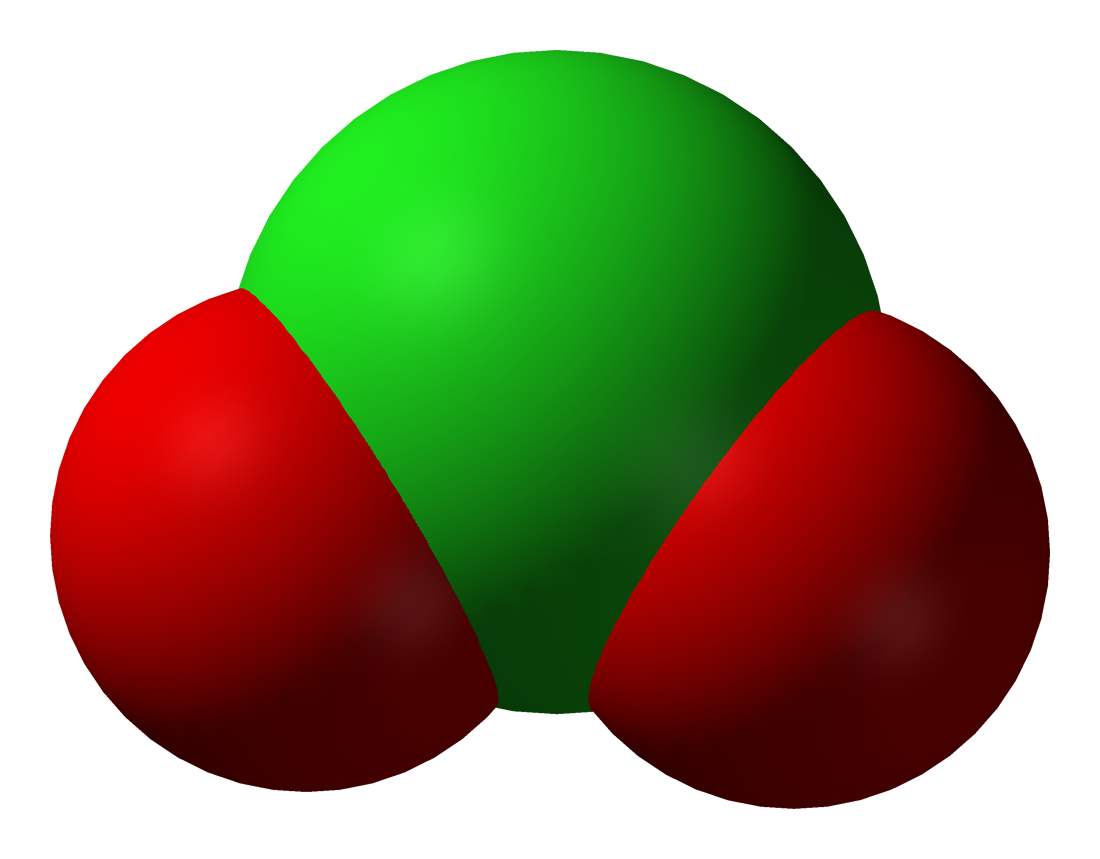
Overview. Hypochlorite is the anion with formula ClO−, commonly described as the hypochlorite ion. It is the conjugate base of hypochlorous acid and contains chlorine in the +1 oxidation state (Cl(+1)). As an anion it forms salts and solutions that are widely used for bleaching, disinfection and chemical oxidation.
Image gallery
5 Images



Chemical properties
Hypochlorite is chemically reactive and relatively unstable compared with chloride. It is a strong oxidizing agent and participates readily in redox reactions. In water an equilibrium exists between hypochlorite (OCl−) and hypochlorous acid (HOCl); the proportion of each depends on pH, and HOCl is the more effective antimicrobial species. When hypochlorite encounters acids it liberates chlorine gas; similarly it can form chlorinated or nitrogen-containing byproducts when it reacts with organic matter or ammonia.
Common forms and preparation
The best-known hypochlorite product is aqueous sodium hypochlorite, the active ingredient in household bleach. Solid hypochlorites include calcium hypochlorite and potassium hypochlorite; these are examples of hypochlorite salts. Industrially, hypochlorite solutions are produced by reacting chlorine with alkali or by other controlled chlorination methods, and many commercial formulations are stabilized to slow decomposition.
Uses and examples
- Disinfection of drinking water, swimming pools and surfaces.
- Textile and paper bleaching in manufacturing.
- Household cleaning and odor control (diluted sodium hypochlorite).
- Laboratory and industrial oxidations when a convenient oxidant is required.
Because hypochlorite delivers available chlorine and oxidizing power, it has been central to public health and sanitation practices for well over a century.
Safety, stability and environmental notes
Hypochlorite solutions are unstable to heat, light and many contaminants and slowly decompose to chloride and oxygen. Contact with acids causes release of chlorine gas, which is toxic; mixing hypochlorite with ammonia or certain organic wastes can produce chloramines and other hazardous compounds. Proper storage, dilution, and handling are important: use cool, opaque containers, avoid contact with acids, and ventilate areas where it is applied. In water treatment, formation of chlorinated byproducts is a regulatory and environmental concern.
Distinctions and notable facts. The hypochlorite ion differs from chloride (Cl−) by its oxidative character and from hypochlorous acid by its ionic form and pH-dependent activity. Solid hypochlorites (for example, calcium compounds) are often sold as bleaching powders and are handled differently from dilute household sodium hypochlorite solutions. For further technical details consult specialized sources on water treatment and industrial chemistry (definitions, redox, oxidation).
Related articles
Author
AlegsaOnline.com Hypochlorite Leandro Alegsa
URL: https://en.alegsaonline.com/art/46194