
Hyperthermophile: organisms adapted to very high temperatures
Hyperthermophiles are microbes that grow optimally at very high temperatures. This article explains their traits, habitats, evolutionary significance, biotechnological uses, and notable examples.
Overview
Hyperthermophiles are microorganisms that prefer and often require extremely high temperatures for growth, generally much hotter than ordinary life. They are a subset of extremophiles and are distinguished from thermophiles by their higher temperature optima. Most hyperthermophiles thrive at temperatures above about 60–80°C and some strains tolerate temperatures at or above the boiling point of water under natural pressure conditions. These organisms include many members of the archaeal domain and a smaller number of bacteria. For a general introduction to extremophile organisms see related resources.
Image gallery
2 Images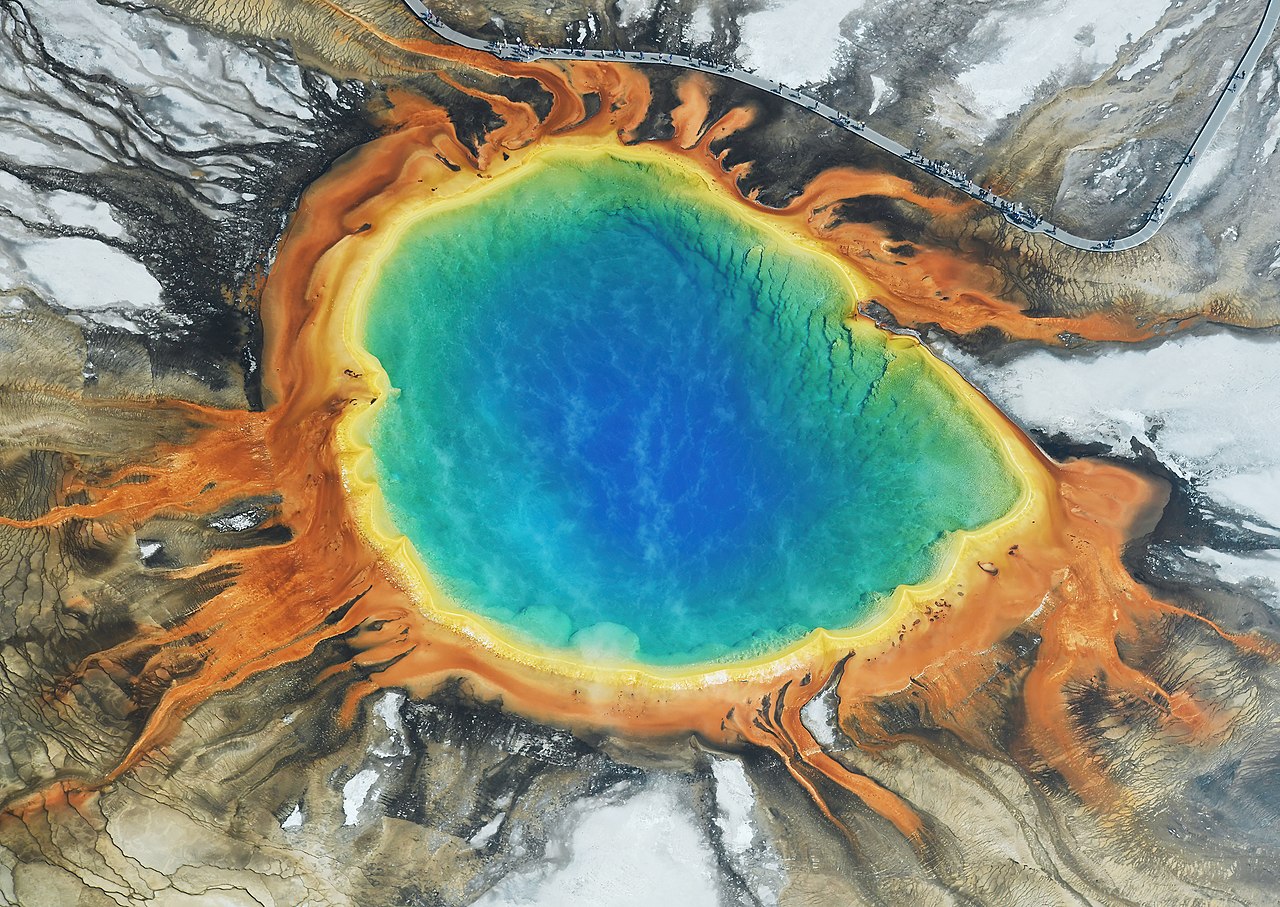
Characteristics and adaptations
Hyperthermophiles possess molecular and cellular features that stabilize proteins, membranes and genomes at high temperature. Common adaptations include tightly folded proteins with extra ionic bonds and hydrophobic cores, specialized chaperone proteins and heat-stable enzymes, unique membrane lipids (ether-linked isoprenoid chains or lipid monolayers in archaea) and DNA-stabilizing mechanisms. A distinctive enzyme, reverse gyrase, is widely associated with hyperthermophilic species and is thought to help maintain DNA integrity at elevated temperatures. These features make many hyperthermophile proteins unusually resistant to denaturation, a property exploited in biotechnology.
Habitats and notable examples
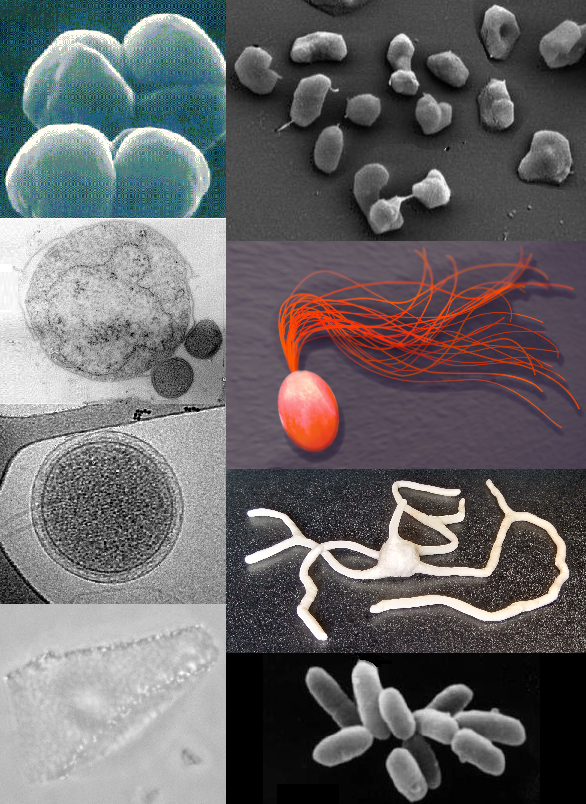
Natural environments that host hyperthermophiles include deep-sea hydrothermal vents, terrestrial hot springs, geysers, fumaroles and underground geothermal systems. Some species live in acidic or high-pressure settings in combination with high temperature. Representative genera include Pyrococcus, Thermococcus and Methanopyrus among archaea, and a few thermophilic bacteria like Aquifex and Thermotoga that approach hyperthermal ranges. For more on temperature scales and measurement in research settings see temperature references and for domain-level context see archaea overview.
Importance, applications and significance
Hyperthermophiles are important in several areas. Their enzymes remain active at temperatures that denature most proteins, so they are valuable in industrial processes that require heat-stable catalysts, and in molecular biology (thermostable DNA polymerases and other enzymes). Research on hyperthermophiles informs theories about the origin and early evolution of life, since early Earth had hot environments where such organisms might have thrived. Studies also guide astrobiology by defining possible life-supporting conditions on other worlds. Useful background material and databases can be found via research portals.
Distinguishing features and scientific history
The term hyperthermophile is operational: classification depends on the temperature range at which an organism grows best. Historically, discoveries of deep-sea vents in the 1970s and subsequent isolation of heat-loving microbes in the 1980s expanded knowledge of life at high temperature. Continued exploration and cultivation have revealed species adapted to combinations of extremes (for example, hot and acidic), and ongoing work refines where the limits of life lie. For technical literature and experimental methods see further reading.
Summary
- Hyperthermophiles are specialized microbes that grow best at very high temperatures and are mainly archaeal.
- They employ protein, membrane and DNA adaptations to remain stable in heat.
- Natural habitats include hydrothermal vents, hot springs and geothermal subsurface niches.
- Their heat-stable enzymes and biological insights have practical and scientific value.
Related articles
Author
AlegsaOnline.com Hyperthermophile: organisms adapted to very high temperatures Leandro Alegsa
URL: https://en.alegsaonline.com/art/46182
Sources
- simple.wiktionary.org : extreme