
Extremophile: organisms adapted to thrive in extreme environments
Extremophiles are organisms—mostly microbes—that grow best in conditions hostile to most life. They inform origin-of-life research, biotechnology, and the search for extraterrestrial life.
An extremophile is an organism adapted to live and reproduce in conditions that would damage or kill most other life. The term is most commonly applied to single-celled life forms but can include some multicellular organisms that tolerate extreme conditions. In this context, "organism" is used in its broad biological sense as a living thing, and the environments that support extremophiles may be considered harmful to typical species.
Interest in extremophiles accelerated in the late 20th century when modern techniques allowed biologists to identify and culture previously unknown organisms. Many of these discoveries showed that diverse microbes occupy niches that are extremely hot, cold, acidic, alkaline, salty, dry, or under very high pressure. Some organisms also tolerate intense radiation or chemical toxicity. Extremophiles are often chemically and structurally specialized: their enzymes, membranes and genetic systems have adaptations that maintain function under stress.
Image gallery
5 Images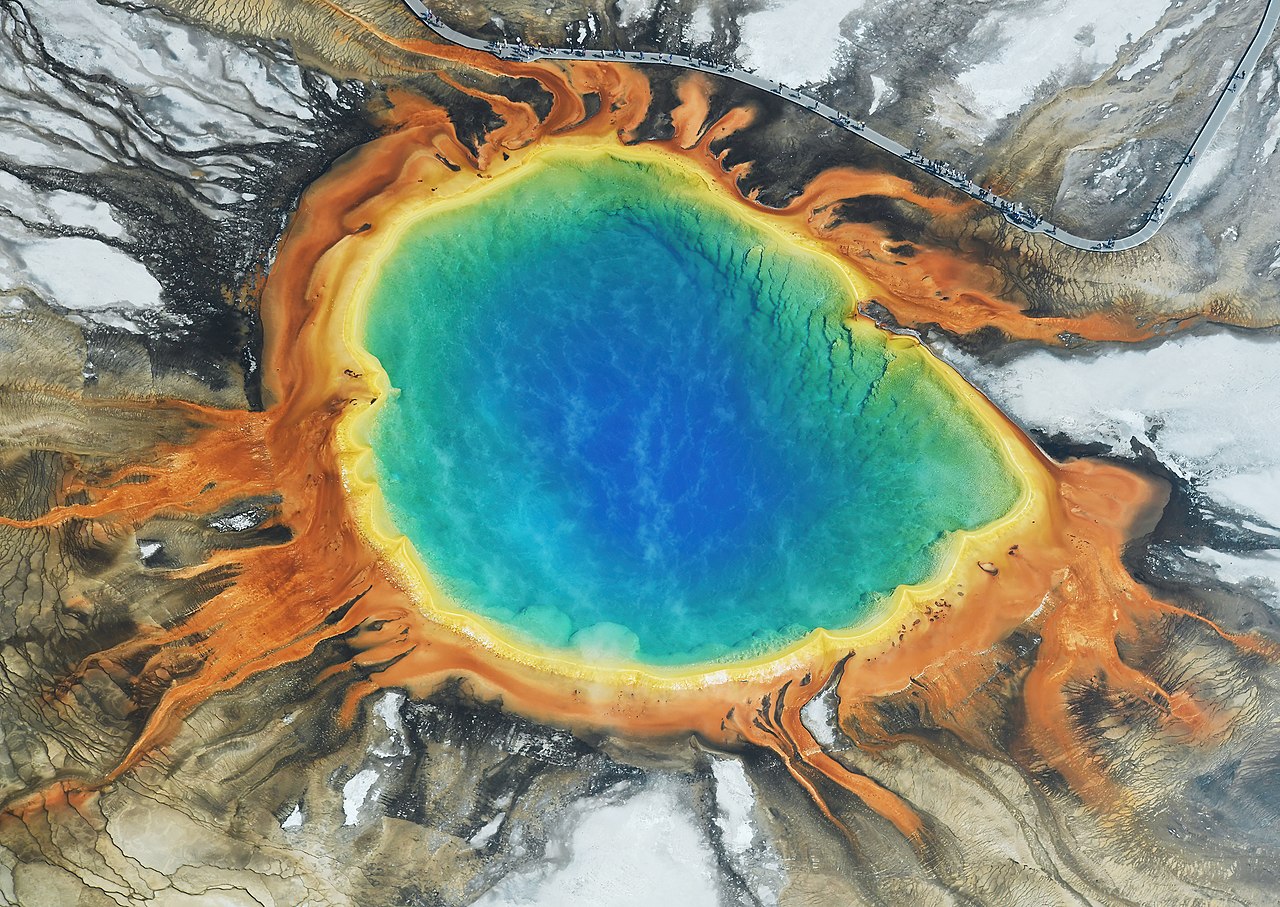


Types and examples
- Thermophiles and hyperthermophiles: thrive at high temperatures found in hot springs and geothermal vents.
- Psychrophiles: prefer cold habitats such as polar ice and deep ocean waters.
- Halophiles: adapted to very salty environments like salt lakes and evaporation ponds.
- Acidophiles and alkaliphiles: tolerate low or high pH respectively.
- Piezophiles (barophiles): live under high hydrostatic pressure in the deep ocean.
- Xerophiles: survive extreme dryness; radiotolerant species withstand high levels of ionizing radiation.
Many extremophiles belong to the domains Bacteria and Archaea, though some eukaryotes (fungi, protists and a few small animals) show remarkable tolerance. For example, organisms around deep-sea hydrothermal vents form unique communities that rely on chemosynthesis rather than sunlight for energy.
Origins, evolution and scientific importance
Scientists studying the origin of life note that early Earth featured widespread hot, chemically active environments, and some theories propose that life may have begun in high-temperature settings such as vents. The Archaean (Archaean) eon — roughly 3.9 billion years ago and later — included conditions where extremophile-like metabolisms might have been advantageous. Whether life began there is debated, but extremophiles illustrate how evolution can produce biochemical solutions to physical extremes.
Uses and broader relevance
- Biotechnology: heat-stable enzymes from thermophiles revolutionized techniques such as PCR and are used in industrial processes.
- Bioremediation: some extremophiles break down pollutants under harsh chemical conditions where ordinary microbes fail.
- Astrobiology: extremophiles expand ideas about where life might exist beyond Earth, influencing missions that search for life on Mars and icy moons.
Distinct terms clarify scope: "extremophile" implies an organism that grows best under extreme conditions, while "extremotolerant" describes species that survive but do not prefer such extremes. Because many extremophiles are microbes with unique metabolisms, they continue to reshape our understanding of the limits of life and inform practical applications across science and industry.
For further reading and resources, see introductory materials and research summaries available through scientific outreach pages and textbooks: basic definitions, historical overviews by researchers, and specialized reviews on hydrothermal systems and microbial diversity (vents, hot springs, deep ocean studies).
Questions and answers
Q: What is an extremophile?
A: An extremophile is a living organism that thrives in extreme environments that are harmful to most other life on Earth.
Q: How do extremophiles differ from other organisms?
A: Extremophiles differ from other organisms that live in normal places, called mesophiles or neutrophiles.
Q: When did biologists discover that microbes can survive in extreme environments?
A: Biologists discovered that microbes can survive in extreme environments in the 1980s and 1990s.
Q: What are some examples of extreme environments in which microbes can survive?
A: Extreme environments in which microbes can survive may be extremely hot, or cold, or dry, or under huge pressure, or very salty or acidic.
Q: Why can't complex organisms, such as animals or plants, live in extreme environments?
A: Complex organisms, such as animals or plants, cannot live in extreme environments because they are not adapted to survive in those conditions.
Q: Where do some scientists suggest life may have begun on Earth?
A: Some scientists suggest that life may have begun on Earth in hydrothermal vents far below the ocean surface.
Q: When were environments such as hot oceans, hot springs and deep ocean hydrothermal vents common?
A: Environments such as hot oceans, hot springs and deep ocean hydrothermal vents would have been common during the Archaean eon, about 3.9 billion years ago.
Related articles
Author
AlegsaOnline.com Extremophile: organisms adapted to thrive in extreme environments Leandro Alegsa
URL: https://en.alegsaonline.com/art/33054
Sources
- eoearth.org : eoearth.org/view/article/160977/
- marsrovers.jpl.nasa.gov : "Mars exploration - Press kit"