
Hyperopia (Farsightedness): causes, symptoms, diagnosis and treatment
Hyperopia, or farsightedness, is a common refractive error where distant objects are clearer than near ones. This article explains causes, symptoms, examination, correction options and important distinctions.
Overview
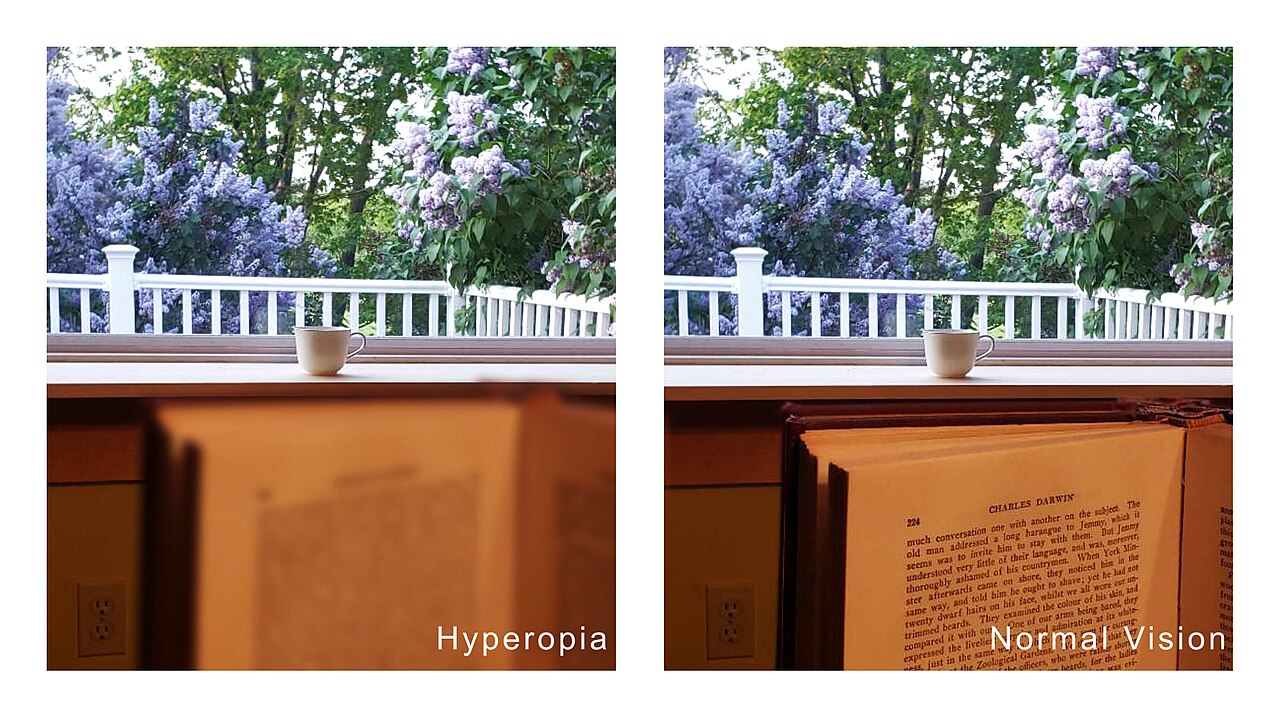
Hyperopia, commonly called farsightedness or hypermetropia, is a refractive condition of the eye in which light focuses behind the retina when the eye is at rest. People with hyperopia typically see distant objects more clearly than near ones, because the optical power of the cornea and lens is insufficient for the eye's length. The eye can compensate to some degree by changing the lens shape — a process called accommodation — but sustained effort may cause discomfort.
Image gallery
3 Images
Causes and anatomical basis
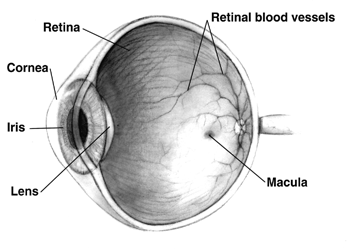
Hyperopia arises when the eyeball is too short from front to back, the cornea is too flat, or the eye's lens has insufficient focusing power. These structural mismatches make the focal point fall behind the retinal surface. In children, mild hyperopia is often present at birth and can diminish as the eye grows (emmetropization). In adults, the condition may persist unchanged or be influenced by other changes in the eye over time.
Signs, symptoms and diagnosis
Common symptoms include difficulty reading small print, eyestrain, headache after close work, blurry near vision and sometimes intermittent squinting. Because young people can accommodate strongly, low levels of hyperopia can be asymptomatic for years. In children, uncorrected hyperopia can contribute to amblyopia (lazy eye) or strabismus (eye misalignment), so early detection matters.
- Symptoms: near blur, eye fatigue, headaches, difficulty concentrating on close tasks.
- Examination: visual acuity testing, refraction, and often cycloplegic refraction in children to measure true refractive error without accommodation.
Treatment and management
Corrective methods aim to adjust the eye's focusing so images form on the retina. Standard treatments include spectacles with convex (plus) lenses and contact lenses designed to add focusing power for near tasks. For information on how the eye focuses light and accommodation, see vision and focusing.
- Glasses: simple, safe and adjustable — see glasses.
- Contact lenses: offer wider fields of view and are an alternative to spectacles — see contact lenses.
- Surgery: refractive procedures such as laser keratorefractive surgery or lens-based replacements can reduce dependence on corrective lenses — see refractive surgery options.
History, prevalence and notable distinctions
Hyperopia has been recognized for centuries and described in classic optics texts. It is one of the main refractive errors alongside myopia (nearsightedness) and astigmatism. Compared with myopia, hyperopia often produces fewer symptoms in youth because accommodation masks the refractive error; however, that same ability declines with age and when combined with presbyopia can make near work more challenging. Routine eye examinations detect hyperopia early and allow timely correction to prevent complications, especially in children.
When to seek care
Adults with persistent near-vision problems or headaches related to reading should consult an eye care professional for refraction and prescription. Children with poor school performance, frequent rubbing of the eyes, or an inward/outward turning eye should be examined promptly to rule out significant hyperopia and associated conditions.
Related articles
Author
AlegsaOnline.com Hyperopia (Farsightedness): causes, symptoms, diagnosis and treatment Leandro Alegsa
URL: https://en.alegsaonline.com/art/46174