
Hyperthermia: causes, symptoms, treatment, and prevention
Hyperthermia is abnormally high body temperature from failed heat regulation. This article explains types, signs, medical response, risk groups, prevention, and distinctions from fever or therapeutic heat.
Overview
Hyperthermia refers to an abnormally high body temperature that results when the body gains or retains more heat than it can dissipate. It differs from fever: in fever the body’s thermostat (hypothalamic set point) is raised in a controlled way, while in hyperthermia the set point is normal but heat regulation fails. Clinically, elevations above about 38.3 °C (101 °F) are often used as a working threshold for concern because they can indicate potentially harmful heat strain. For a brief primer on definitions and clinical thresholds see overview.
Image gallery
4 Images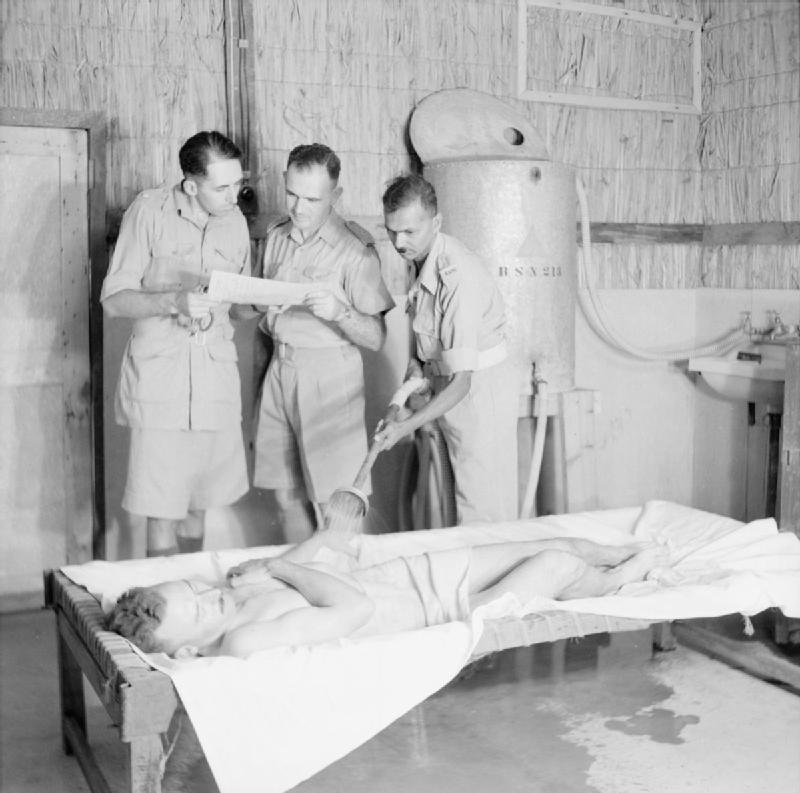
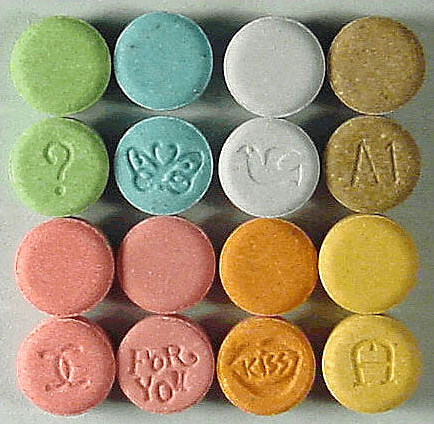


Causes and risk factors
Hyperthermia can be caused by prolonged exposure to high environmental temperatures, intense physical exertion (exertional heat illness), impaired sweating, certain medications and recreational drugs that interfere with heat loss or increase metabolic heat production, and medical conditions that affect thermoregulation. Risk is greater for older adults, infants, people with chronic illness, athletes, and outdoor workers. For additional reading about common causes and occupational risks see causes and risk factors.
Clinical forms and symptoms
Heat-related illness from hyperthermia spans a spectrum. Typical categories are:
- Heat cramps – painful muscle spasms often after heavy exercise and sweating.
- Heat exhaustion – weakness, heavy sweating, lightheadedness, nausea, and cool clammy skin.
- Heat stroke – the most serious form, with very high body temperature, altered mental status, hot dry or sweaty skin, rapid pulse, and risk of organ failure. Heat stroke is a medical emergency that requires immediate cooling and hospital care.
Treatment and first aid
Initial management aims to reduce body temperature and support vital functions. First-aid steps include moving the person to a cooler environment, removing excess clothing, applying cool water or ice packs to major blood vessels (neck, armpits, groin), fanning to increase evaporation, and giving oral fluids if the person is conscious and able to swallow. Heat stroke may require rapid whole-body cooling in hospital, intravenous fluids, and monitoring for complications. Detailed medical protocols and local guidance can be found at treatment.
Prevention and public-health measures
Prevention focuses on limiting heat exposure and supporting hydration and acclimatization. Practical measures include scheduling heavy work or exercise for cooler times of day, wearing lightweight clothing, providing shade and frequent rest breaks, ensuring access to water, and monitoring vulnerable populations during heat waves. Employers and communities use heat-action plans, early-warning systems, and worker education to reduce risk; see public resources at prevention.
Historical and medical context
Descriptions of heat-related illness date back to antiquity, but systematic medical understanding developed with modern occupational medicine and sports science. Research distinguishes accidental hyperthermia from controlled, therapeutic uses of heat in medicine (thermotherapy), where elevated temperature is induced under careful supervision for specific treatments. Understanding of mechanisms—sweating, blood flow redistribution, metabolic heat production, and drug interactions—continues to inform prevention and emergency care.
Questions and answers
Q: What is hyperthermia?
A: Hyperthermia is a medical condition characterized by a high body temperature.
Q: What are the causes of hyperthermia?
A: Hyperthermia can be caused by various factors such as exposure to hot weather, fever, and certain medicines or illegal drugs.
Q: At what temperature is hyperthermia defined by doctors?
A: Doctors define hyperthermia as a body temperature that is over 101 degrees Fahrenheit (equal to 38.3 degrees Celsius).
Q: What is the average human body temperature?
A: The average human body temperature is normally around 98.6 degrees Fahrenheit (37 degrees Celsius).
Q: Can hyperthermia cause heat-related injuries?
A: Yes, hyperthermia can cause heat-related injuries where the high body temperature hurts the body.
Q: What are the three forms of heat-related injuries caused by hyperthermia?
A: The three forms of heat-related injuries caused by hyperthermia are heat cramps (the least serious), heat exhaustion, and heat stroke (the most serious).
Q: Which is the most serious form of heat-related injury caused by hyperthermia?
A: Heat stroke is the most serious form of heat-related injury caused by hyperthermia.
Related articles
Author
AlegsaOnline.com Hyperthermia: causes, symptoms, treatment, and prevention Leandro Alegsa
URL: https://en.alegsaonline.com/art/46181
Sources
- mayoclinic.org : "Heat Stroke"
- orthoinfo.aaos.org : "Heat Injury and Heat Exhaustion"
- nhs.uk : "Heat Exhaustion and Heatstroke"
- emedicine.medscape.com : "Heatstroke"