
Huntington Park, California: history, character, and community
Huntington Park, a densely settled city in southeast Los Angeles County, founded as a 1906 streetcar suburb; known for its working‑class economy, strong Latino culture, and industrial connections to nearby Vernon and Commerce.
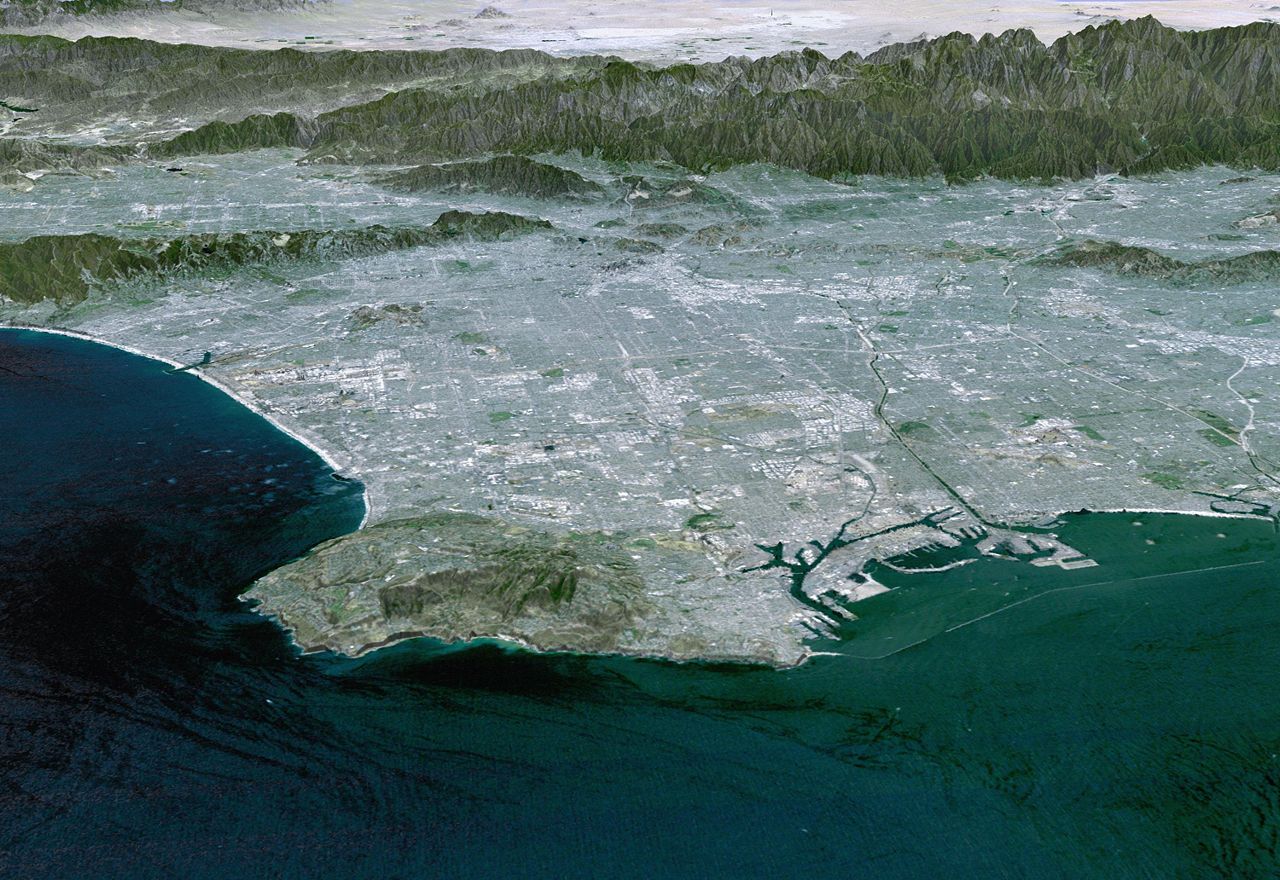
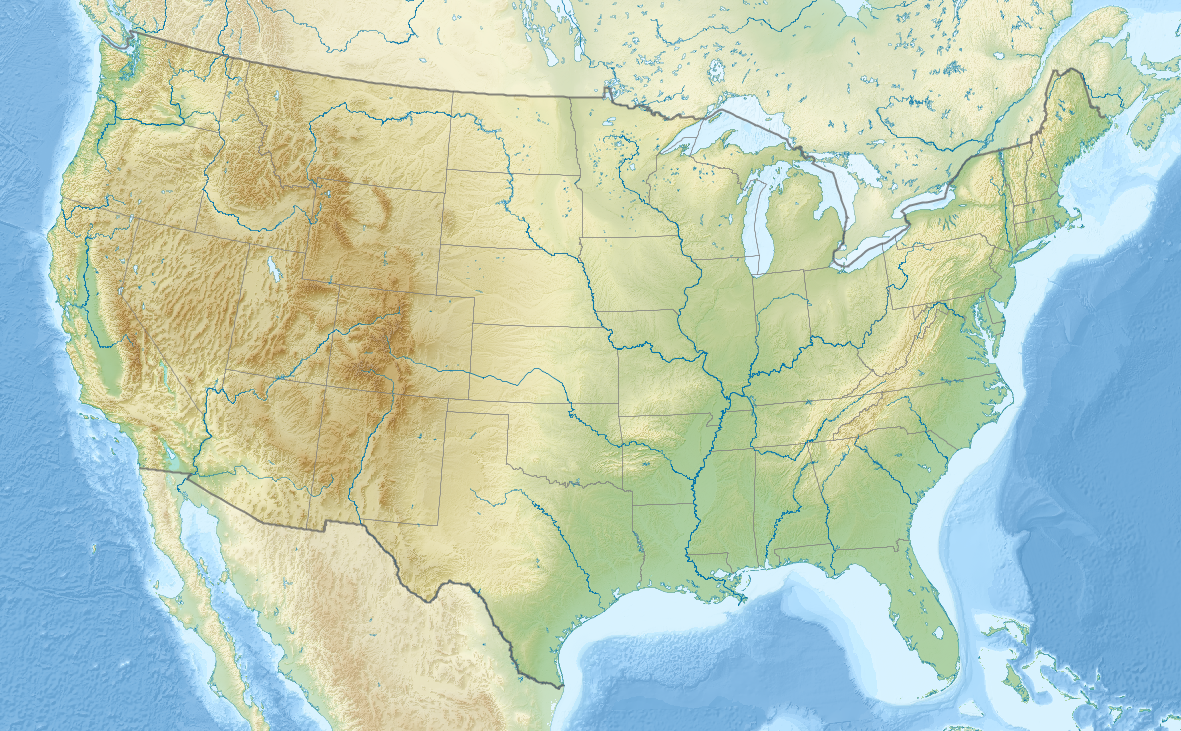
Huntington Park is a compact, primarily residential city in the Gateway Cities region of southeastern Los Angeles County. It lies within the larger urban fabric of Southern California and has long served as a home for working families employed in nearby industrial zones. According to federal counts the population was 58,114 in the 2010 census, down from 61,348 in the 2000 census. The city is identified with the broader Gateway Cities area of California.
Image gallery
6 Images



Origins and development
Founded and incorporated in the early 20th century, Huntington Park grew up as a planned streetcar suburb for workers and their families. The pattern of streets, lots and commercial strips reflects that transit‑oriented origin; the community was shaped by the expansion of industry and transportation radiating southeast from downtown Los Angeles. Its name commemorates real‑estate and transit interests tied to regional development during that era. Over decades the city evolved from primarily single‑family neighborhoods to a dense, mixed residential and commercial environment.
Demographics and economy
Today Huntington Park has a predominantly Latino population and a strong small‑business sector centered on neighborhood retail, services and restaurants. Historically a blue‑collar community, a substantial share of residents commute to nearby manufacturing and distribution centers. Roughly three in ten residents have worked in the neighboring industrial cities of Vernon and Commerce, which supply a notable portion of local employment. Local commerce is concentrated along major corridors that serve as civic and commercial focal points.
Transportation and urban form
Huntington Park’s layout still shows the imprint of streetcar planning: compact blocks, commercial strips, and walkable neighborhoods. Over time those early transit lines were replaced by buses and motor vehicle infrastructure, and the city is now connected to the region by arterial streets and public transit routes. This connectivity supports both commuting to nearby industrial job centers and access to metropolitan services.
Culture, services, and landmarks
The city maintains parks, municipal services and community programs typical of small cities in Los Angeles County. Cultural life emphasizes family‑oriented events, local festivals, and a busy street life rooted in neighborhood businesses. Notable local features include a lively downtown retail corridor, civic institutions, and examples of early 20th‑century residential architecture.
Key features
- Established as a streetcar suburb in the early 1900s (streetcar suburb)
- Part of the Gateway Cities region of Los Angeles County
- Population shifts recorded in the 2010 and 2000 censuses
- Close economic links to industrial neighbors such as Vernon and Commerce
As an inner‑ring Los Angeles city, Huntington Park exemplifies the transition from streetcar suburb to dense urban neighborhood with a resilient community identity shaped by industry, immigration and local enterprise.
Related articles
Author
AlegsaOnline.com Huntington Park, California: history, character, and community Leandro Alegsa
URL: https://en.alegsaonline.com/art/45786
Sources
- factfinder.census.gov : factfinder.census.gov/ · web.archive.org