
Commerce, California: City profile and history
Commerce, California, a small industrial and commercial city in southeast Los Angeles County, known for its industrial parks, Casinos and outlet center; population about 12,800 (2010).

Overview
Commerce is a small incorporated city in southeast Los Angeles County, California, United States. It is commonly called the City of Commerce to avoid confusion with the common noun. According to the U.S. census, the population was 12,823 in 2010, a slight increase from the 2000 figure of 12,568. The city covers a compact area dominated by industrial and commercial land uses rather than extensive residential neighborhoods.
Image gallery
6 Images



Geography and neighbors
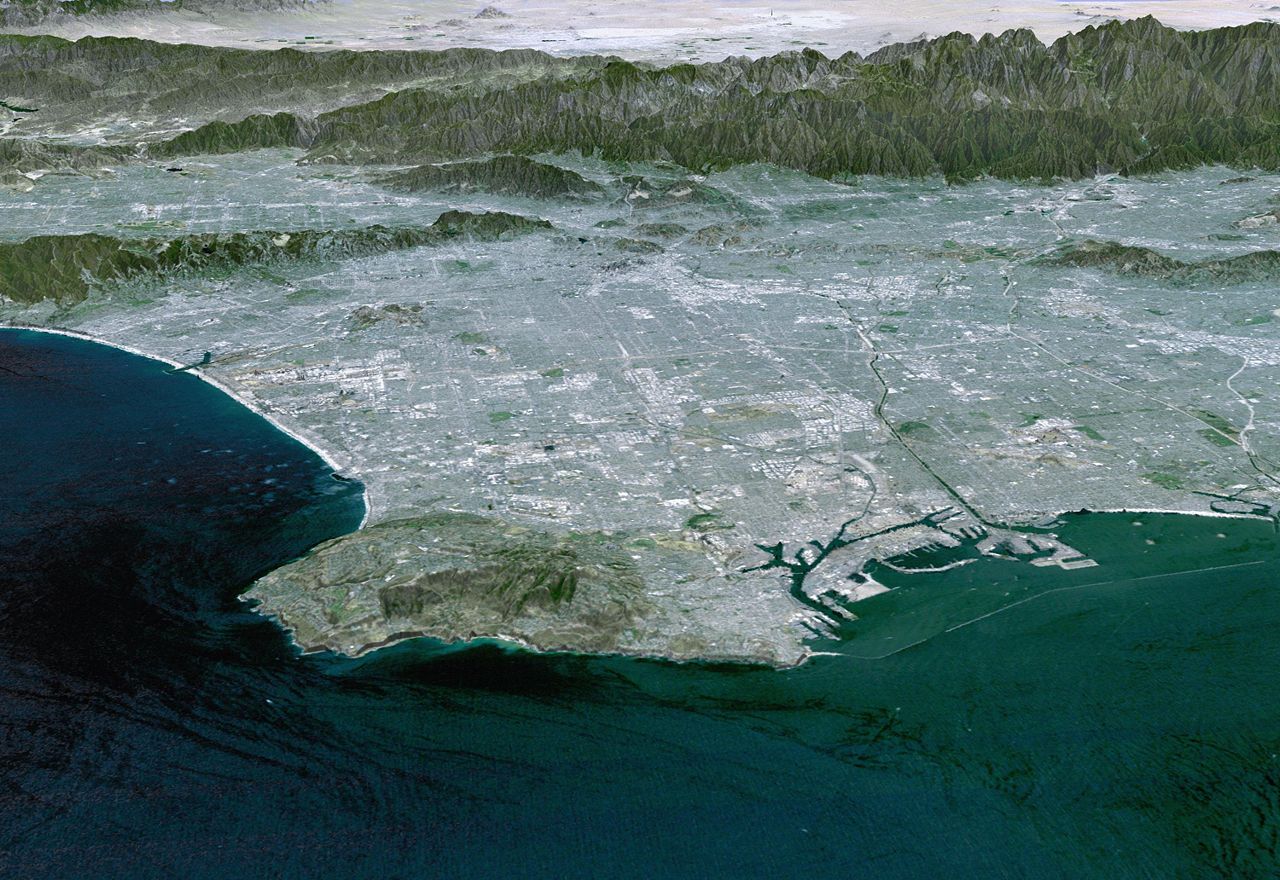
Commerce sits in the Los Angeles Basin and touches several municipalities. Its boundaries meet the cities of Vernon, Maywood, Montebello, Downey and other parts of the City of Los Angeles. The Los Angeles River forms part of Commerce’s southwestern edge (Los Angeles River), and major freeways and rail connections run nearby, reflecting the city’s role in regional goods movement.
History and development
The area that is now Commerce followed the general Southern California pattern of Spanish and Mexican era ranching and later agricultural use. In the 20th century it shifted toward warehouses, manufacturing and wholesale trade as Los Angeles grew. The municipality incorporated to provide local governance and to manage land-use decisions amid industrial expansion.
Economy, landmarks and uses
Commerce is notable for its concentration of industrial parks, distribution centers and commercial attractions that draw visitors from across the region. Prominent landmarks include a large card club and entertainment complex and an outlet shopping center that occupy former industrial or undeveloped sites. The city’s land-use mix emphasizes jobs and commerce rather than dense housing, which shapes local services and infrastructure priorities.
Government, planning and character
Local government focuses on economic development, permitting and infrastructure to support businesses and freight movement. While residential areas are limited compared with many neighboring communities, Commerce’s tax base benefits from commercial and industrial property. The city’s identity is closely tied to its role as a regional employment and logistics center, making it distinct from primarily residential suburbs nearby.
Neighboring communities (selected)
Related articles
Author
AlegsaOnline.com Commerce, California: City profile and history Leandro Alegsa
URL: https://en.alegsaonline.com/art/21956