
Anthony Burgess: life, major works, music and literary legacy
Overview of Anthony Burgess (1917–1993), English novelist, composer and critic; his major books, musical work, biography, themes and lasting influence.
John Anthony Burgess Wilson (25 February 1917 – 22 November 1993), known as Anthony Burgess, was an English novelist, critic, linguist and composer whose work spans fiction, biography, essays and musical composition. He is best known for the dystopian novel A Clockwork Orange, which introduced the teen argot Nadsat and explored questions of free will, violence and state control. Burgess wrote with a wide interest in language and form, combining inventive prose with sustained classical learning.
Image gallery
4 Images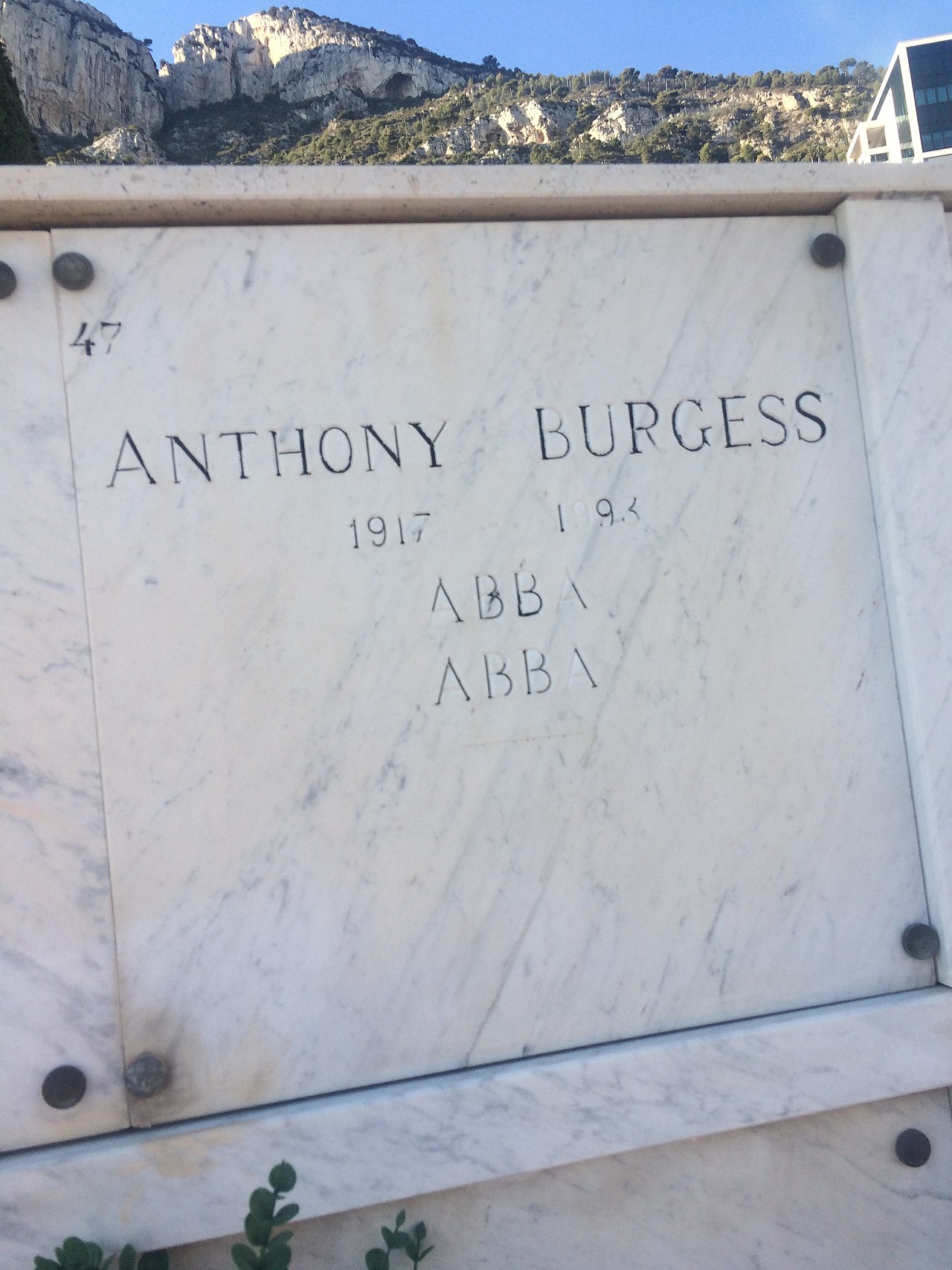


Works, themes and style
Burgess produced a large and varied output: novels (more than two dozen), critical studies, translations and musical pieces. His fiction often examines moral complexity, the creative life and the tensions between individual freedom and social order. A Clockwork Orange remains his most famous book, notable for its invented slang and its examination of rehabilitation and coercion. Other important long fiction includes Earthly Powers, a sweeping novel with a controversial depiction of religion and power, and the Enderby sequence, comic novels centered on a poet's life and art. He also wrote a fictionalized life of William Shakespeare, which blends historical detail with imaginative reconstruction.
Life and career
Born in Harpurhey, Manchester, Burgess came from a modest background and began his working life as a teacher. His early adult years included wartime service and postwar work in education; in the 1950s and 1960s he accepted posts in what were then British territories in Southeast Asia, including Malaya and Brunei. Later in life he lived abroad as an expatriate, spending periods in the United States, Italy and France, and finally settling for long stretches on the Mediterranean coast. He claimed a disciplined routine, often reporting that he wrote daily and treated his craft as sustained labor.
Burgess said that elements of his best-known novel drew on contemporaneous stories of juvenile violence and on a personal experience that affected his family. Rather than simple sensationalism, his treatment of brutality was framed as a philosophical problem about choice, art and punishment. Linguistic inventiveness — notably the use of Russian-derived slang in A Clockwork Orange — is a hallmark of his style, reflecting his lifelong fascination with language and translation.
Music, criticism and influences
Beyond prose he composed music and wrote extensively about composers and writers he admired. Burgess published studies and appreciations of figures such as James Joyce and Gerard Manley Hopkins, and his critical essays combine technical knowledge with lively interpretation. Music remained a serious secondary pursuit throughout his life: he produced scores for theatre and film, and spoke publicly about the interrelation of musical and literary form.
Legacy and selected titles
Burgess was a prolific public intellectual: he produced novels, short fiction, translations, libretti, criticism and radio pieces. He enjoyed popular success and critical debate, and his books continue to be discussed for their linguistic inventiveness and moral inquiry. He died in London in 1993 at the age of 76. His rhythm of disciplined composition, interest in language, and willingness to blend genres have kept him a figure of sustained interest in twentieth-century letters.
- Selected works: A Clockwork Orange, Earthly Powers, the Enderby novels, Nothing Like the Sun.
- Aspects: novelist, composer, critic, linguist.
- Persistent themes: free will, violence, art and the social order.
Further reading and resources
- Author overview and biography
- A Clockwork Orange (novel)
- Violence and youth culture as themes
- James Joyce and literary influence
- Harpurhey, Manchester: birthplace
- Context: England and British literary life
- Working period in Malaysia
- Service and postings in Brunei
- Residences in the United States
- Time living in Italy
- Life in France and Mediterranean residence
- General literature and Burgess's place within it
- Seaside home and visitors in Monaco
- Lung cancer and health at the end of life
- St John's Wood, London: place of death
- Earthly Powers (novel)
- Nothing Like the Sun: a take on Shakespeare
Related articles
Author
AlegsaOnline.com Anthony Burgess: life, major works, music and literary legacy Leandro Alegsa
URL: https://en.alegsaonline.com/art/4577