
James Joyce: Irish modernist writer and experimental novelist
James Joyce (1882–1941), Dublin-born modernist writer and poet, reshaped the novel with experimental techniques — notably stream of consciousness — in Dubliners, A Portrait, Ulysses and Finnegans Wake.
James Augustine Aloysius Joyce (2 February 1882 – 13 January 1941), known in Irish as Séamus Seoighe, was an Irish writer and poet whose work became central to literary modernism. Born and raised in Dublin, he spent much of his adult life in continental Europe, living in Trieste, Zurich and Paris while maintaining a complex relationship with his homeland, Ireland. His life combined close attention to local detail with ambitious formal experimentation.
Image gallery
10 Images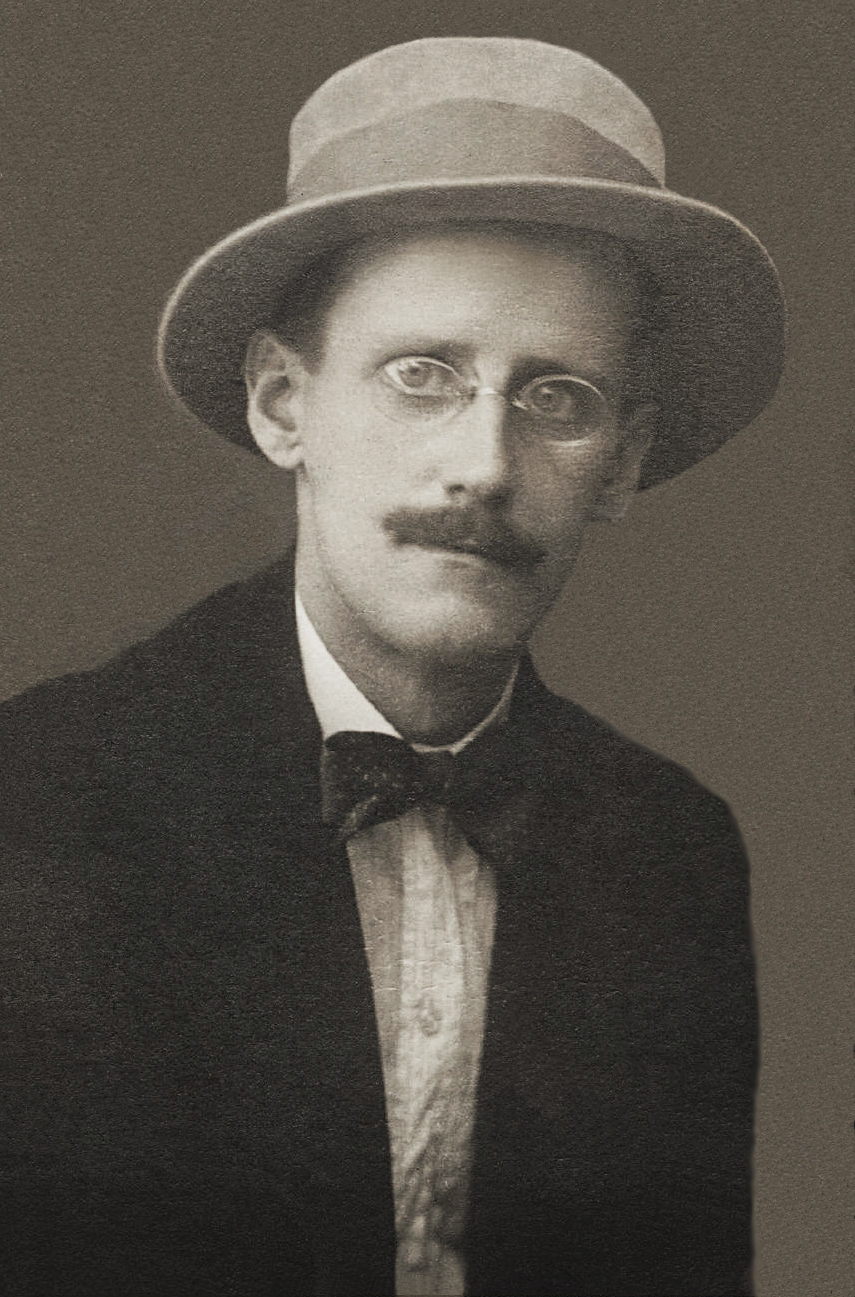



Life and background
Joyce came from a Roman Catholic family and was educated in Dublin, including time at University College Dublin, where classical and contemporary literature influenced his early thinking. Financial struggles, family illness and his own recurring health problems, notably serious eye trouble that affected his vision, shaped his movements and working conditions; he sometimes wore an eyepatch and required repeated medical treatment. Joyce married Nora Barnacle in 1931 and supported a household largely through literary work and the help of friends and patrons.
Major works and brief summaries
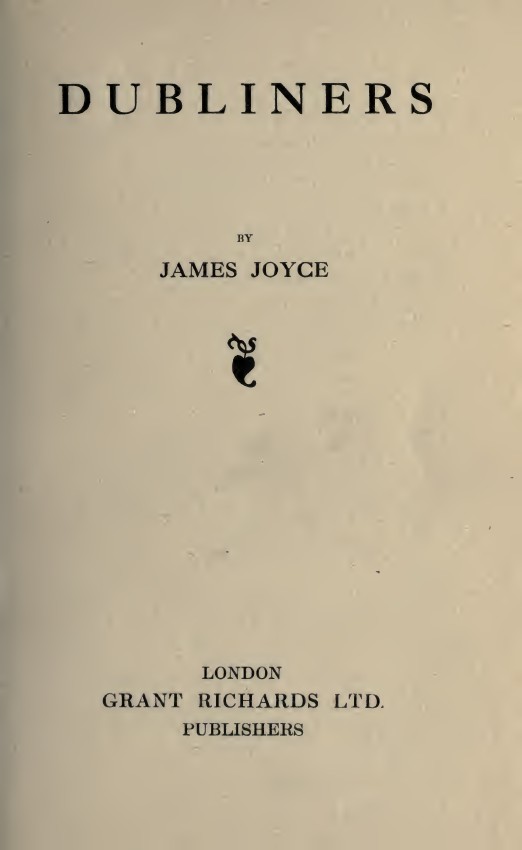
- Dubliners — a collection of short stories rooted in precise social observation; many pieces culminate in moments of sudden clarity or "epiphany" about a character's situation.
- A Portrait of the Artist as a Young Man — a loosely autobiographical novel that traces the intellectual and spiritual development of a young Irishman who ultimately seeks artistic independence.
- Ulysses — a landmark modernist novel that follows a single day in Dublin while drawing structural and thematic parallels to Homer's Odyssey; its inventive shifts of style and close attention to consciousness made it both celebrated and controversial.
- Finnegans Wake — a late, highly experimental work that uses multilingual wordplay, portmanteau words and dream logic to pursue global, cyclical themes about history and memory.
Style, techniques and themes
Joyce is especially associated with the technique often called stream of consciousness, an attempt to render characters' thoughts, perceptions and associations in flowing, sometimes fragmented prose. Over his career he ranged from realistic narrative to passages of extreme linguistic play. He used dialect, slang, learned allusion, puns and neologisms, and he experimented with narrative point of view and temporal structure. Recurring themes include religion and doubt, national identity and exile, the relation between the artist and society, and the capacity of language to register subjective experience.
Reception, censorship and influence
When first published, Joyce's more radical books provoked strong reactions. Ulysses encountered legal censorship and was subject to obscenity trials in several countries; over time, however, institutional attitudes shifted and his work came to be taught, translated and widely studied. Joyce influenced generations of writers and critics through his formal innovations and his insistence that fiction could model thought, memory and speech in new ways.
Legacy and study
Joyce's oeuvre continues to attract close scholarly attention for its density and range. Readers and students approach his texts from multiple angles: linguistic and stylistic analysis, historical and biographical context, and thematic inquiry into modern identity and myth. His treatment of Dublin makes the city a persistent subject of literary study, and his multilingual sensibility reflects broader European and global currents in twentieth-century letters.
For introductory biographical material and bibliographies see general biography resources and guides to the modernist movement. Local studies and walking guides offer ways to connect Joyce's fiction to places in Dublin, while broader histories of Ireland provide political and cultural background. Further reading on his methods and language use can be found in critical surveys of narrative technique and writer studies focusing on poetic and prose innovation; introductory discussions of his poetic aims appear in accessible overviews of his role as poet.
Because Joyce's later work rewards patient, repeated reading, many readers begin with the shorter, more accessible pieces in Dubliners and then move to A Portrait of the Artist as a Young Man before tackling Ulysses and Finnegans Wake. Various editions and annotated texts, as well as scholarly commentaries, can assist with vocabulary, allusions and structural patterns that are central to appreciating Joyce's achievement.
Questions and answers
Q: Who was James Joyce?
A: James Joyce was an Irish writer and poet of the modernist movement.
Q: Where was James Joyce from?
A: James Joyce was from Dublin, Ireland.
Q: Why did James Joyce wear an eyepatch?
A: James Joyce wore an eyepatch because of eye damage. He could not see well.
Q: What is special about James Joyce's writing style?
A: James Joyce's writing style is special because he used a new style called stream of consciousness, which is writing all the thoughts that a character has.
Q: What was James Joyce's first book called?
A: James Joyce's first book was called Dubliners.
Q: What was James Joyce's second book called?
A: James Joyce's second book was called A Portrait of the Artist as a Young Man.
Q: How did James Joyce's work influence other writers in the 20th century?
A: James Joyce's work influenced many other writers in the 20th century.
Related articles
Author
AlegsaOnline.com James Joyce: Irish modernist writer and experimental novelist Leandro Alegsa
URL: https://en.alegsaonline.com/art/49234
Sources
- biography.com : "James Joyce"
- wikidata.org : wikidata.org/wiki/Q6882
- authority.bibsys.no : 90051148
- catalogo.bne.es : XX901696
- catalogue.bnf.fr : cb11909158m
- data.bnf.fr : (data)
- cantic.bnc.cat : a10107502
- ci.nii.ac.jp : DA00636796
- d-nb.info : 118558501
- hls-dhs-dss.ch : 043889
- isni.org : 0000 0001 2130 2495
- id.loc.gov : n79056824
- musicbrainz.org : d74dafbd-e974-4393-9d01-3bc2d81e2dc8
- catalog.archives.gov : 10574736