
Hydrofoil: boats that lift on underwater wings
Hydrofoils are vessels that use underwater wing-like foils to lift the hull, reducing drag and enabling higher speeds. They appear in ferries, racing boats, and recreational foiling sports.
Overview
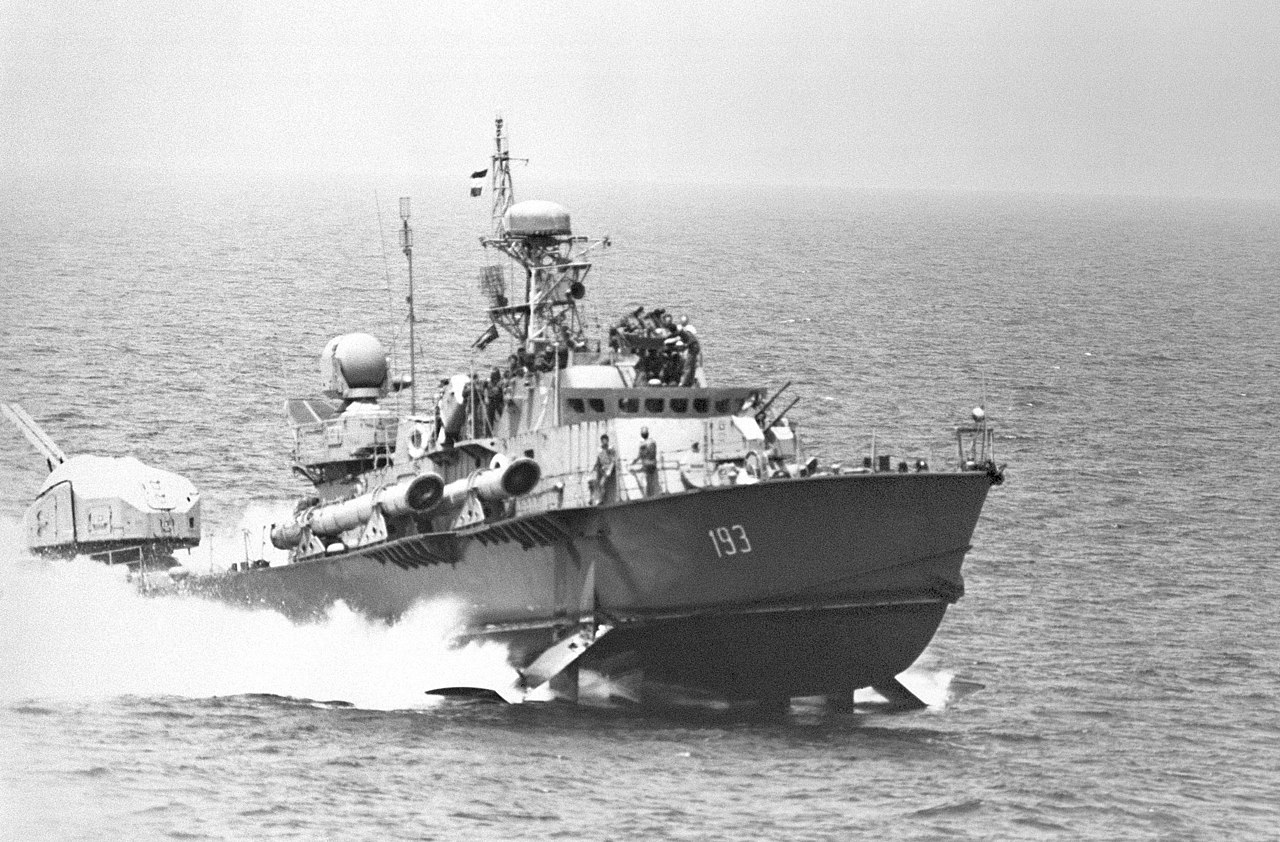
A hydrofoil is a type of boat or watercraft that uses wing-shaped foils mounted below the waterline to generate lift as the craft gains speed. As the foils develop lift they raise the hull clear of the water, greatly reducing wetted surface area and hydrodynamic drag. The result is higher top speed, improved fuel efficiency at speed, and a smoother ride across chop when the system is operating.
Image gallery
10 Images




Characteristics and main components
Typical hydrofoil systems include one or more struts fixed to the hull, with horizontal foil sections attached beneath. Foil designs vary by shape and orientation: some are surface-piercing and self-stabilizing, others are fully submerged and use active control systems. Materials commonly used are aluminum alloys, stainless steel and modern composites chosen for strength, stiffness and corrosion resistance.
History and development
Concepts for lifting surfaces in water date to the late 19th and early 20th centuries. Inventors and experimenters tested early foil boats through the 1900s and mid-20th century. Development continued for both military and commercial applications, and certain countries introduced regular passenger hydrofoil services in the mid-20th century. More recently, advances in computing, sensors and composites have enabled more reliable and diverse foil applications.
Uses and examples
- High-speed passenger ferries and commuter services where speed and schedule are priorities.
- Military and patrol craft that benefit from reduced wake and faster transit.
- Competitive sailing — modern racing yachts and America's Cup boats use foils to achieve dramatic speed gains.
- Recreational foiling: kitefoils, windfoils, surf foils and electrically powered surfboards bring foil technology to individual riders.
Advantages and challenges
Hydrofoils lower drag and can give a substantially improved ride at speed, but they require sufficient forward velocity to produce lift and are more complex to build and maintain than conventional hulls. Designers must manage structural loads, cavitation at high speeds, and control stability in varying sea conditions. Cost and operating considerations have limited widespread adoption despite notable niche successes.
Notable distinctions
Hydrofoils differ from planing hulls, which rely on hull shape to rise onto the surface; foils lift the hull off the water entirely. They can be retrofit options or integral to a vessel’s design and are part of a broader set of technologies including foil-assisted displacement craft and foil-borne boats. Ongoing work in electrification and control systems continues to expand practical uses.
Related articles
Author
AlegsaOnline.com Hydrofoil: boats that lift on underwater wings Leandro Alegsa
URL: https://en.alegsaonline.com/art/46090