
House of Farnese: Italian princely family, patrons and rulers of Parma
Prominent Italian noble family from the Renaissance and Early Modern era, noted for papal ties, rule of the Duchy of Parma, and a major art collection including the Farnese marbles and Palazzo Farnese.
Overview
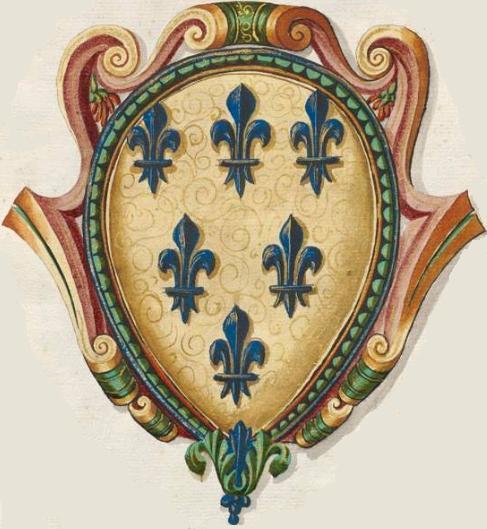
The House of Farnese was a prominent Italian noble family centered around Rome and the surrounding Lazio region. Over several centuries they accumulated political power, landed titles and one of the greatest private art collections of early modern Europe. Their name is associated with high papal office, princely rule in northern Italy and substantial cultural patronage.
Image gallery
7 Images



Origins and rise
The family rose from local aristocratic roots to international influence through shrewd marriages, military service and papal favor. Key to their elevation was the accession of Alessandro Farnese as Pope Paul III, which opened doors to offices, benefices and territories. Members of the house served as cardinals, military commanders and governors, strengthening the Farnese position in Italy and beyond. For background on their regional role see family and their ties to Italy.
Art, architecture and collections
The Farnese were among the most active patrons of art and architecture in Rome and Parma. They commissioned major projects such as the Palazzo Farnese in Rome and the fresco cycle in the Galleria Farnese by Annibale Carracci. Their collection included monumental antiquities – the so‑called Farnese Marbles and the Farnese Hercules – and paintings collected and displayed across their palaces. Many works later passed to royal collections and museums; their legacy remains visible in museum catalogs and historic palaces. See Rome connections at Rome.
Political power and the Duchy of Parma
Through papal grants and dynastic maneuvering the Farnese acquired the Duchy of Parma and Piacenza in the mid‑16th century. As dukes they governed a small but strategically placed state in northern Italy, founded by members of the family and sustained for nearly two centuries. Their rule shaped local institutions and artistic patronage in Parma; later succession issues led to the transfer of their possessions to related dynasties. For their dynastic politics and Spanish connections see popes and Philip V of Spain.
Notable members and influence
- Pope Paul III (Alessandro Farnese) — elevated family power and created the Duchy.
- Elisabetta Farnese — queen consort of Spain whose influence promoted Farnese interests at the Spanish court.
- Several cardinals and dukes who continued patronage and governance in Rome and Parma.
More on their territorial rule and cultural sites is available in resources about the Duchy of Parma.
Legacy and distinctions
The Farnese name survives chiefly through architecture (notably the Palazzo Farnese), famous sculptures and paintings once in their possession, and the imprint they left on papal and Italian politics. Their collection rivaled other great houses of the era and provided a foundation for later national and royal museums. For introductions and visiting information consult general guides to the family and their surviving estates via family and specialized histories at Italy, Rome, and popes.
Related articles
Author
AlegsaOnline.com House of Farnese: Italian princely family, patrons and rulers of Parma Leandro Alegsa
URL: https://en.alegsaonline.com/art/45310