
House of Orsini
Prominent Italian noble family originating in medieval Rome, influential in papal politics and regional rule during the Middle Ages and Renaissance; produced popes, cardinals, condottieri and princes.
Overview
The House of Orsini is one of the most enduring and influential noble families in Italian history. Emerging in medieval Rome, the Orsini built a wide network of secular and ecclesiastical power across central and southern Italy. They played a major role in papal elections, Roman politics and the governance of feudal territories from the Middle Ages into the early modern era. For a compact family summary see Orsini family overview.
Image gallery
5 Images


Origins and historical development
The family traces its documented prominence to the 11th–12th centuries as part of the Roman aristocracy. Over succeeding centuries the Orsini expanded through marriage, military service and papal patronage. Their members served as military leaders (condottieri), diplomats and statesmen as well as churchmen. The family’s fortunes rose and fell with the shifting alliances of Roman barons, papal politics and regional monarchs; for a chronological outline consult historical timeline.
Branches, possessions and architecture
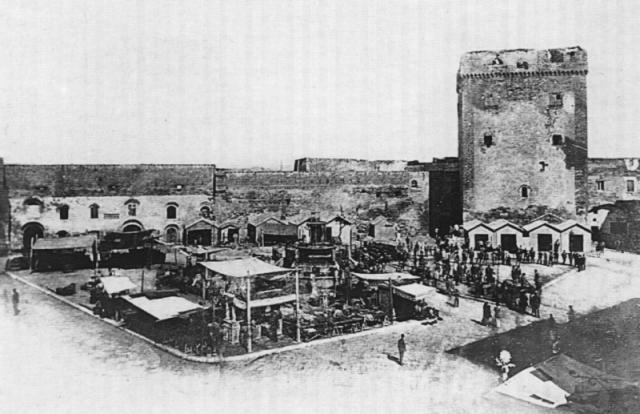
By the late Middle Ages several cadet branches held key fiefs and towns. Prominent branches established seats at Bracciano, Cerveteri, Gravina and Monterotondo, among others, and built or controlled castles, palaces and estates that remain visible in the landscape. The fortress at Bracciano is a noted example of Orsini patronage and military architecture. A selection of principal holdings and sites is listed below.
- Bracciano — an Orsini stronghold with a famous Renaissance castle.
- Cerveteri and other Lazio estates that anchored local authority.
- Feudal possessions in parts of southern Italy through strategic marriages.
Political and religious influence
The Orsini were deeply involved in papal affairs, often aligning with or opposing successive pontiffs as suited family interests. Historically they are associated with several high ecclesiastical appointments: the family has traditionally been credited with producing dozens of cardinals and three popes — Celestine III (Gicinto Bobone), Nicholas III (Giovanni Gaetani Orsini) and Benedict XIII (Pietro Francesco Orsini). Their long record of churchmen and princes made the family a central actor in both secular and spiritual spheres; see more on their ecclesiastical role at church connections and papal relations.
Rivalries, patronage and legacy
The Orsini were famous rivals of other Roman houses, most notably the Colonna family; these contests shaped Roman civic life and even led to armed confrontations. Beyond politics and war, the Orsini were patrons of art and architecture, commissioning churches, palaces and civic works that contributed to the cultural landscape of the Renaissance city. Today their castles, palazzi and archival records remain important for the study of medieval and early modern Italy. Further resources and collections can be consulted via research links.
Notable facts: the family combined military, administrative and religious roles; its many branches ensured a wide geographic footprint; its rivalries and alliances are key to understanding Roman aristocratic politics from the 12th to the 18th centuries.
Related articles
Author
AlegsaOnline.com House of Orsini Leandro Alegsa
URL: https://en.alegsaonline.com/art/45325
Sources
- newadvent.org : "Orsini"
- newadvent.org : "Pope Celestine III"
- newadvent.org : "Pope Nicholas III"
- newadvent.org : "Pope Benedict XIII"