
House of Medici: Patrons, Bankers, and Rulers of Renaissance Florence
Prominent Florentine family (c. 14th–17th centuries) known for banking, political rule in Tuscany, patronage of Renaissance art, and producing influential popes and queens of France.
Overview
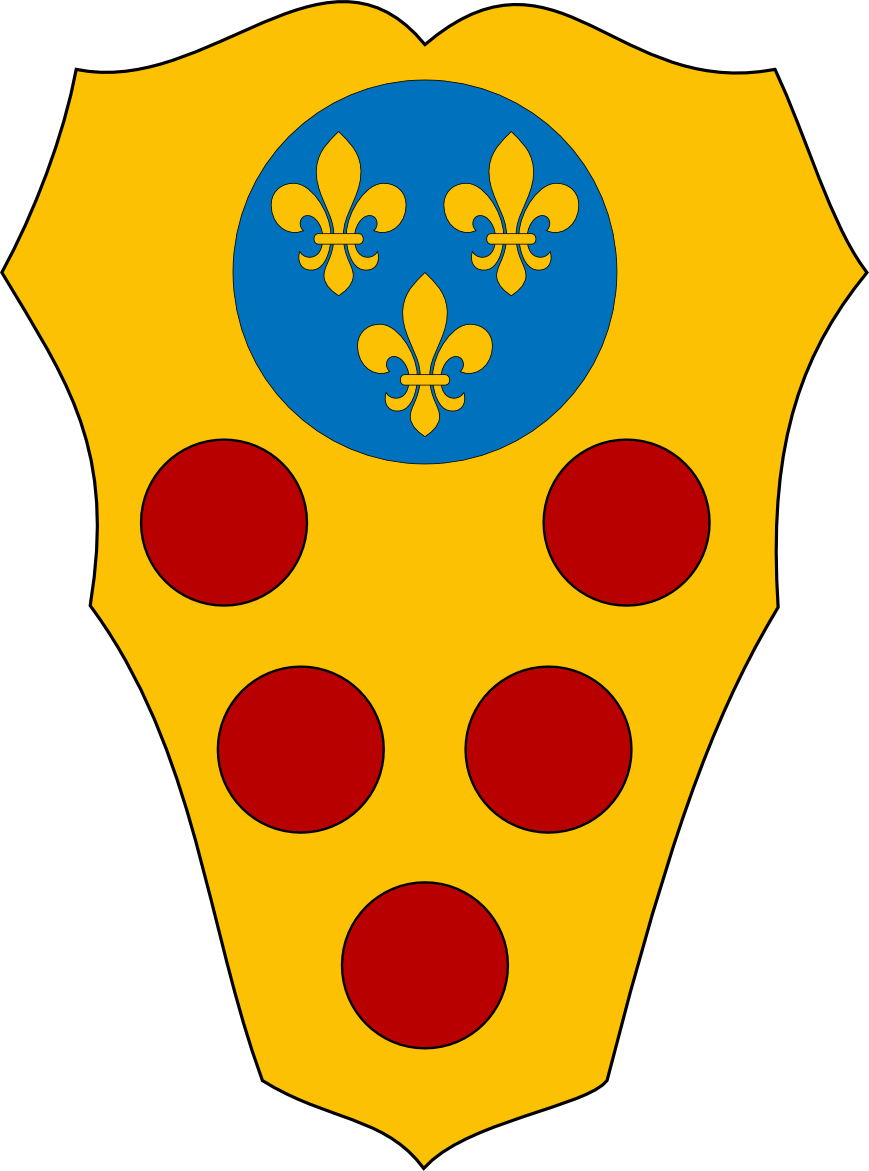
The House of Medici was a powerful and influential family based in Florence that rose to prominence in the late medieval and Renaissance periods. Active roughly from the 14th to the 17th century, members of the family combined commercial success, political leadership, and cultural patronage. They are remembered for their banking enterprises, their long involvement in Florentine government, and for sponsoring artists, architects and scholars whose work defined the Italian Renaissance.
Image gallery
10 Images




Origins and rise to power
The family's initial wealth came from commerce and banking. By building an extensive network of branches and clients across Europe, the Medici established financial influence that translated into political power at home. Prominent early figures used their resources to support allies within civic institutions of Florence and to secure positions for family members. Over several generations the family evolved from wealthy private citizens into de facto rulers, and later into hereditary sovereigns of Tuscany under the title Grand Duke.
Patronage, culture and the arts
Perhaps the Medici's most lasting legacy is their patronage of the arts and learning. They supported painters, sculptors, architects, poets and scientists whose achievements shaped European culture. Major artists and intellectuals who received Medici support include figures of the Renaissance such as Michelangelo, Botticelli and many humanist scholars. Medici patronage extended to founding and funding libraries, academies and building projects in Italy that created an environment in which the arts and sciences flourished.
Political and religious influence
Members of the family held key civic offices in Florence and, at times, exercised near-sovereign authority. Several members of the Medici name reached the highest ranks of the Catholic Church; among those most commonly associated with the family are popes such as Leo X and Clement VII, and other pontiffs linked to Medici branches. The family also married into European royalty: Catherine de' Medici and Marie de' Medici became queens of France, extending the family's influence beyond Italy. For a period, the Medici ruled Tuscany directly; their principal heir was styled the Grand Prince, and the family held the title Grand Duke of Tuscany.
Notable members and institutions
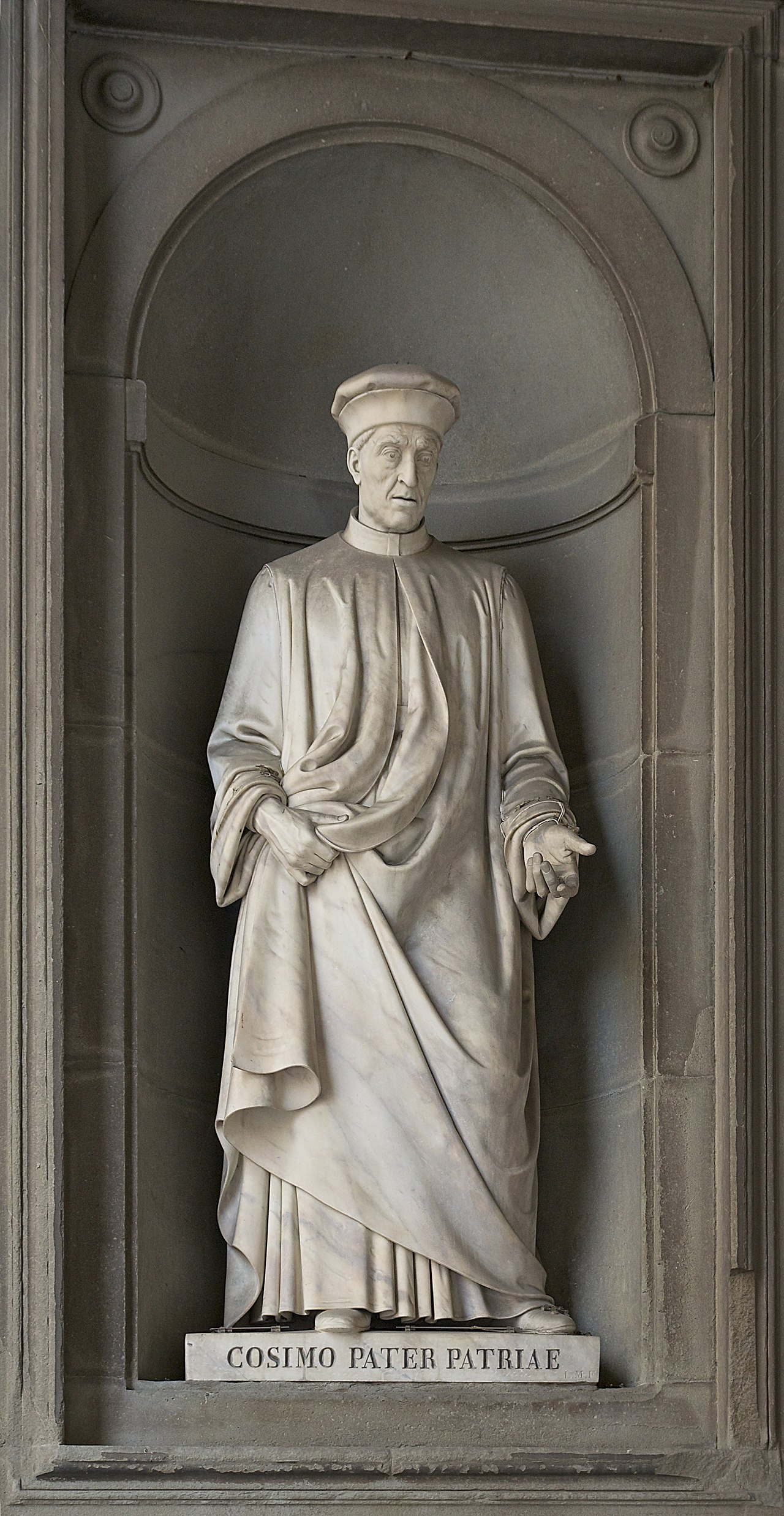
- Cosimo de' Medici — an early patron and political leader who consolidated Medici influence.
- Lorenzo de' Medici (Lorenzo the Magnificent) — renowned as both a statesman and an arts patron.
- Queens of France — Catherine de' Medici and Marie de' Medici, who shaped French politics and court life.
- Medici Bank — the family's principal financial enterprise that underpinned their power for generations.
Decline and legacy
The family's fortunes and direct political control declined during the 17th century as financial difficulties, changing politics and dynastic issues reduced their position. Nonetheless, the artistic, architectural and institutional achievements commissioned or supported by the Medici continued to influence Europe. Their role in encouraging Renaissance culture, shaping Florentine civic life, and connecting commerce with political authority remains a major chapter in European history.
For more on places, dates and detailed biographies, see additional resources: chronology, family branches and archival collections.
Related articles
Author
AlegsaOnline.com House of Medici: Patrons, Bankers, and Rulers of Renaissance Florence Leandro Alegsa
URL: https://en.alegsaonline.com/art/45320
Sources
- newadvent.org : "Pope Leo X"
- newadvent.org : "Pope Clement VII"
- newadvent.org : "Pope Pius IV"
- newadvent.org : "Pope Leo XI"