
Horse training: methods, history, and welfare considerations
Overview of how horses are trained for riding, driving and sport, the common methods and stages, historical background, practical uses, and welfare controversies and alternatives.
Horse training is the process of teaching a horse to respond reliably to human cues and to accept handling, equipment and tasks. Objectives range from basic handling and leading to advanced athletic performance in disciplines such as dressage, jumping, driving and ranch work. Training is cumulative: early handling builds the foundation for later skills like saddling, bridling and riding.
Image gallery
9 Images


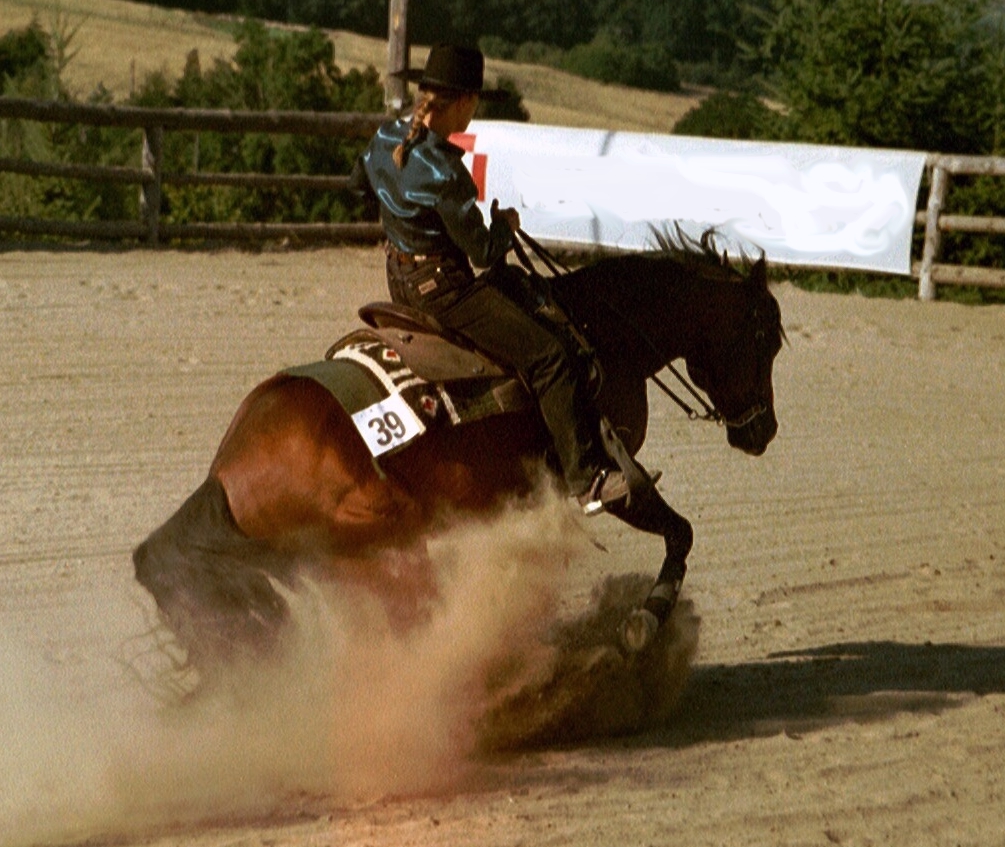


Core principles and stages
Effective training relies on consistent cues, clear rewards and predictable consequences. Common stages include:
- Foal handling and socialisation to people and other horses.
- Groundwork: leading, yielding to pressure, desensitisation and lunging.
- Introduction of tack: accepting a saddle, girth, bridle and bitless options.
- Backing: teaching a horse to carry a rider and respond to basic seat and rein aids.
- Progression to discipline-specific skills and refinement.
Methods and equipment
Trainers use a mix of learning theory and practical techniques: positive and negative reinforcement, habituation, classical conditioning and shaping. Tools range from simple halters and cavessons to specialised bits, martingales and side reins for training exercises. Many modern trainers emphasise humane, reward-based approaches often called "gentling" or natural horsemanship, while others use traditional control-based methods depending on context and goals.
History and development
Horses have been trained for thousands of years for transport, agriculture, war and sport. Historical methods varied by culture and purpose: cavalry required manoeuvrable, disciplined mounts; draft horses were trained for steady pulling; and breeding programmes adapted temperament and conformation for specific tasks. In recent decades the growth of leisure riding, competitive sport and equine science has changed training priorities and spurred interest in welfare-focused practices.
Uses and examples
Trained horses serve diverse roles: recreational riding, competitive sport (show jumping, eventing, dressage), working roles on farms and in forestry, mounted police, therapeutic riding programmes and driving carriages. Training is tailored to the job: a dressage horse needs fine, precise responses, while a trail horse must be calm and steady in unfamiliar environments.
Welfare, controversy and best practices
Not all training methods are equally humane. Terms such as "breaking" reflect older, more coercive approaches that are increasingly criticised. Welfare concerns focus on excessive force, improper tack, rushed schedules and failure to respect a horse's physical limits. Best practice emphasises gradual exposure, clear timing, appropriate rewards, veterinary care and observation of behaviour that signals stress or pain.
Notable distinctions and further learning
Different traditions (classical dressage, western horsemanship, endurance, natural horsemanship) emphasise distinct techniques and goals but share common learning principles. For more practical guidance and resources, consult training manuals, accredited instructors and scientific literature on equine behaviour. For external resources see further reading.
Understanding a horse's natural behaviour and individual temperament remains essential: successful training adapts methods to the animal rather than forcing the animal to fit a single method.
Related articles
Author
AlegsaOnline.com Horse training: methods, history, and welfare considerations Leandro Alegsa
URL: https://en.alegsaonline.com/art/45163