
House mouse (Mus musculus)
The house mouse (Mus musculus) is a small rodent found worldwide. Closely associated with people, it has important roles in research, ecology, pest management and public health.
Overview: The house mouse, Mus musculus, is a widespread small rodent often simply called a mouse. It is one of several species in the genus Mus. Native populations and commensal populations that live alongside people differ in behavior and appearance but belong to the same species.
Image gallery
10 Images


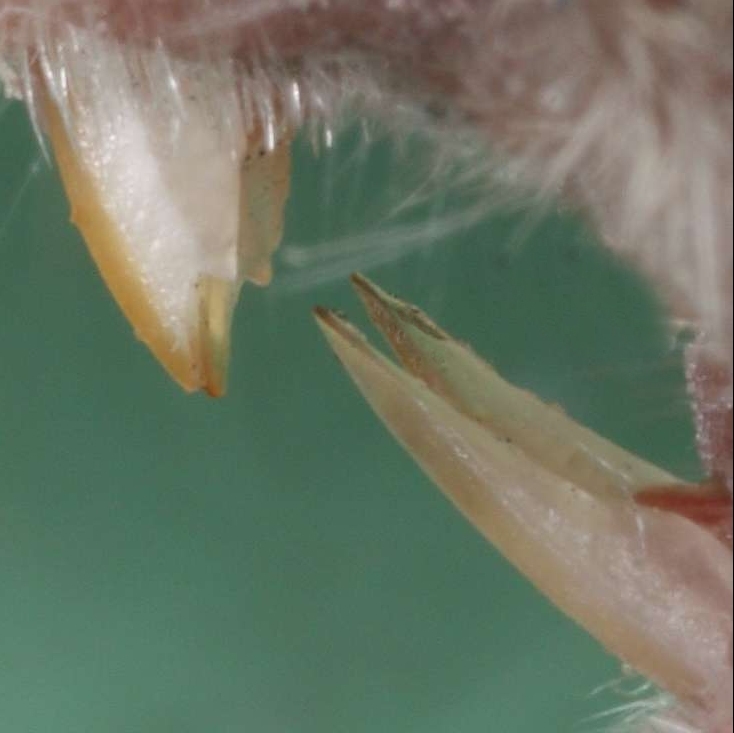



Characteristics
House mice are typically small, light-bodied mammals with pointed snouts, large ears, and long tails. They are omnivorous and adaptable, able to exploit human buildings, agricultural stores, and wild habitats. Reproduction is rapid under favourable conditions, which contributes to their success as a colonizing species.
Distribution and habitat
Because they thrive near human settlements, house mice have a near-global distribution, transported by humans for centuries. They occupy houses, barns, sewers, fields and urban sites. Feral populations may differ genetically and ecologically from laboratory-bred strains.
Role in research
Selected strains of the house mouse are bred as laboratory mice and are central to modern biology and medicine. Their short generation time, well-understood genetics and physiological similarities to humans make them key models for genetics, immunology, neuroscience and drug testing. Their use raises ethical and welfare considerations that guide care and experimental design.
Human interactions and importance
House mice affect people in multiple ways: they can contaminate food, damage property, and carry parasites and pathogens. At the same time, they are valued in laboratories and appear in cultural references. Management emphasizes prevention, exclusion and humane control where possible.
Notable distinctions and identification
- Appearance: small size, long tail, large ears relative to head.
- Behavior: primarily nocturnal, strong exploratory instincts.
- Variants: wild, commensal, feral and laboratory strains differ in appearance and behavior.
For further general information consult authoritative species accounts and resources on pest management and laboratory animal care, which describe taxonomy, ecology and best practices in greater detail.
Questions and answers
Q: What is a house mouse?
A: A house mouse is a species of the genus Mus, which is a small rodent that is often just called a mouse.
Q: Where do house mice live?
A: House mice live close to humans in most parts of the world.
Q: What is the importance of laboratory mice?
A: Laboratory mice are types of house mice and are some of the most important organisms used for research in biology and medicine.
Q: What is the most commonly used laboratory mammal for experiments?
A: House mice are the most commonly used laboratory mammal for experiments.
Q: What genus does the house mouse belong to?
A: The house mouse belongs to the genus Mus.
Q: Why are house mice important for research in biology and medicine?
A: House mice are important for research in biology and medicine because they are widely available, easy to handle and breed, and have a similar genetic makeup to humans.
Q: What is another name for the common mouse?
A: The common mouse is another name for the house mouse.
Related articles
Author
AlegsaOnline.com House mouse (Mus musculus) Leandro Alegsa
URL: https://en.alegsaonline.com/art/45295