
Home Economics: Household Management, Nutrition, and Family Studies
Home economics studies the management of households and communities, covering budgeting, nutrition, childcare, textiles, and practical skills for wellbeing, education, and career pathways.
Overview
Home economics is an applied field that examines the economics and organization of everyday life within households and communities. It brings together knowledge from social sciences, nutrition, consumer science and management to support practical decision-making about resources, time, and wellbeing.
Image gallery
9 Images



Core areas and components
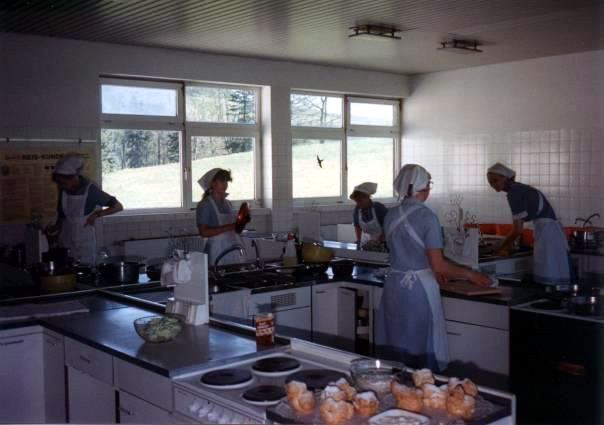
Key subjects include budgeting and financial planning, food preparation and safety, nutrition, clothing and textile care, housing and interior management, child development, and community health. Programs emphasize hands-on skills and critical thinking so individuals can make informed choices about consumption, sustainability and family care. Home economics also addresses household management and the role of the household within a larger community, linking personal practices with public outcomes.
History and development
The discipline emerged in the late 19th and early 20th centuries as educators and reformers sought to apply scientific principles to domestic life. Over time it evolved from a focus on homemaking techniques to a broader concern with household economics, public health, and consumer rights. Changes in gender roles, labor patterns, and technology have continually reshaped curricula and professional practice.
Practical uses and examples
Home economics informs daily activities such as meal planning, safe food handling and efficient shopping; it supports long-term goals like financial resilience, energy-efficient home management and child wellbeing. Examples include designing a family budget, creating nutritious menus, selecting durable fabrics, and implementing home safety routines. Schools often teach these skills to prepare students for independent living and responsible citizenship.
Education, careers and community impact
Educational pathways range from secondary-school classes to university degrees and extension programs. Careers linked to home economics include dietetics, family counseling, consumer advocacy, early childhood education and community development. At the community level, the field contributes to public health promotion, food security initiatives and consumer education.
Distinctions and notable facts
- Home economics blends practical skill training with theoretical understanding of household systems.
- It emphasizes sustainability, resource management and lifelong learning.
- Contemporary programs often incorporate technology, multicultural perspectives and policy awareness.
For further information on related topics like community services, family dynamics and cooking techniques see resources on community, family studies and cooking.
Related articles
Author
AlegsaOnline.com Home Economics: Household Management, Nutrition, and Family Studies Leandro Alegsa
URL: https://en.alegsaonline.com/art/44866