
Hyperinflation: causes, historical examples, effects and remedies
Hyperinflation is an extreme, rapid rise in prices resulting from a collapse in currency value. This article explains what it is, its causes, notable episodes, consequences and common solutions.
Overview
Hyperinflation is a very rapid, out-of-control increase in general price levels that erodes the real value of a currency and people's savings. In practical terms it means that money loses purchasing power so fast that day-to-day transactions, contracts and accounting become difficult. Economists commonly treat hyperinflation as a distinct phenomenon from ordinary high inflation; a conventional threshold often cited is a monthly inflation rate above 50%, but the concept also rests on the social loss of confidence in the currency. See general economic discussions for background.
Image gallery
10 Images
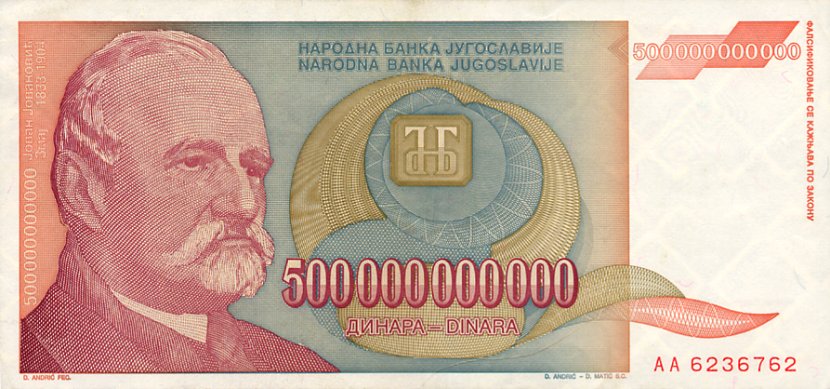
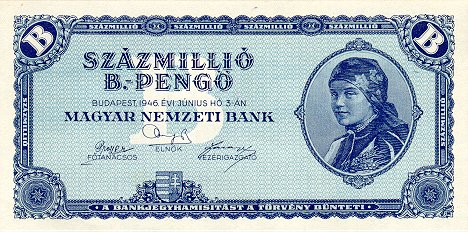

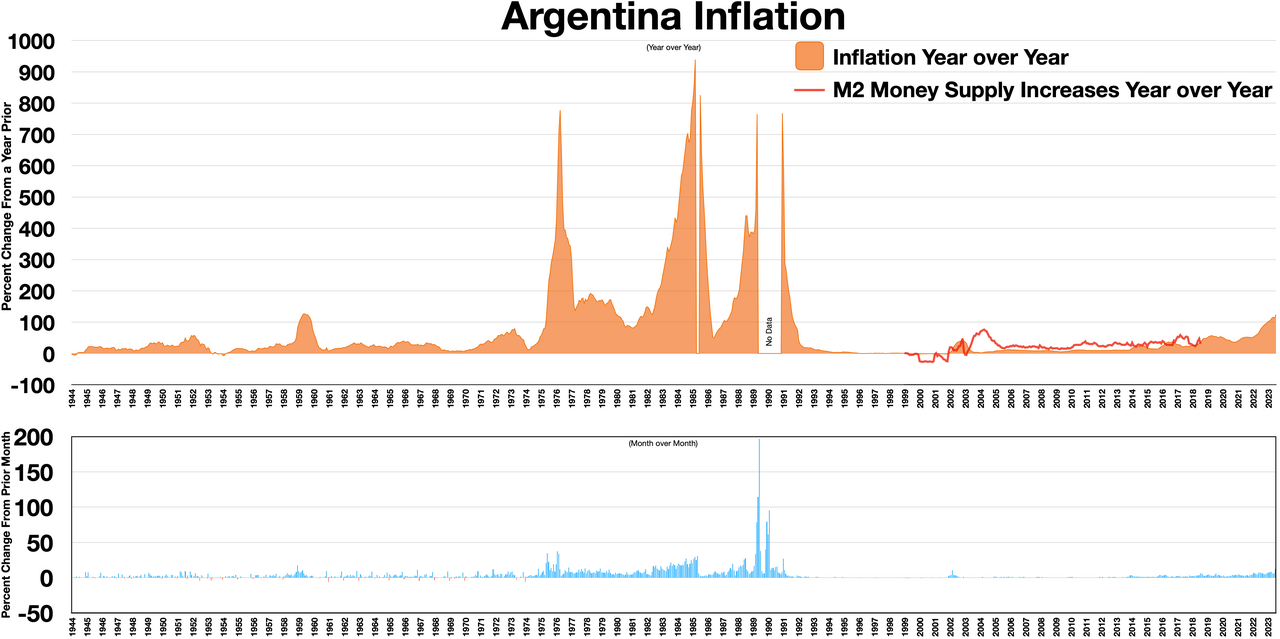


Characteristics and measurement
Hyperinflation is measured by price indices such as the consumer price index (CPI) or wholesale price indices. Key features include accelerating price increases, drastic depreciation of the domestic currency against foreign money, widespread use of alternative currencies or barter, and indexation of wages and contracts. When people begin to avoid holding the local currency, velocity rises and inflation can feed on itself. For distinctions between ordinary inflation and extreme episodes, consult a standard explanation of inflation.
Common causes
- Excessive money creation: Governments financing large budget deficits by printing money often triggers rapid inflation when production cannot absorb the extra money.
- Loss of confidence: If households and firms expect prices to keep rising, they spend money faster, accelerating inflation.
- Fiscal collapse or war: Disruption of tax systems, output and supply chains makes monetary financing more likely.
- External shocks and currency runs: A sudden stop in foreign credit or a sharp currency devaluation can convert high inflation into hyperinflation.
Money and its role in an economy are central to understanding these dynamics; for a concise primer see money and monetary policy sources.
Historical examples
Several 20th-century episodes are frequently cited in textbooks. In the early 1920s the German Weimar Republic experienced runaway price rises that undermined the mark and led to the introduction of a new currency, the Rentenmark, as part of stabilization measures; key events and notes from that period appear in accounts of Germany. Hungary after World War II recorded one of the most extreme cases on record. In the 2000s Zimbabwe suffered severe hyperinflation that wiped out local money’s usefulness and prompted widespread adoption of foreign currencies; many summaries refer to the Zimbabwe crisis. Historical currency units such as the Reichsmark are often mentioned in these stories.
Consequences and social impact
Hyperinflation destroys savings, upends fixed-income contracts, complicates tax collection and often exacerbates poverty and political instability. Businesses face planning and pricing problems, and trade can be disrupted when domestic money no longer functions as a reliable unit of account. Ordinary life may shift toward barter, foreign currency use, or informal credit arrangements.
Remedies and stabilization
Successful stabilization typically combines fiscal discipline (reducing deficit financing), credible monetary restraint (often through central bank independence), currency reform or redenomination, and sometimes temporary adoption of a stable foreign currency. External financial assistance or a comprehensive economic program can also be necessary to restore confidence. A typical legal and policy package aims to stop money creation that finances deficits and to rebuild institutions that underpin trust in money.
Key distinctions and further reading
Not every episode of high inflation qualifies as hyperinflation; the latter implies a breakdown in the currency’s normal role and rapid, self-reinforcing price dynamics. For deeper explanations and comparative cases, consult introductory materials in macroeconomics and monetary history, or follow linked resources on economic principles and historical studies available through academic collections.
Questions and answers
Q: What is hyperinflation?
A: Hyperinflation is a condition in economics where there is a fast increase in prices due to the loss of value of money.
Q: What is an example of hyperinflation?
A: One example of hyperinflation is in Germany in the 1920s. In December of 1923, the exchange rate was 4,200,000,000,000 Marks to 1 US dollar.
Q: What was the largest bank note in Germany in 1922?
A: In 1922, the largest bank note in Germany was 50,000 Reichsmark.
Q: What was the largest bank note in Germany in 1923?
A: In 1923, the largest bank note in Germany was 100,000,000,000,000 Mark.
Q: How did people in Germany cope with worthless bank notes during hyperinflation?
A: People in Germany during hyperinflation coped with worthless bank notes by burning them in fires to keep warm.
Q: What was the Rentenmark and how did it help with hyperinflation in Germany?
A: The Rentenmark was a new currency introduced in Germany to combat hyperinflation. It was set at an exchange rate of 4.2 Rentenmarks to 1 US dollar.
Q: What was the inflation rate in Zimbabwe in July 2008?
A: In July 2008, the inflation rate in Zimbabwe was 231,150,888.87%.
Related articles
Author
AlegsaOnline.com Hyperinflation: causes, historical examples, effects and remedies Leandro Alegsa
URL: https://en.alegsaonline.com/art/46161
Sources
- mises.org : "Bresciani-Turroni, page 335" · web.archive.org