
Hjalmar Schacht
German banker and economist who stabilized Germany's currency in 1923, served as Reichsbank president and Reich Minister of Economics under the Nazis, later tried at Nuremberg and acquitted.
Overview
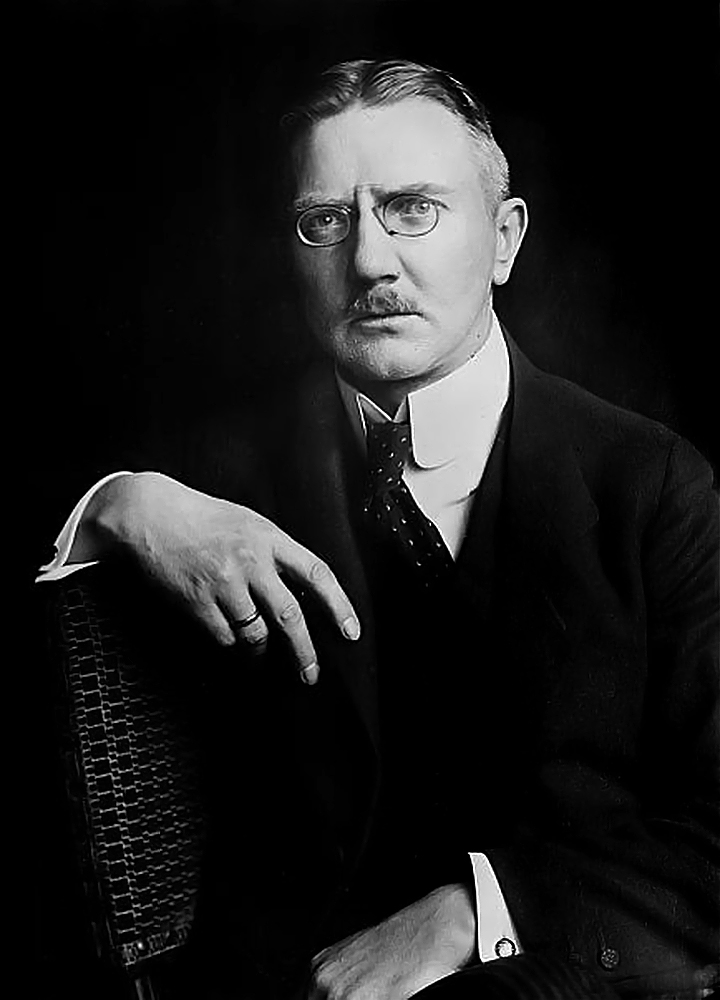
Hjalmar Horace Greeley Schacht (22 January 1877 – 3 June 1970) was a prominent German banker, economic policymaker and public official. He is best known for helping to end the hyperinflation of the early 1920s and for serving at the head of Germany's central bank and later in the economic administration of the Third Reich. Schacht combined technical banking skill with political influence, a mix that made him both influential and controversial.
Image gallery
9 Images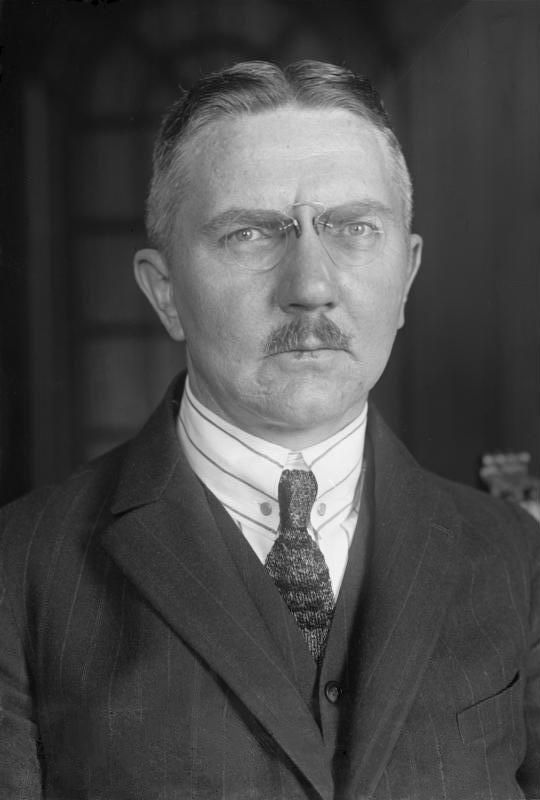




Career and economic policies
During the turbulent years of the Weimar Republic, Schacht played a central role in stabilizing the German currency and restoring confidence in the banking system. As a central banker and senior financial official he introduced measures that re-established a functioning medium of exchange and improved fiscal credibility. He later used innovative financing instruments to support large-scale public spending and industrial expansion, which were widely discussed in contemporary policy circles.
Role under the Nazi regime
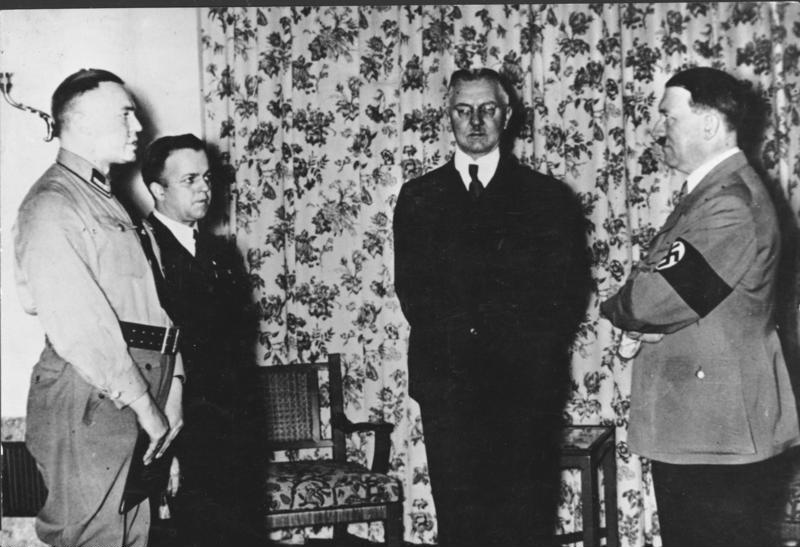
After the Nazis came to power Schacht accepted roles in the government, serving as a high-level political appointee and as a minister. He held the office of minister responsible for economic matters and was commonly associated with the administration of national economic policy during the 1930s. His tenure included cooperation with industrial leaders and the state to pursue recovery and rearmament, though he later clashed with other leaders over fiscal methods and priorities.
Notable measures and controversies
- Currency stabilization and banking reform, widely credited with bringing order after hyperinflation.
- Use of off‑balance financing techniques to support government programs and rearmament.
- Close ties to industry and fluctuating political standing within the Nazi hierarchy, leading to eventual dismissal from top posts.
Arrest, trial and later life
Following wartime events and plots against the Nazi leadership, Schacht's relationship with the regime deteriorated; he was briefly detained in 1944. After Germany's defeat he was among the twenty‑four principal defendants at the Nuremberg Trials. Unlike several others, he was acquitted of war crimes. In subsequent decades he published memoirs, advised on financial matters and remained a contested figure in histories of the period.
Legacy and distinctions
Schacht is remembered both as a skilled central banker and as a figure whose cooperation with an authoritarian regime raises moral and historical questions. His middle names reflect a transatlantic influence: he was given his middle names in honor of the American politician Horace Greeley. Historians continue to debate whether his financial innovations helped stabilize Germany or whether they also enabled policies with far-reaching and destructive consequences.
For further reading, consult specialist biographies and economic histories that examine his policies, methods and the political choices that shaped his career.
Related articles
Author
AlegsaOnline.com Hjalmar Schacht Leandro Alegsa
URL: https://en.alegsaonline.com/art/44560