
Hojatollah Khatib: Iranian sports administrator and club chairman
Overview of Hojatollah Khatib (1954–2015), an Iranian sports administrator who led Persepolis Athletic and Cultural Club and held leadership roles in wrestling; his career and legacy.
Hojatollah Khatib (Persian: حجتالله خطیب; 1954 – 26 April 2015) was an Iranian sports administrator known for leadership roles in club and wrestling governance. He is most widely recognized for his tenure at a major Tehran-based multisport organization and for involvement in wrestling administration, a sport with deep cultural roots in Iran. Accounts of his career appear in contemporary Iranian sports reporting and organizational records.
Image gallery
2 Images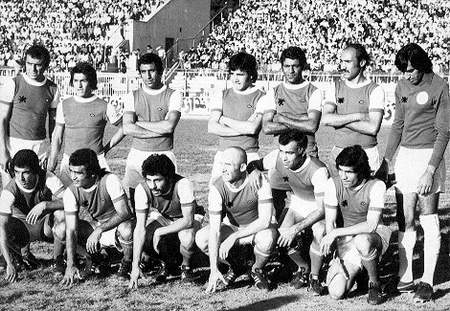

Career and principal roles
Khatib worked in sports management during a period of significant activity for Iranian club football and national-level wrestling. He served as chairman of the Persepolis Athletic and Cultural Club, a large multisport institution based in Tehran, from July 2004 until December 2005. Persepolis is one of Iran's most prominent clubs, with departments covering football, futsal and other sports, and its leadership often attracts public attention.
In addition to his work with club administration, Khatib held leadership positions in wrestling administration. Wrestling is a traditional and highly popular sport in Iran, and those who take administrative posts play an important role in athlete development, competition organization and international representation. Reports describe him as having been a wrestling president in the national sports structure or in affiliated bodies, reflecting his engagement across more than one sporting discipline.
Roles and responsibilities
- Chairman of a major Tehran multisport club, overseeing sporting and organizational matters (Persepolis Athletic and Cultural Club).
- Senior figure in wrestling administration, involved with governance of the sport (wrestling).
- Participant in the broader network of Iranian sports executives and club officials (sports administration).
Legacy and death
Khatib's time in prominent posts coincided with a dynamic era for Iranian club football and for international wrestling competition. His work is remembered in discussions of Persepolis' organizational history and in accounts of wrestling governance. He died in Tehran on 26 April 2015 at the age of 61 after a battle with cancer, a fact reported in Iranian media at the time (cancer). Obituaries and retrospective pieces noted his contribution to sports administration and the challenges of running large, high-profile clubs in Iran.
While not a widely known figure outside Iranian sporting circles, Khatib's career illustrates the interconnection between club management and national sports structures in Iran, and the importance of administrators in sustaining both team-based and individual sports.
Related articles
Author
AlegsaOnline.com Hojatollah Khatib: Iranian sports administrator and club chairman Leandro Alegsa
URL: https://en.alegsaonline.com/art/44699
Sources
- tehrantimes.com : "Former Iran's Wrestling Federation president Khatib dies"