
Hod Stuart (William Hodgson Stuart)
Canadian ice hockey defenceman (1879–1907), one of the early professional game's top players; Stanley Cup champion with the Montreal Wanderers and an inaugural Hockey Hall of Fame inductee.
Overview
William Hodgson "Hod" Stuart (February 20, 1879 – June 23, 1907) was a Canadian ice hockey player widely regarded in his day as one of the finest defenders. Playing in the transition from amateur to paid sport, Stuart spent nine seasons with several clubs across the emerging professional circuits. He is best known for helping the Montreal Wanderers capture the Stanley Cup in 1907 and for his untimely death a few months later, which prompted the first recorded benefit all-star game in hockey history.
Image gallery
7 Images




Playing position and style
Stuart played at the point position, the role now described as a defenceman. Contemporary accounts praised his skating, positional sense and steady defensive play. He combined physical play with good puck control for the era and was often assigned the task of organizing the back end and beginning breakouts. His approach exemplified the defensive responsibilities of early organized hockey, when systems were informal but individual reliability was highly valued.
Career and leagues
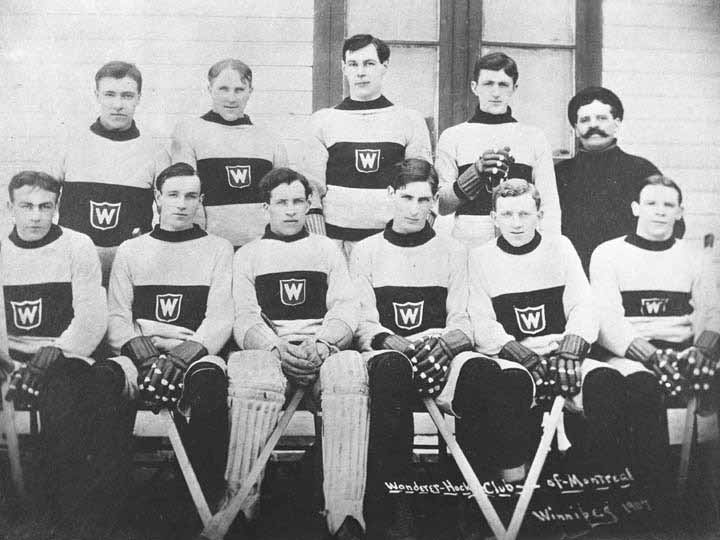
Stuart began his career in organized hockey at a time when the sport was shifting toward professionalism. He and his brother Bruce both played in the International Professional Hockey League, the first fully professional league, helping to establish the model of paid players and inter-city competition. Over nine seasons his career took him to multiple teams and leagues, and for a short period he also played Canadian football with the Ottawa Rough Riders, reflecting a common practice of athletes competing in more than one sport in that era. His final season was spent with the Montreal Wanderers, a dominant team in early Canadian hockey.
1907 championship and sudden death
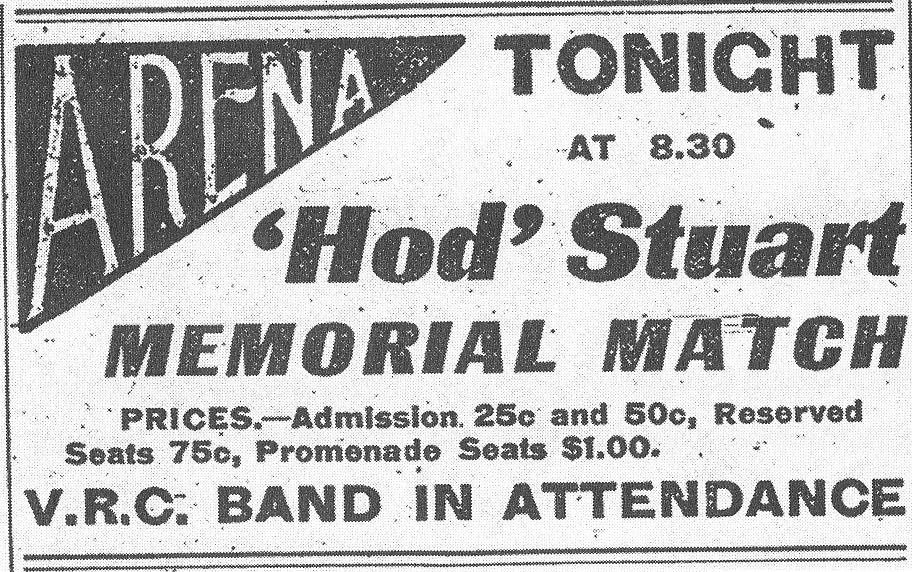
In 1907 Stuart was a member of the Montreal Wanderers when they held the Stanley Cup, the trophy awarded to the top team in Canada at the time. Only months after that season ended, Stuart died in a diving accident, shocking the hockey community. The Wanderers organized a benefit game to raise money for his surviving family; the match was notable in hockey history as an early — and by many accounts the first — all-star style exhibition intended to honor a fallen player and support his dependants.
Legacy and honours
Stuart's reputation as one of the leading defenders of his era endured long after his death. When the Hockey Hall of Fame elected its initial class in 1945, he was among the first twelve inductees, recognized for his contributions to the early professional game. His brother Bruce Stuart was later inducted as well. The benefit all-star game organized after Hod Stuart's death is remembered as a precedent for later benefit and all-star matches and as a cultural milestone showing hockey's growing public profile and community spirit.
Notable facts
- Often called "Hod," a common diminutive of Hodgson, he was born in 1879 and died in 1907.
- He helped establish the role of a reliable defensive point in early hockey tactics.
- He and his brother played in the first professional hockey league, the IPHL, helping to professionalize the sport.
- His death prompted a benefit game that is commonly cited as the first hockey all-star event.
- Stuart was among the inaugural group inducted into the Hockey Hall of Fame; his career remains a reference point for the sport's early development.
For more detailed sourcing and team histories, see contemporary accounts of early professional hockey and institutional records of the clubs and leagues of the period. Additional background on early Stanley Cup contests and benefit matches can provide wider context for Stuart's place in hockey history.
Professional ice hockey and its early stars like Hod Stuart helped transform a regional pastime into a structured sport with paying audiences and formal championships.
Questions and answers
Q: Who was William Hodgson Stuart?
A: William Hodgson Stuart was a Canadian professional ice hockey defenceman who played for different teams in different leagues and briefly played with the Ottawa Rough Riders football team.
Q: How long did Stuart play ice hockey?
A: Stuart played ice hockey professionally for nine seasons.
Q: With whom did Stuart play in the first professional ice hockey league?
A: Stuart played in the first professional ice hockey league with his brother Bruce.
Q: What is the Stanley Cup?
A: The Stanley Cup is the trophy awarded to the best ice hockey team.
Q: What position did Stuart play in ice hockey?
A: Stuart played defence (or point), which is a position in ice hockey responsible for protecting the team's goal.
Q: How did Stuart die?
A: Stuart died in a diving accident a few months after helping the Montreal Wanderers win the Stanley Cup.
Q: What was the significance of the all-star game hosted by the Wanderers?
A: The all-star game hosted by the Wanderers was the first ever all-star game played, and it was played to raise money for Stuart's family after his death.
Related articles
Author
AlegsaOnline.com Hod Stuart (William Hodgson Stuart) Leandro Alegsa
URL: https://en.alegsaonline.com/art/44629