
Horace Greeley: 19th-Century American Editor, Reformer, and Politician
Horace Greeley (1811–1872) was a leading American newspaper editor and political reformer whose New-York Tribune shaped public debate and helped form 19th-century political movements.
Horace Greeley was an influential American newspaper editor, reformer, and political figure of the mid-19th century. As founder and longtime editor of the New-York Tribune, he turned journalism into a platform for argument and advocacy rather than detached reporting. Greeley used his paper to support causes and political parties he believed would advance social and economic reform, helping to shape debates about slavery, labor, westward expansion, and economic policy.
Image gallery
10 Images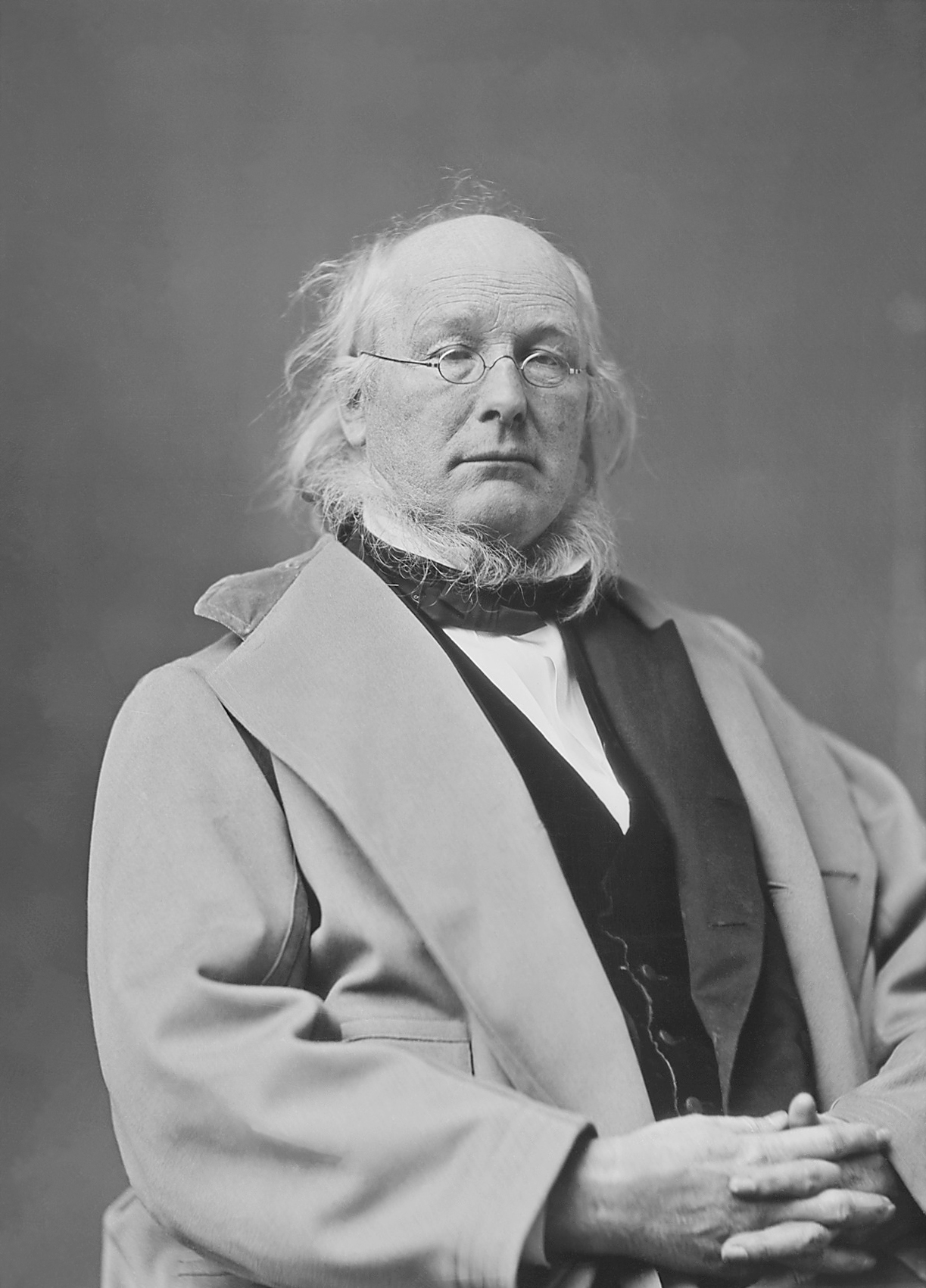




Early life and career
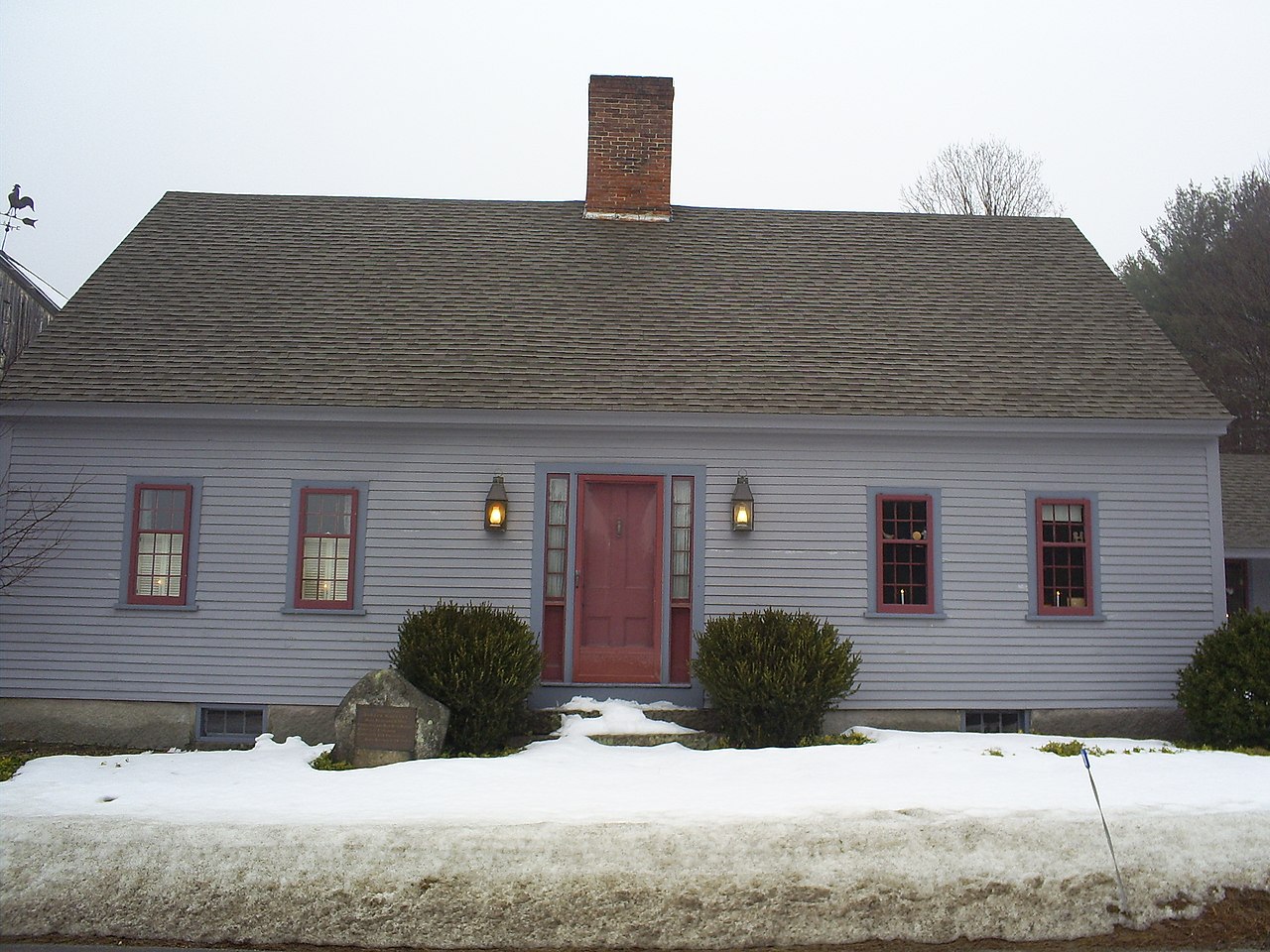
Born in 1811, Greeley rose from modest beginnings to become a prominent voice in American public life. He trained as a printer and launched his career in newspapers before establishing the New-York Tribune in the early 1840s. Through energetic editorial work and a network of correspondents, the Tribune grew into one of the most widely read and influential papers of its era. Greeley briefly served in elective office as well, bringing his journalistic perspective directly into politics.
Journalism and political influence
Greeley believed a newspaper should persuade readers through argument and moral appeal. He rejected purely sensational reporting and criticized practices that prioritized shock over substance. Under his leadership the Tribune championed the Whig Party in its earlier years and later aligned with the newly formed Republican movement, using editorial pages to promote policies on tariffs, economic development, and opposition to the spread of slavery. His style blended practical reform proposals with moral rhetoric, making the paper a force in national politics from the 1840s through the Civil War era.
Causes and positions
- Abolition and slavery: The Tribune became an important forum for anti-slavery and Free Soil viewpoints.
- Economic policy: Greeley supported internal improvements and policies aimed at fostering industry and agriculture.
- Social reform: He advocated temperance, labor rights, and education reforms while encouraging Western settlement as a solution to social pressures.
Many reformers and political leaders read the Tribune, and Greeley’s opinions often moved party platforms and public sentiment. He became a target for critics who preferred a strictly neutral press; Greeley replied that journalism could—and should—advance truth and public welfare.
1872 presidential campaign and legacy
In 1872 Greeley was nominated by a coalition of dissident Republicans and by the Democratic Party as a challenger to the incumbent president, Ulysses S. Grant. His candidacy was an attempt to unify several strains of opposition to Grant’s administration, but it ended in a decisive defeat. He died in late 1872, shortly after the election campaign, and left a mixed legacy: celebrated for elevating public discourse and criticized for mixing opinion with news.
Notable facts and common misconceptions
- Greeley is often associated with the maxim "Go west, young man," a phrase frequently credited to him though its exact origin and wording are debated.
- He opposed sensationalist journalism and is commonly contrasted with later yellow‑press figures such as Joseph Pulitzer, even though their careers did not primarily overlap.
- He promoted the Whig cause in earlier decades and later supported the emerging Republican coalition while maintaining relationships with other political groups, including the Whig establishment of his younger years.
Readers interested in primary writings and contemporary accounts can consult collections of Tribune editorials and biographies for deeper research. Greeley’s life illustrates the power and limits of partisan journalism in shaping policy and public opinion during a turbulent era of American history. For further context see references on his editorial approach (newspaper, press), his role as an editor and reformer, and how his political activities intersected with 19th-century party politics.
Related articles
Author
AlegsaOnline.com Horace Greeley: 19th-Century American Editor, Reformer, and Politician Leandro Alegsa
URL: https://en.alegsaonline.com/art/120691