
August Heinrich Hoffmann von Fallersleben — German poet and songwriter
Biographical summary of August Heinrich Hoffmann von Fallersleben (1798–1874), author of the German national anthem text and many enduring children's songs, with notes on his life and legacy.
August Heinrich Hoffmann, who published under the name Hoffmann von Fallersleben, was a prominent German literary figure born on April 2 (1798) and who died on January 19 (1874). He combined scholarship, poetry and song-writing in a career that left a lasting mark on German-language culture. He is best known for the lyric that became the basis of Germany’s national anthem and for a large number of songs for children and for public life.
Image gallery
5 Images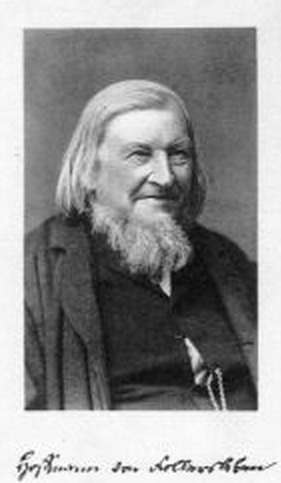


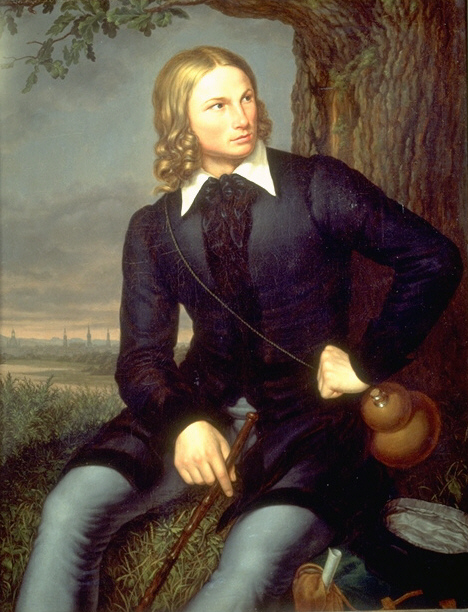
Work and notable texts
Hoffmann von Fallersleben wrote both occasional political poems and short lyrical pieces intended for popular use. His most widely recognized text is the poem commonly called "Das Lied der Deutschen," composed in 1841; its melody was set separately and later became associated with the modern German national anthem. In addition to political and patriotic verse, he produced many short songs and verses that entered the everyday repertoire of German-speaking households and schools.
Children's songs and collections
He wrote or compiled numerous verses for children that remain well known. These pieces were often simple, tuneful and rooted in folk-music traditions; they helped shape 19th-century approaches to childhood education and popular song. Examples of his influence include nursery and school songs still sung today. His interest in vernacular verse also led him to collect and publish folk material, supporting the broader movement to preserve regional song traditions.
Academic life and politics
Trained as a scholar, Hoffmann von Fallersleben worked in university settings and published on language and literature. His liberal political views and nationalist sympathies brought him into conflict with conservative authorities of his time. Some of his political poems provoked criticism and official disciplinary measures; as a result, he experienced professional setbacks connected to his public stance on constitutional and national issues.
Legacy and distinctions
Two elements of Hoffmann von Fallersleben’s legacy are especially prominent: his authorship of the words that provided the text for the German national anthem, and his lasting contribution to the repertoire of children’s songs in German culture. The name element "von Fallersleben" comes from the place associated with him and became the form by which he is commonly remembered. Scholars and readers continue to study his work for both its literary qualities and its role in 19th-century political and cultural movements.
Further reading and resources
- Biographical overviews and collected poems — general introductions to his life and writings.
- Chronologies of key dates — timelines of major events in his life.
- Selections of children's songs and folk collections — anthologies where his contributions appear.
- Studies of political verse and 19th-century reception — analyses of the controversies that surrounded some of his work.
- Cultural-historical context — materials placing him within the German literary and national movements of his era.
Hoffmann von Fallersleben remains a figure of mixed reputation: celebrated for his durable songs and remembered for the political edge of other writings. His work illustrates how lyric and song in the 19th century could be both intimate (children’s verse) and public (national and political verse), and why poets of that era often moved between scholarly, pedagogical and political spheres.
Related articles
Author
AlegsaOnline.com August Heinrich Hoffmann von Fallersleben — German poet and songwriter Leandro Alegsa
URL: https://en.alegsaonline.com/art/44657