
Encyclopædia Britannica
A concise, balanced account of the Encyclopædia Britannica: its scope, editorial structure, historical development from print to digital, uses, and distinguishing features.
Overview
The Encyclopædia Britannica is a long-established general encyclopedia in the English language, founded in Edinburgh in the late 18th century. It has been produced as a multi-volume printed reference for most of its history and, since the early 21st century, as a digital service. The work aims to provide authoritative, concise summaries of topics across the sciences, arts, humanities and current affairs for educated readers, and it is widely cited in libraries, schools and professional contexts.
Image gallery
10 Images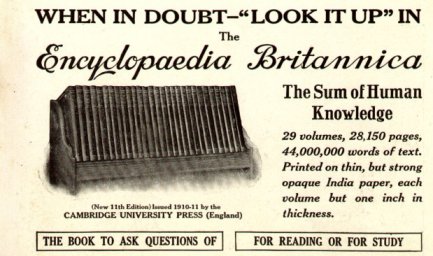




Structure and editorial model
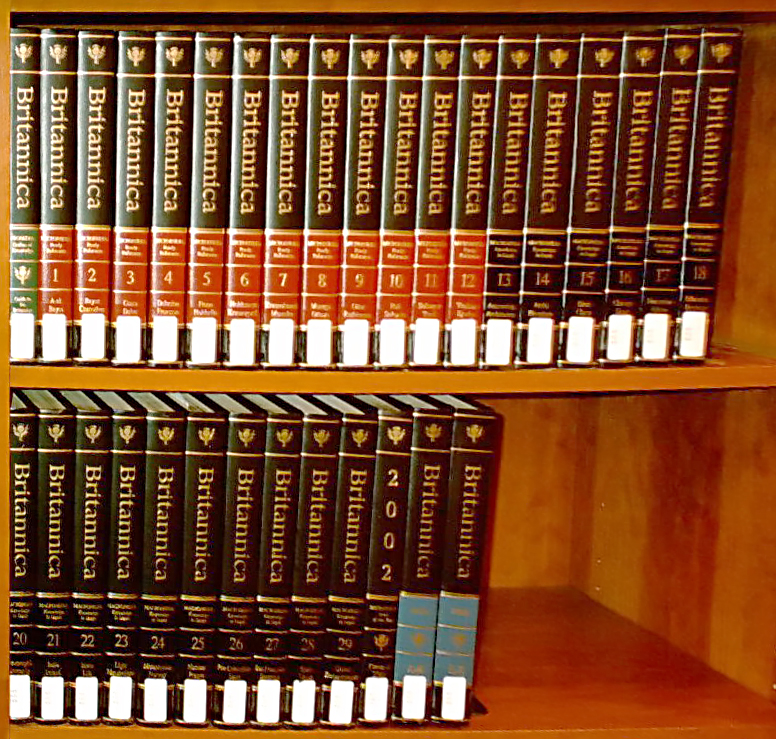
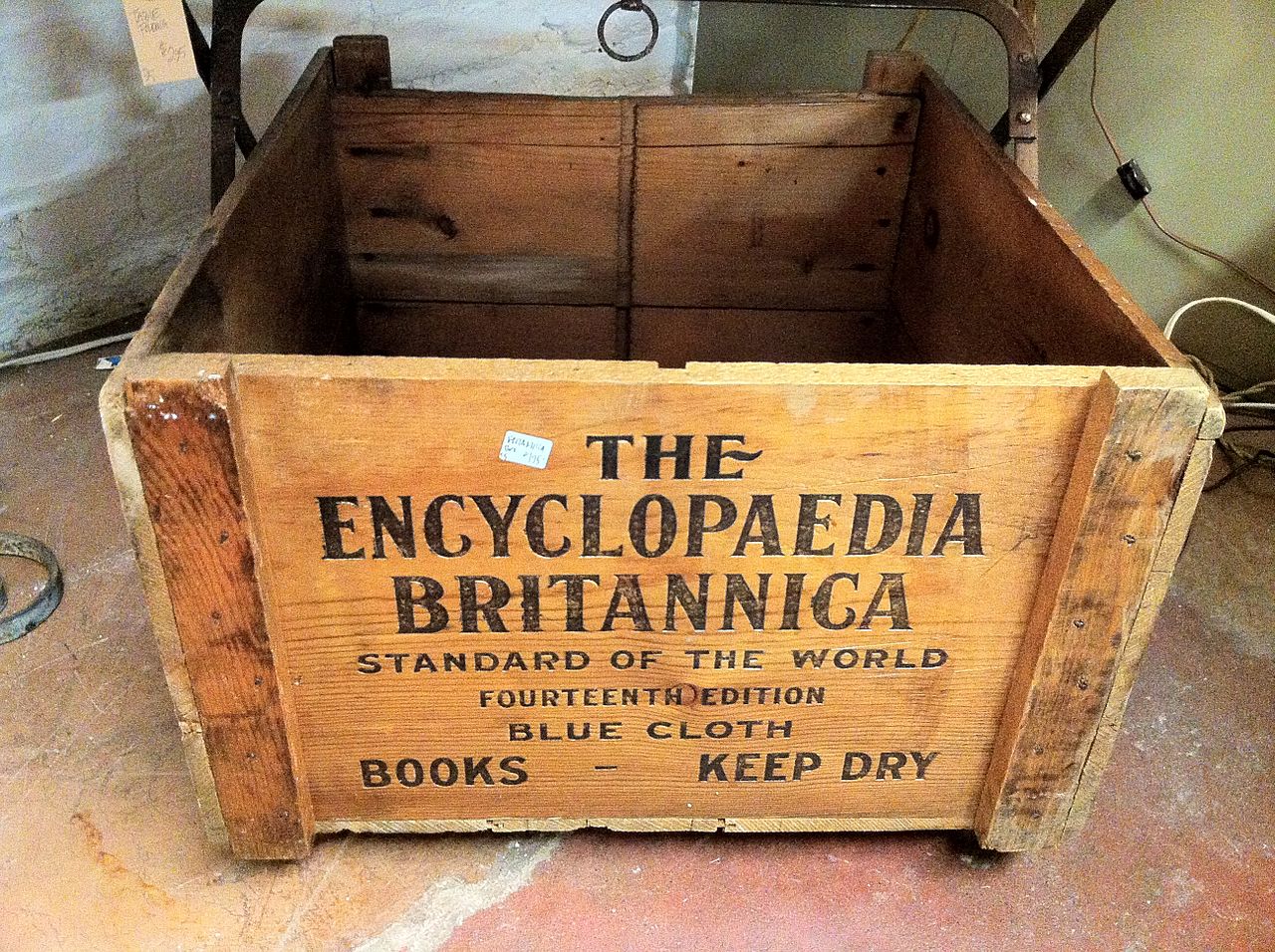
Traditionally, the Britannica’s print editions were organized into a set of large volumes containing alphabetically arranged articles. A hallmark of its later print format was a layered structure that distinguished short, quick-reference entries from long, signed treatises written by recognized specialists. Editorial control rested with professional editors who commissioned and revised material contributed by subject-matter experts. This editorial model emphasizes accuracy, readability and accountability: articles are reviewed, edited and attributed to named contributors rather than being anonymously crowdsourced.
History and development
First published in Edinburgh between 1768 and 1771, the Britannica grew from a small three-volume work into a comprehensive reference spanning many volumes by the 19th and 20th centuries. Over successive editions it expanded both in length and ambition, adapting its presentation and organization to changing expectations of scholarship and pedagogy. In the late 20th century Britannica began issuing electronic versions on CD-ROM and then transitioned to an online subscription model. In the early 2010s the company announced it would cease producing the multi-volume printed edition and focus on the digital product, reflecting the shift in how readers access reference information.
Editions, components and formats
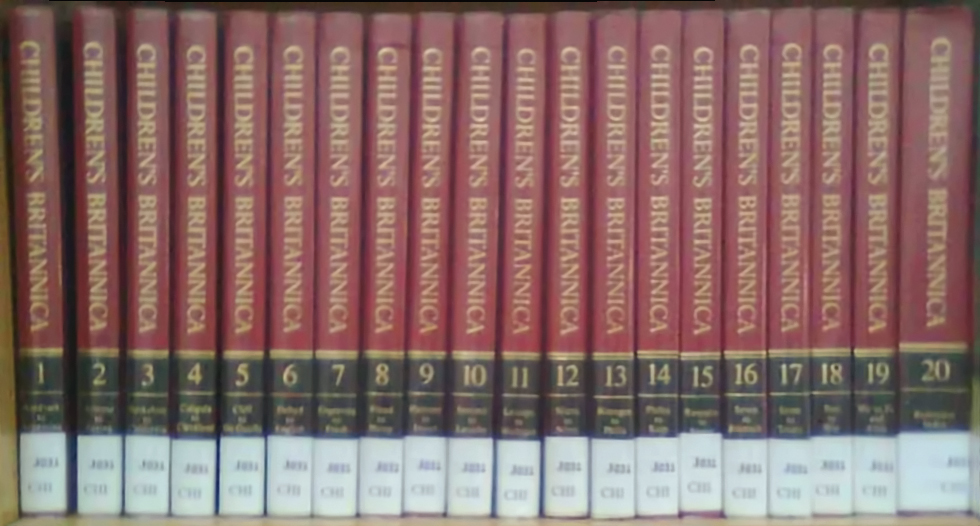
A notable configuration of the Britannica divided material into components that served different needs: short, rapidly consultable entries for quick fact-checking and longer, in-depth articles that provided comprehensive surveys of major topics. Some editions also included supplementary volumes such as indexes or thematic outlines designed to help readers navigate a large body of knowledge. Over time the Britannica has been issued in many formats — printed volumes, single-volume abridgements, editions aimed at younger readers, CD-ROMs, and an online platform that is regularly updated.
Uses, reputation and comparison with other references
Encyclopædia Britannica has been used as a reference source in educational institutions, reference libraries and by professionals who need concise, reviewed summaries. Its editorial approach—commissioned articles by named authorities and an established editorial staff—contrasts with open collaborative projects that allow broad public editing. While free, crowd-edited projects have become the most widely consulted references online, Britannica is often noted for its emphasis on editorial oversight and vetted authorship.
Notable facts and distinctions
The Britannica is among the oldest continuously published English-language encyclopedias. Its evolution from a printed set of volumes to a primarily digital service exemplifies the broader change in how reference information is produced and consumed. The work has also issued versions for different audiences and periodically published yearbooks or updates to summarize recent developments. Its long history reflects ongoing tensions facing reference publishers: maintaining authoritative content while adapting to new business and distribution models.
Resources and further reading
- Encyclopædia Britannica — general information
- Publisher and corporate history
- Language and editorial style
- Print editions and format notes
- Digital and CD-ROM releases
- Volume arrangements and indexing
- Sample articles and contributors
- Alphabetical organization
- Comparisons with other reference works
- Supplementary components (e.g., outlines)
- Classification and knowledge organization
- Long-form articles and surveys
- Short entries and quick-reference sections
- Examples of extended articles
- Guidance for readers seeking depth
- Intended audience and educational use
- Origins in Edinburgh
- Scottish publishing context
- Ownership and international history
- Economic and business challenges for print encyclopedias
Questions and answers
Q: What language is the Encyclopædia Britannica written in?
A: The Encyclopædia Britannica is written in British English.
Q: How many books does the last edition of the encyclopaedia have?
A: The last edition of the encyclopaedia has 29 books, plus two indexes.
Q: What are the two parts that make up the encyclopaedia?
A: The encyclopaedia is made up of a Macropædia and a Micropædia.
Q: How long are articles in the Macropædia typically?
A: Articles in the Macropædia can be as long as 300 pages.
Q: Who writes articles for the Encyclopædia Britannica?
A: Articles for the Encyclopædia Britannica are written by about 100 full-time editors and over 4,000 expert contributors.
Q: When was it first published?
A: The Encyclopædia Britannica was first published between 1768 and 1771 in Edinburgh, Scotland.
Q: What happened to printed editions after 2010?
A: After 2010, printed editions of the Encylopaedic Britaninca went out of print and focus shifted to its online version instead.
Tags
Related articles
Author
AlegsaOnline.com Encyclopædia Britannica Leandro Alegsa
URL: https://en.alegsaonline.com/art/31353
Sources
- csmonitor.com : "Encyclopaedia Britannica: After 244 years in print, only digital copies sold"
- news.bbc.co.uk : "Encyclopaedia Britannica changes to survive"
- lccn.loc.gov : 91-61165
- lccn.loc.gov : 58-8379
- eb.com : "Encyclopædia Britannica: School & Library Site, promotional materials for the 2007 Britannica"
- britannica.com.au : "Australian Encyclopædia Britannica, promotional materials for the 2007 Britannica"
- britannicashop.britannica.co.uk : "2003 Britannica Concise Encyclopedia"
- britannicashop.britannica.co.uk : "2007 Compton's by Britannica"
- britannicashop.britannica.co.uk : "Britannica Discovery Library (issued 1974–1991)"
- britannicashop.britannica.co.uk : "2007 Ultimate Reference Suite DVD"
- britannica.com : "Britannica Online"
- britannica.co.uk : "Britannica Online Store—BT Click&Buy"
- britannica.com : "Instructions for linking to the Britannica articles"
- mirror99.com : "Encyclopaedia Britannica Selects AskMeNow to Launch Mobile Encyclopedia"