
Hindutva: ideology, history and political influence
Hindutva is a form of cultural nationalism originating in India that links politics, religion, and identity. This article explains its origins, core ideas, key organizations, political role, and the debates surrounding it.
Overview
Hindutva, literally meaning "Hinduness," is a modern political and cultural ideology that foregrounds a Hindu-centered identity in public life. It is commonly described as a form of nationalism focused on the idea that the Indian nation should reflect Hindu cultural norms. The term and many of its contemporary usages are associated with political developments in India.
Image gallery
2 Images
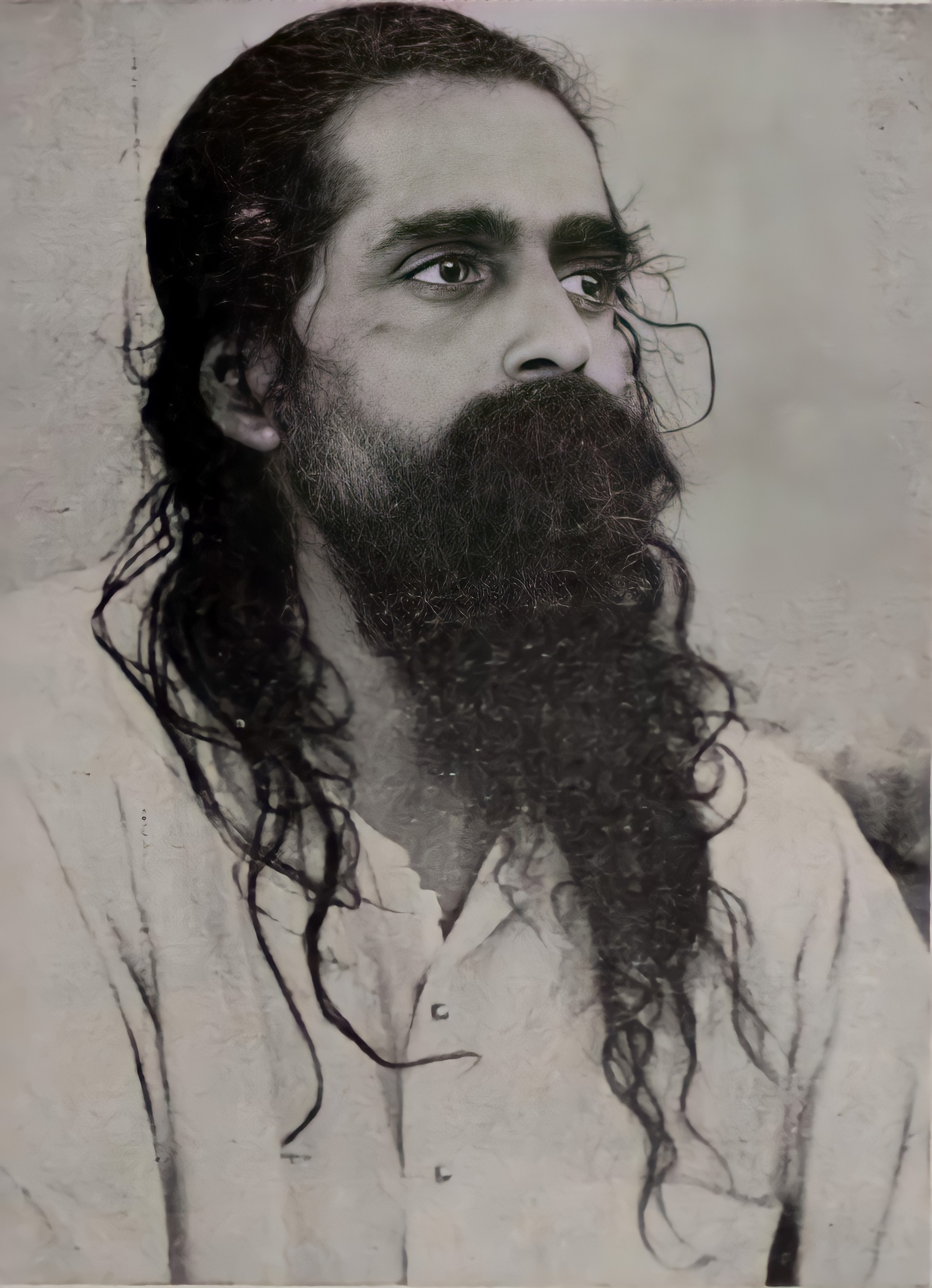
Origins and development
The word was popularized by Vinayak Damodar Savarkar in 1923, who used it to articulate a vision of national unity based on shared religious and civilizational traits. Over the twentieth century, the idea evolved through social movements, political organizations and public debate. Key organizations associated with the development and promotion of Hindutva include the Rashtriya Swayamsevak Sangh (RSS), the Bharatiya Janata Party (BJP), and related groups often collectively referred to as the Sangh Parivar.
Core elements and organizations
Hindutva emphasizes cultural unity, the primacy of Hindu cultural symbols in public life, and a historic view of India as a civilizational homeland of Hindu traditions. Organizations commonly associated with the ideology include:
- RSS — a volunteer organization that promotes social cohesion and cultural education;
- BJP — a major political party that draws on Hindutva-supporting constituencies;
- other groups such as the Vishva Hindu Parishad and umbrella networks often called the Sangh Parivar.
Political influence and examples
In practice Hindutva has influenced policy priorities, election politics and public debates about identity. Supporters present it as a corrective to perceived historical disadvantages and as a way to strengthen national coherence. Critics argue that it privileges Hindu cultural norms over other religions and minority rights, and caution about the effects on pluralism. The movement has been visible in campaigns and controversies over issues such as religious sites, social reforms and legislation affecting cultural practices.
Debates and distinctions
Observers disagree about labels and intent. Some describe Hindutva as a conservative or right-leaning current seeking to preserve cultural traditions and national unity, and link it to broader conservative politics. Others emphasize its political program and accuse it of promoting majoritarian policies. Scholars and commentators distinguish between Hindutva as a political ideology and Hinduism as a diverse religious tradition (Hinduism), noting that many Hindus do not identify with the political movement.
Notable facts and continuing importance
Hindutva remains a central factor in contemporary debates about Indian democracy, secularism and cultural policy. Its supporters and critics both shape public life, and its influence is visible in political rhetoric, legal contests and civic mobilization. Understanding Hindutva requires attention to historical roots, organizational networks and the ongoing conversations about identity, rights and the role of religion in public life.
Cultural contexts and nationalist narratives continue to evolve, and discussions about Hindutva draw on legal, historical and social analysis by scholars, journalists and participants.
Questions and answers
Q: What is Hindutva?
A: Hindutva is a kind of nationalism in India that considers Hinduism better than other religions and cultures.
Q: Who made the word Hindutva popular?
A: Vinayak Damodar Savarkar made the word Hindutva popular in 1923.
Q: What groups believe in Hindutva?
A: Groups that believe in Hindutva include the Rashtriya Swayamsevak Sangh (RSS), the Vishva Hindu Parishad (VHP), the Bharatiya Janata Party (BJP), and the Sangh Parivar.
Q: How is Hindutva described by some people?
A: Some people describe Hindutva as almost fascist.
Q: How do others describe Hindutva?
A: Others describe Hindutva as conservative.
Q: What does Hindutva believe about Hinduism?
A: Hindutva considers Hinduism better than other religions and cultures.
Q: What is the meaning of "Hinduness"?
A: "Hinduness" is the meaning behind the word Hindutva.
Related articles
Author
AlegsaOnline.com Hindutva: ideology, history and political influence Leandro Alegsa
URL: https://en.alegsaonline.com/art/44297
Sources
- thewire.in : "How Did Savarkar, a Staunch Supporter of British Colonialism, Come to Be Known as 'Veer'?"
- frontline.in : The Hindutva Road
- doi.org : 10.2307/3517631
- jstor.org : 3517631
- doi.org : 10.1080/014198700328935
- books.google.com : Gandhi's Philosophy and the Quest for Harmony