
Rashtriya Swayamsevak Sangh (RSS)
Indian volunteer organisation founded in 1925 promoting Hindu cultural nationalism (Hindutva); active in social work, education and politics and subject to controversy and debate.
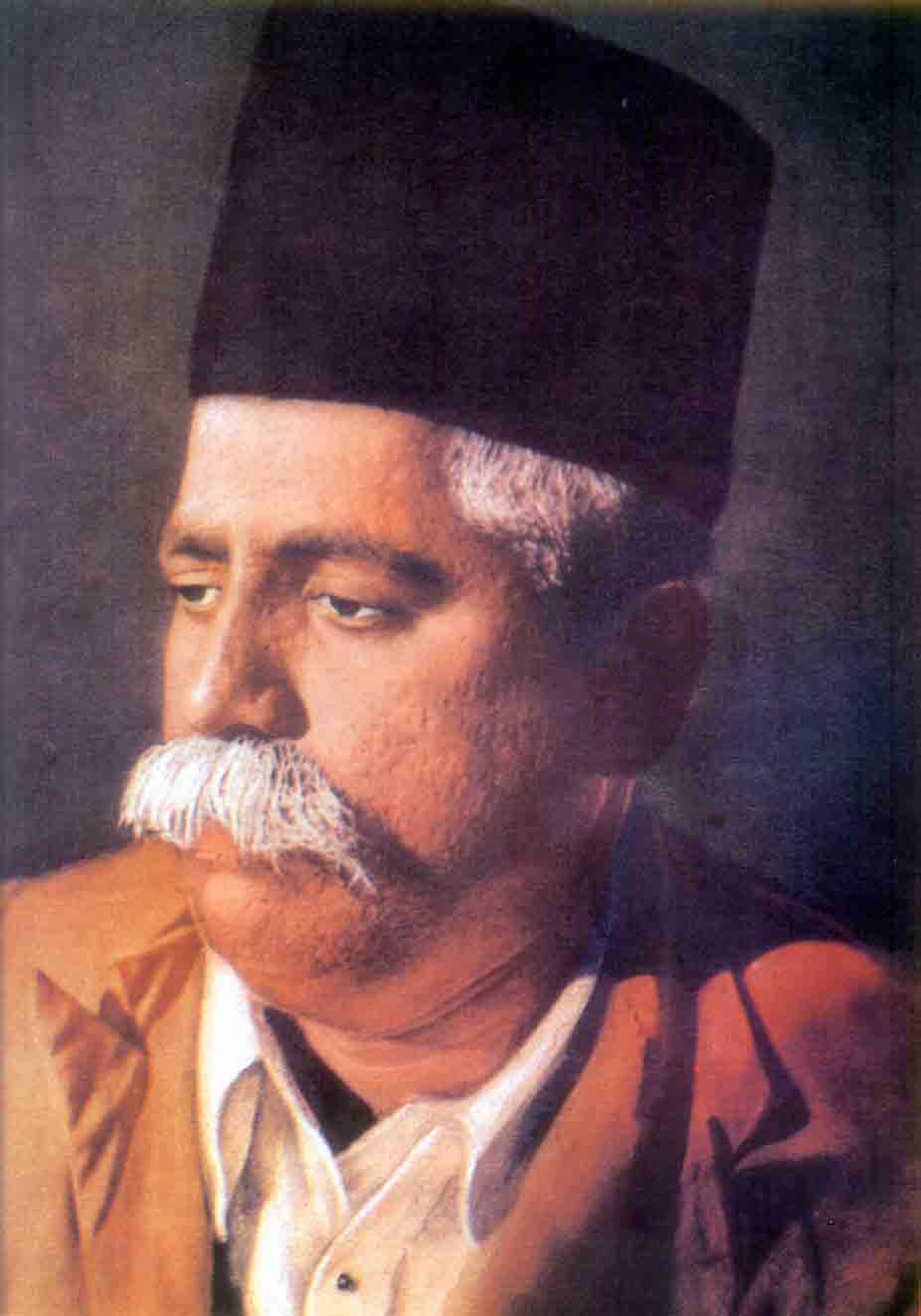
Rashtriya Swayamsevak Sangh (RSS) is a volunteer organisation founded in 1925 by Keshav Baliram Hedgewar with its headquarters in Nagpur, India. It describes itself as a cultural and social movement that seeks to promote what it calls the cultural unity and spiritual heritage of the Indian people. Over nearly a century it has grown into a large, organised network of local units and affiliated bodies.
Image gallery
10 Images





Structure and activities
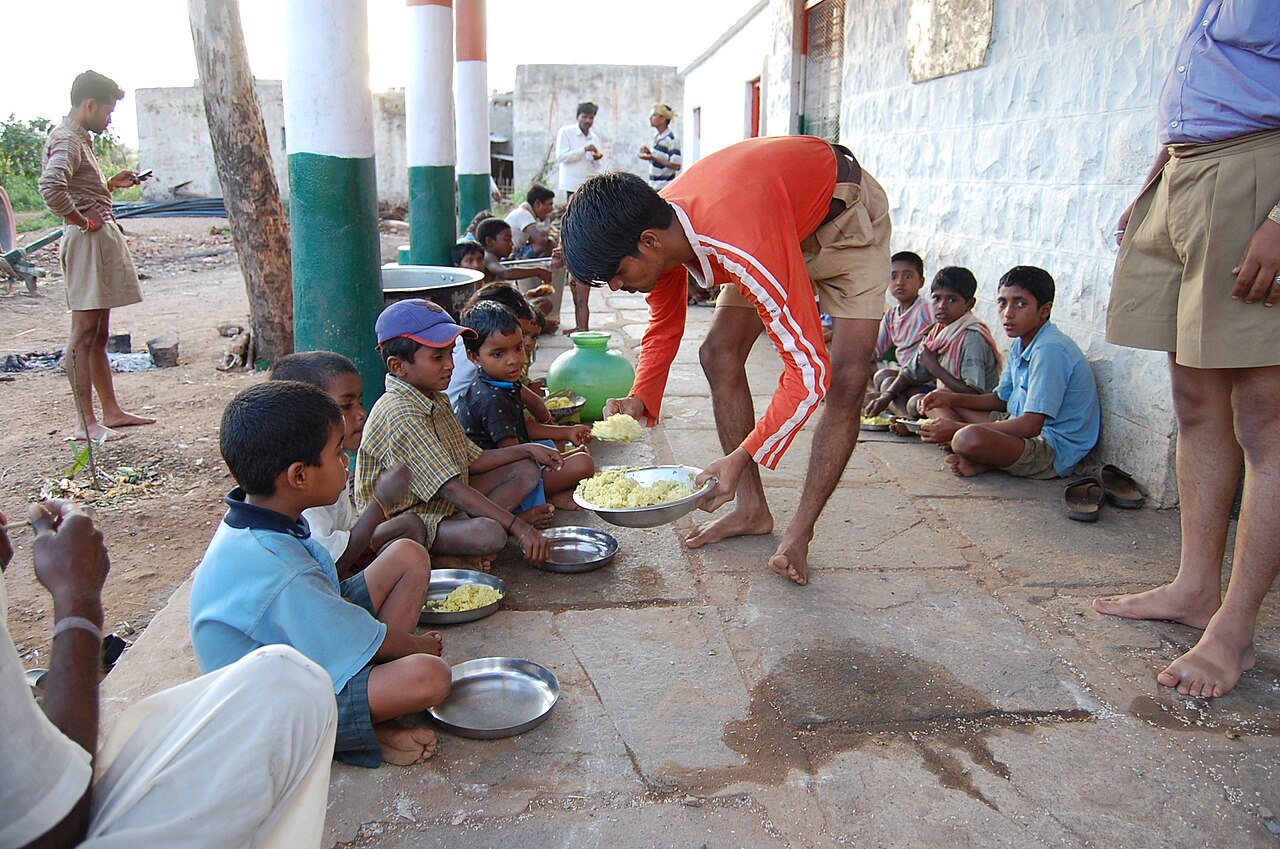
The RSS is organised around local daily or weekly meetings called "shakhas" in which participants, known as swayamsevaks, engage in physical drills, discussions and community activities. Full-time organisers are often called pracharaks. The organisation places emphasis on discipline, volunteerism and the promotion of Hindi and other cultural projects. It operates schools, charitable projects and relief efforts, and runs training programmes aimed at youth and community leaders.
Affiliates and public role
- The RSS is the nucleus of a broader network often termed the Sangh Parivar, which includes student, labour and religious organisations.
- Many political leaders and activists, notably within the Bharatiya Janata Party (BJP), have had connections with RSS institutions.
Supporters credit the RSS with large-scale volunteer mobilisation for disaster relief, education, and social welfare. Critics and scholars point to its promotion of Hindutva—an ideology linking Indian national identity with Hindu culture—as a central and contested aim.
History and controversies
The RSS was banned on several occasions in the twentieth century, including briefly after the assassination of Mahatma Gandhi in 1948; the organisation says it cooperated with authorities and has repeatedly denied involvement in violence. It remains a polarising presence in Indian public life: praised by adherents for social service and cultural revival, and criticised by opponents for alleged communalism and intolerance. Debates about its role in politics and society continue to shape coverage and scholarship on the organisation.
Related articles
Author
AlegsaOnline.com Rashtriya Swayamsevak Sangh (RSS) Leandro Alegsa
URL: https://en.alegsaonline.com/art/81233
Sources
- links.jstor.org : The RSS: Militant Hinduism