
Heterochrony: changes in developmental timing and their evolutionary effects
Heterochrony is the alteration in the timing or rate of developmental events. It explains many morphological differences between related species and is central to evolutionary developmental biology.
Heterochrony refers to any shift in the timing, rate, or duration of developmental processes that produces changes in an organism's morphology. The term—literally "different time"—is used across developmental biology and evolutionary studies to link changes in ontogeny to differences among adult forms. It can describe when a structure first appears during growth, how long it continues to develop, or when particular patterns of gene expression occur in overall development. By modifying timing rather than the underlying genome sequence itself, heterochrony can generate substantial morphological diversity.
Image gallery
6 Images


Core mechanisms and categories
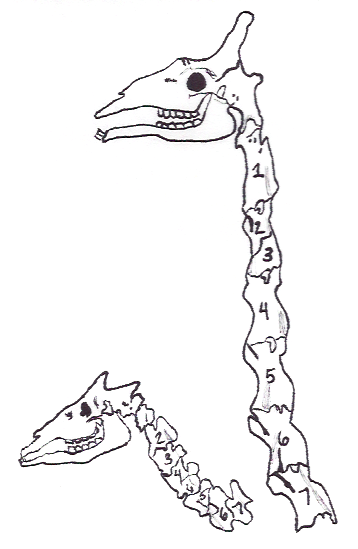
Biologists distinguish heterochronic change by which aspect of timing is altered: onset (when a process begins), offset (when it ends), and rate (how fast it proceeds). Two broad outcomes are commonly recognized:
- Paedomorphosis — the adult of a descendant retains juvenile traits of its ancestor. Subtypes include neoteny (slowed rate of development), progenesis (early termination of development), and postdisplacement (later onset of a developmental module).
- Peramorphosis — descendants develop beyond the ancestral adult condition, producing exaggerated or novel adult features. Subtypes include acceleration (faster rate), predisplacement (earlier onset), and hypermorphosis (extended duration).
History and conceptual development
The concept of heterochrony dates back to nineteenth-century morphology and was formalized by figures such as Ernst Haeckel. In the twentieth century Gavin de Beer highlighted its evolutionary importance in his book Embryos and Evolution, arguing that changes in developmental timing could produce large adult differences and might help explain gaps in the fossil record—a notion sometimes called clandestine evolution. Later thinkers including Stephen Jay Gould and many authors in the field of evo-devo built on these ideas to connect embryology with macroevolutionary patterns.
Biological examples and significance
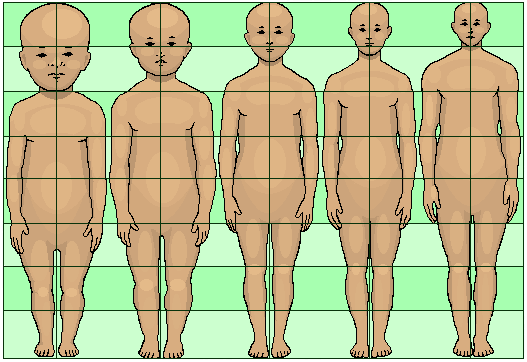
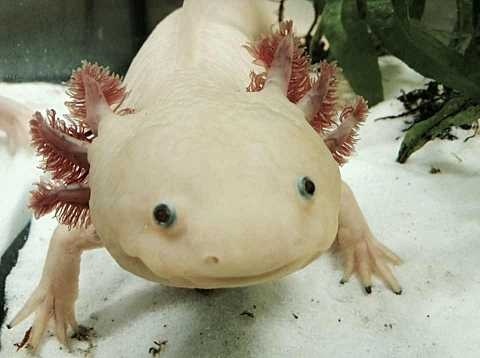
Heterochrony is invoked to explain many well-known comparisons between related species. The Mexican axolotl is a classic example: it retains larval gills and aquatic habits into reproductive maturity, a form of neoteny commonly linked to altered hormonal control of metamorphosis. Human cranial and facial proportions are often discussed as relatively juvenile compared with some other primates, an idea that attributes part of our distinct adult shape to heterochronic shifts. In plants, shifts in the timing of floral or leaf development produce variation in form and can be important in crop and horticultural diversity.
Mechanisms, research methods and applications
At the molecular level heterochrony can arise from changes in regulatory networks, hormonal signals, or the timing of key genes. Studies combine comparative embryology, experimental manipulation (for example altering endocrine cues), paleontological evidence and modern gene-expression profiling. Understanding heterochrony helps explain how modest regulatory changes yield large morphological outcomes and informs areas from conservation (preserving paedomorphic taxa) to breeding and developmental genetics.
Because timing is a flexible dimension of development, heterochrony remains a central explanatory tool linking changes in ontogeny to evolutionary innovation. For further background on the developmental and evolutionary context, see resources in developmental biology and evolution, and historical discussions such as those by Gavin de Beer and later reviewers. Comparative genomic and embryological studies continue to clarify how shifts in timing contribute to diversity across animals and plants.
Relevant reading and overviews are available through introductory texts and reviews in evo‑devo; for foundational perspectives also consult historical treatments and modern syntheses that examine how changes in the timing of development and gene expression have shaped morphological evolution across lineages. Additional discussions address how heterochrony interacts with other developmental processes to produce the range of forms preserved in the fossil record and observed among living species.
See also related topics in comparative embryology, regulatory evolution and life‑history change for links between developmental timing and ecological or behavioral consequences; general introductions are available through educational portals and review articles in evo‑devo literature (growth; genome evolution; experimental studies of genes and hormones).
For commentary on historical debates and interpretation of the fossil record, consult analyses by figures such as Gould and the earlier work of de Beer, which remain influential in how heterochrony is taught and applied.
Additional online and library resources can provide accessible introductions and case studies for readers new to the subject (developmental biology, evolution, and comparative analyses of development and morphology).
Related articles
Author
AlegsaOnline.com Heterochrony: changes in developmental timing and their evolutionary effects Leandro Alegsa
URL: https://en.alegsaonline.com/art/43952
Sources
- www3.interscience.wiley.com : Homology and heterochrony: the evolutionary embryologist Gavin Rylands de Beer (1899-1972)
- ualberta.ca : preprint