
Ernst Haeckel: German Naturalist, Biologist, and Artist (1834–1919)
German zoologist, illustrator and popularizer of evolution; known for detailed biological art, the biogenetic law, monism, and controversial influence on eugenic thought in Germany.
Overview
Ernst Haeckel (16 February 1834 – 9 August 1919) was a German biologist, naturalist and draftsman who played a major role in introducing evolutionary ideas to a broader audience in the late 19th century. Trained as a physician, he became a professor and prolific writer whose work combined scientific description with striking visual representations. Haeckel championed Darwinian evolution in Germany and developed concepts and terms that shaped biological discussion for decades. He publicly identified as an atheist and later left the Lutheran church; his philosophical stance is often described as monism.
Image gallery
10 Images




Scientific contributions and concepts
Haeckel made many contributions to comparative anatomy, embryology and taxonomy. He described and illustrated numerous marine organisms — especially radiolarians and other microscopic forms — and proposed classifications that helped organize biological diversity. Several technical terms he introduced are still familiar in biology.
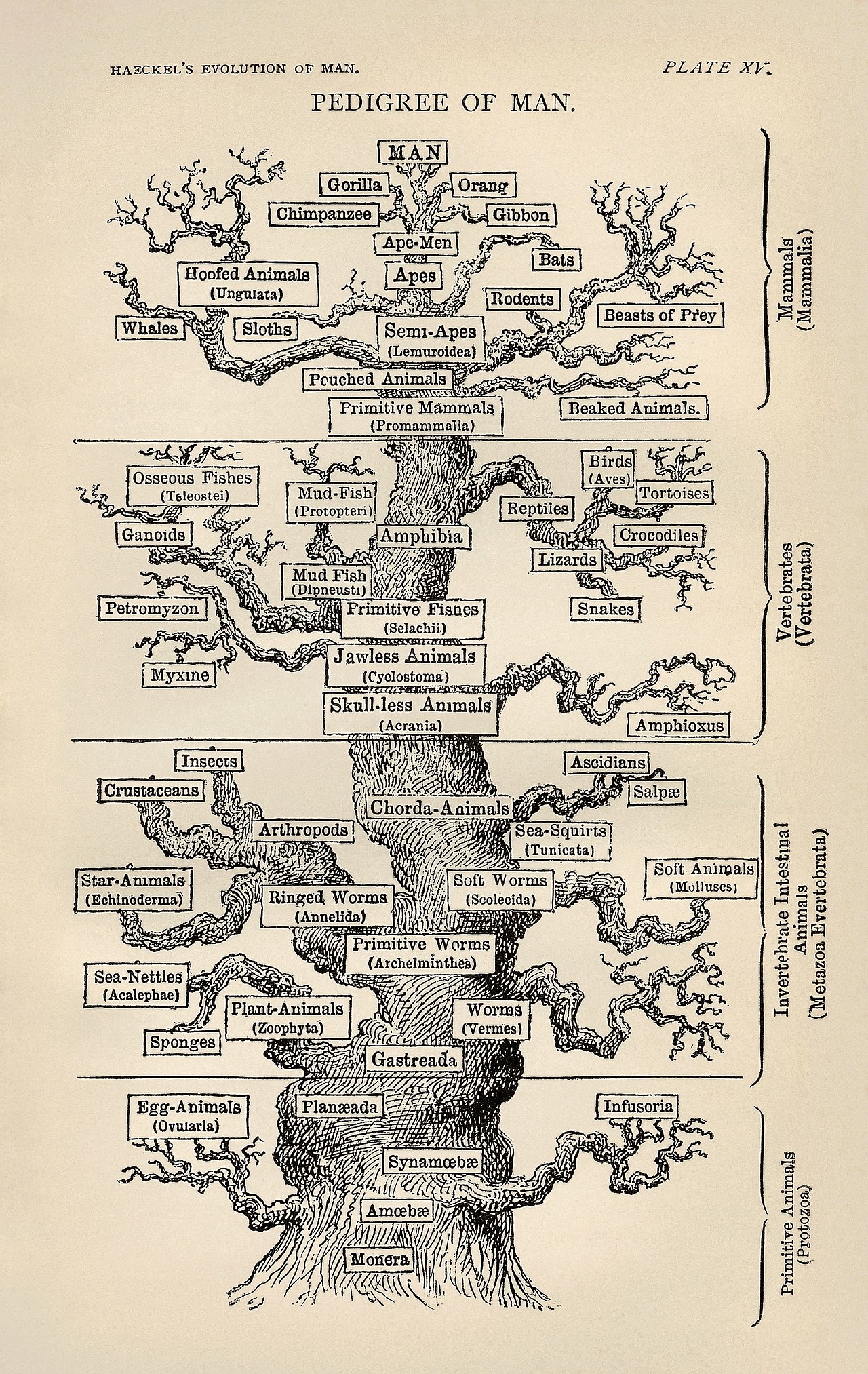
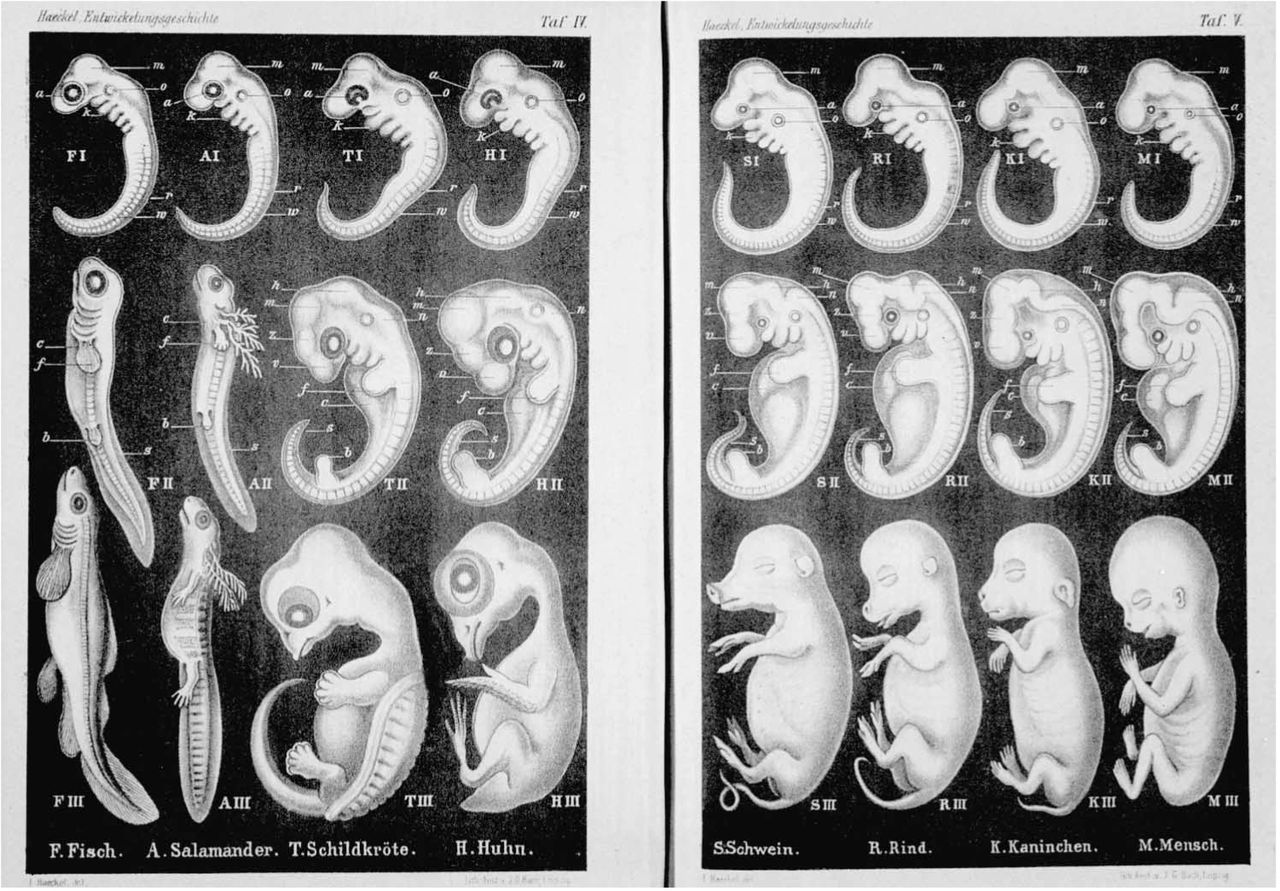
- Key concepts: phylogeny, ontogeny, and the so-called "biogenetic law" (a summary idea that ontogeny reflects phylogeny).
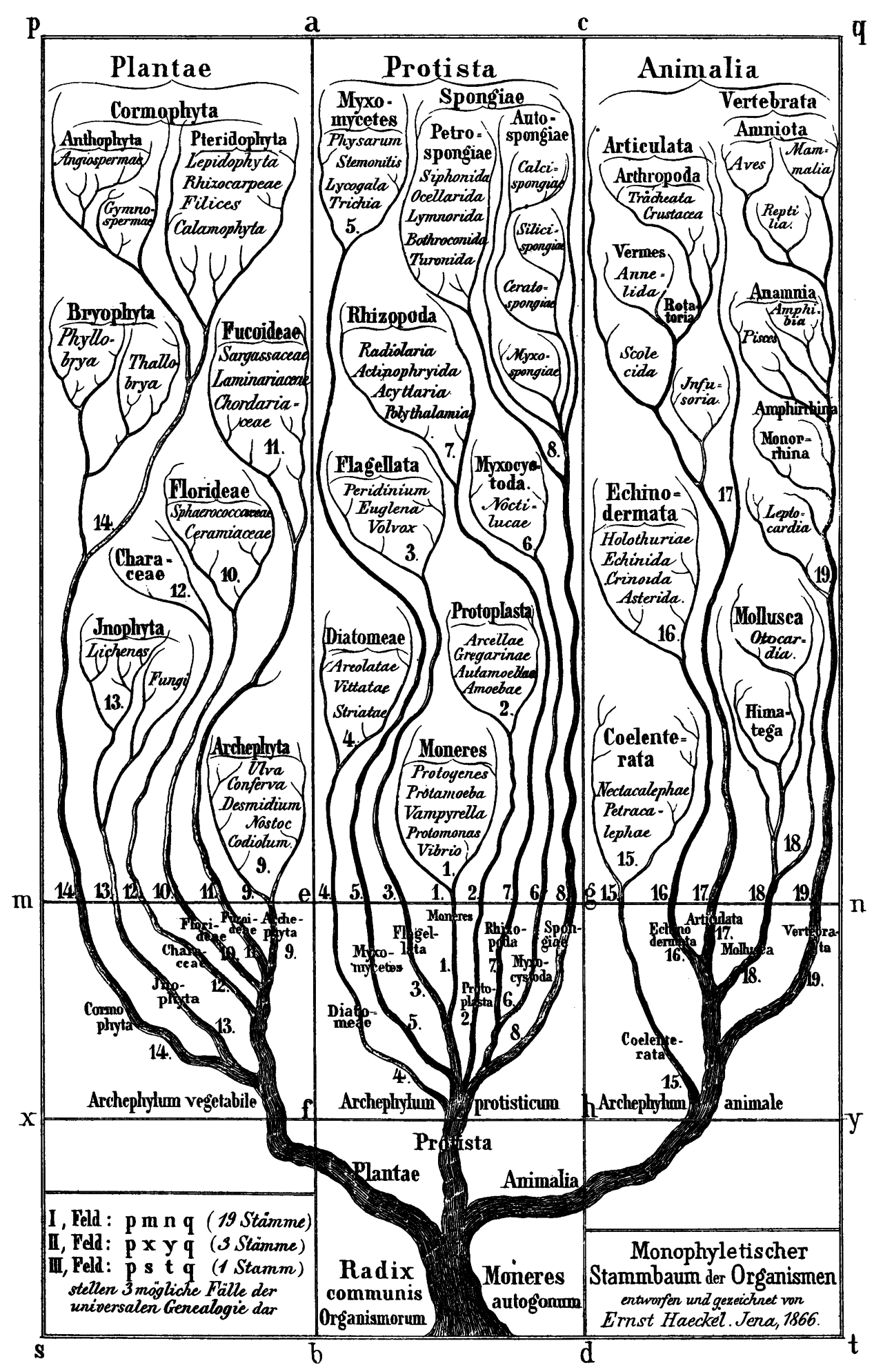
- Taxonomic contributions: coinages such as Protista and other group names, and extensive work on invertebrate morphology.
- Popularization: Haeckel translated and interpreted evolutionary theory for German readers and students.
Publications, art and pedagogy
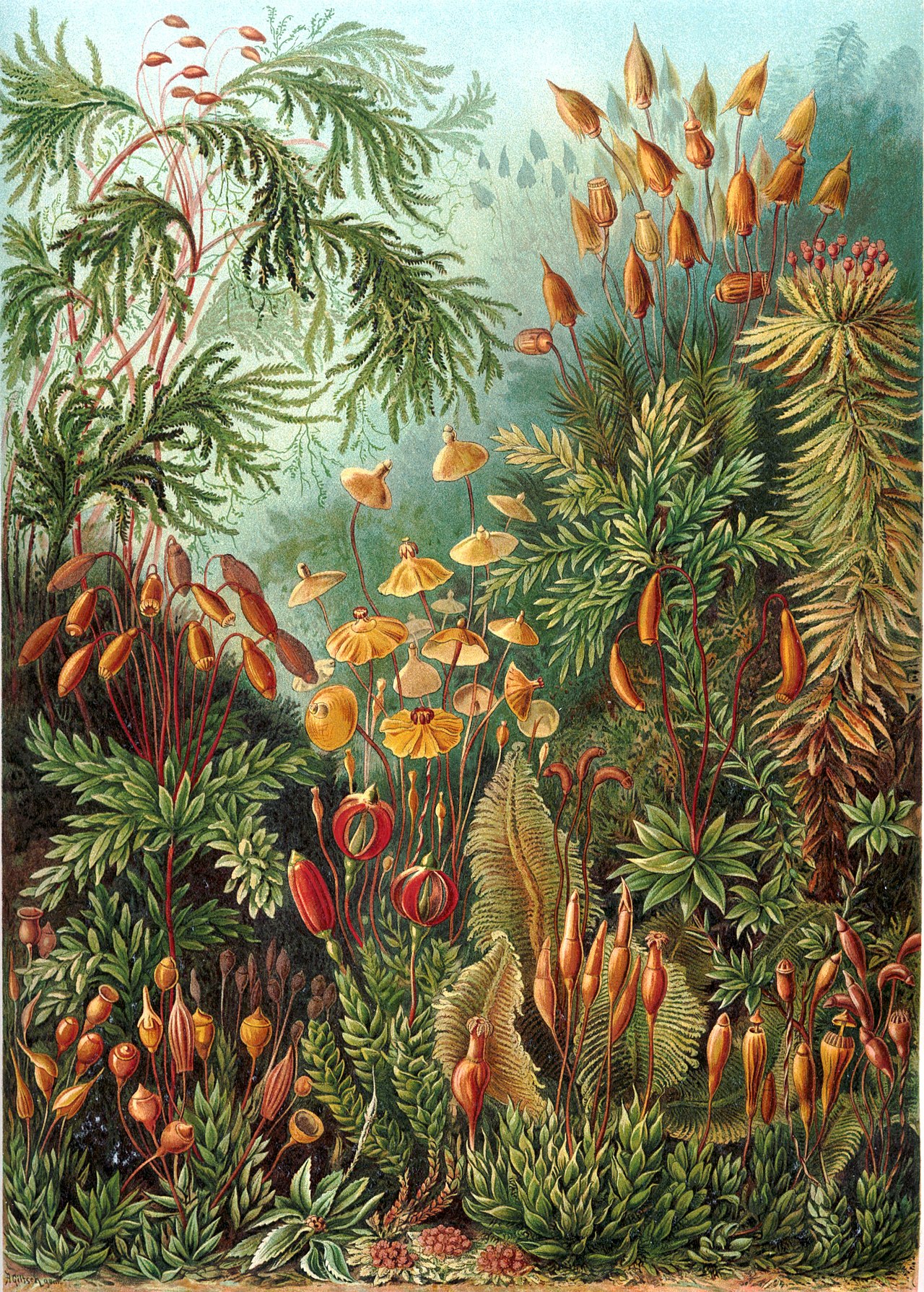
Haeckel combined scientific text with elaborate plates that remain admired for their aesthetics and attention to form. His multi-volume works and monographs mixed empirical study with broad evolutionary synthesis. One of his best-known visual legacies is the series of lithographs collected in artful volumes that display the symmetry and diversity of life.
- Notable works include extensive monographs on invertebrates and illustrated collections of biological forms.
- His drawings were used to teach morphology and to communicate evolutionary relationships to non-specialist audiences.
Philosophy and controversies
Beyond descriptive biology, Haeckel advocated a philosophical naturalism that rejected supernatural explanations and sought a unified, materialistic account of nature. He coined and promoted ideas that mingled science and social thought; some of this writing entered debates about race, society and human hierarchies. Historians note that elements of his worldview were later taken up by proponents of eugenics and were appropriated by nationalist movements in the 20th century. Careful scholarship distinguishes Haeckel's scientific and artistic achievements from later political uses of parts of his work.
Legacy and distinctions
Haeckel remains a complex historical figure: celebrated for precise drawings and early advocacy of evolution, and criticized for speculative generalizations and for writings that contributed to problematic social doctrines. His name persists in biological terminology and in the continuing interest in his plates and popular writings. For further reading on his life and influence see resources linked here and in specialist biographies.
Related topics and resources: biography and career, scientific illustrations, philosophical monism, religious views, eugenics and social Darwinism, historical assessments of influence.
Questions and answers
Q: Who was Ernst Heinrich Philipp August Haeckel?
A: Ernst Heinrich Philipp August Haeckel was a German zoologist, naturalist, artist, philosopher, and physician.
Q: Was he notable in the fields of philosophy and medicine?
A: No, he is not regarded as particularly notable in those fields.
Q: What religion did he practice?
A: He was an atheist and left the Lutheran church in 1910.
Q: How is he regarded today?
A: He is regarded as a pioneer of eugenics and Nazi eugenics in Germany.
Q: When was he born?
A: He was born on 16 February 1834.
Q: When did he die?
A: He died on 9 August 1919.
Related articles
Author
AlegsaOnline.com Ernst Haeckel: German Naturalist, Biologist, and Artist (1834–1919) Leandro Alegsa
URL: https://en.alegsaonline.com/art/118682
Sources
- concise.britannica.com : CBritannica-Haeckel
- query.nytimes.com : The New York Times