
Hermenegildo Sábat — Uruguayan-born Argentine caricaturist and journalist
Hermenegildo Sábat (1933–2018) was a Uruguayan-born Argentine caricaturist, journalist and photographer known for incisive political cartoons that shaped public debate in Argentina and beyond.
Hermenegildo Sábat (23 June 1933 – 2 October 2018) was a prominent caricaturist, illustrator, photographer and journalist who worked for decades in the Río de la Plata press. Born in Montevideo, Uruguay, he established a long career that later continued in Argentina, where he became a naturalized citizen in 1980. Sábat is best known for his political cartoons and editorial artwork that combined economical line work and visual metaphor to comment on public life and power.
Image gallery
1 Image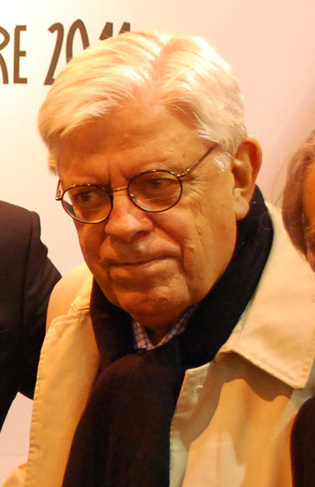
Early life and professional beginnings
Sábat showed an early aptitude for drawing and editorial illustration. His first published drawing appeared in a leading Montevideo newspaper when he was a teenager and this early exposure led to sustained employment in print journalism. Over time he worked in roles that included editor, staff correspondent, photographer and illustrator for major regional newspapers, developing skills across written and visual reporting.
Artistic approach and characteristics
As a caricaturist Sábat favored clarity and directness. His drawings often reduced public figures to a small number of recognizable traits and used visual allegory to convey criticism or irony. He worked in black-and-white and was attentive to facial expression, posture and symbolic props. Recurring features of his work include:
- economical pen strokes and stark contrasts;
- use of metaphor and exaggeration to communicate political commentary;
- a blend of journalistic observation with graphic storytelling.
Political commentary and public reaction
During Argentina's return to democracy in the 1980s and in subsequent decades Sábat became known for cartoons that engaged directly with presidents and political controversies. He produced memorable caricatures of public leaders that provoked discussion and, at times, controversy. For example, he depicted President Raúl Alfonsín in a way that underscored perceived fumbling with economic issues, and later criticized the administrations of Carlos Menem and Cristina Fernández de Kirchner with stark visual metaphors. His imagery—sometimes harsh, sometimes ironic—played a visible role in newspaper pages and public debate.
Legacy and influence
Sábat's work spans the transition periods of Latin American politics in the late 20th century and the contested public conversations that followed. He remains an example of how editorial cartooning can function as both commentary and historical record: his caricatures captured moments, tensions and personalities that shaped national conversations. Colleagues and readers have remembered him for the longevity of his career and for maintaining a consistent visual voice through changing political climates.
Sábat died in his sleep on 2 October 2018 in Buenos Aires, at age 85. His career—beginning with a first published drawing in Montevideo and continuing through decades of Argentine newspapers—illustrates the close link between journalism and visual satire in modern public life.
Related articles
Author
AlegsaOnline.com Hermenegildo Sábat — Uruguayan-born Argentine caricaturist and journalist Leandro Alegsa
URL: https://en.alegsaonline.com/art/43816
Sources
- pruebas.fnpi.org : Premio Nuevo Periodismo: Biografía básica de Hermenegildo Sábat (in Spanish)
- pagina12.com.ar : Página/12: Sábat, maestro intachable (in Spanish)
- lanacion.com.ar : "La mirada que desnuda al poder"
- lanacion.com.ar : "Compartí la información confiable y la opinión de los especialistas más prestigiosos con este link: Murió Hermenegildo Sábat, uno de los dibujantes más reconocidos en la historia argentina"