
Hernán Gamboa: Venezuelan cuatro virtuoso, composer and singer
Concise profile of Hernán Gamboa (1946–2016), celebrated Venezuelan cuatro player, composer and singer, longtime member of Serenata Guayanesa and influential figure in Venezuelan folk music.
Overview
Hernán Gamboa (18 June 1946 – 10 January 2016) was a prominent Venezuelan musician, widely recognized for his mastery of the cuatro, his songwriting and his singing. He became nationally known with the vocal and instrumental group Serenata Guayanesa, and later developed a successful solo career that emphasized the cuatro as a solo instrument and a central voice in Venezuelan folk music.
Image gallery
2 Images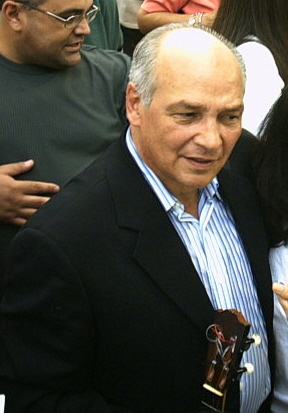

Early life and musical beginnings
Gamboa was born in San Tomé, Anzoátegui. He started performing at a young age and immersed himself in regional musical forms. The rural and coastal traditions of Venezuela shaped his repertoire and technique, and he learned to adapt traditional accompaniment roles into melodic and solo expressions on the cuatro.
Style, innovations and instruments
Gamboa is particularly noted for elevating the cuatro from an accompanying instrument to a featured solo voice. His approach combined rhythmic strumming with melodic phrasing, allowing the cuatro to carry both harmony and lead lines. He composed, arranged and recorded in genres such as joropo, merengue, tonadas and other Venezuelan folk styles, bringing renewed attention to these traditions.
Career and contributions
From 1971 to 1984 Gamboa was a member of the celebrated ensemble Serenata Guayanesa, contributing to its popularity through performances, recordings and radio appearances. After leaving the group he continued a solo career that included concerts, recordings and educational activities aimed at promoting Venezuelan folk music and the cuatro. His work influenced younger musicians and helped expand the instrument's role in popular and academic contexts.
Notable aspects and legacy
- Instrumental focus: Advocated for the cuatro as a lead instrument.
- Repertoire: Blended traditional Venezuelan genres with original compositions.
- Teaching and influence: Left a lasting impact on generations of cuatro players and folk musicians.
Gamboa died of cancer on 10 January 2016 while in Buenos Aires, Argentina. Tributes following his death emphasized his role in popularizing Venezuelan musical forms and in broadening the expressive possibilities of the cuatro. He is remembered both for his recordings and for his contribution to cultural life in Venezuela and the wider Latin American folk music community.
Related articles
Author
AlegsaOnline.com Hernán Gamboa: Venezuelan cuatro virtuoso, composer and singer Leandro Alegsa
URL: https://en.alegsaonline.com/art/43842
Sources
- panorama.com.ve : "Falleció Hernán Gamboa, excuatrista de Serenata Guayanesa"