
Henry M. Rice: Fur trader and early U.S. Senator from Minnesota
Henry M. Rice (1816–1894) was a fur trader, territorial leader and one of Minnesota's first U.S. Senators who helped shape early statehood, treaty negotiations, and regional development.
Henry Mower Rice (November 29, 1816 – January 15, 1894) was an American fur trader and political leader who played a prominent role in the creation and early governance of the state of Minnesota. He combined commercial activity in the Upper Midwest with public service, acting as a territorial commissioner, treaty negotiator, and—after statehood—one of Minnesota's first members of the United States Senate.
Image gallery
2 Images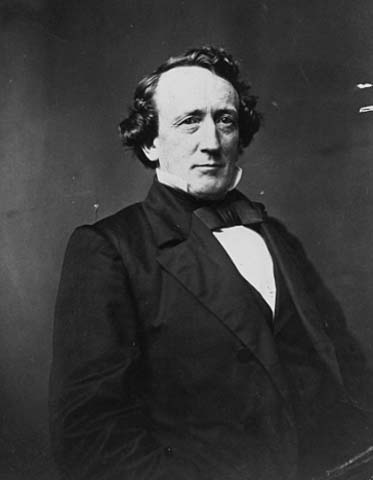

Career and public roles
Rice began his career in the fur trade, building relationships with Native American communities and other traders in the Great Lakes and Upper Mississippi regions. His commercial connections and local influence led him into territorial politics, where he served as a commissioner and representative of regional interests. In that capacity he worked on negotiations and administrative matters that affected land use, settlement, and the establishment of local government.
After Minnesota was admitted to the Union in 1858, Rice was elected to the U.S. Senate and represented the new state in Washington. As a senator he advocated for infrastructure, settlement, and policies intended to foster growth in the upper Midwest.
Negotiations and relations
Rice is known for his involvement in treaty discussions and other dealings between the federal government and Native American tribes. His role reflected the complicated and often contested process of land cession and settlement that accompanied mid‑19th century westward expansion. Histories note both his influence in bringing about agreements and the wider consequences those agreements had for Indigenous communities and new settlers.
Legacy and recognition
- Remembrance: Several Minnesota place names and local histories recall Rice's role in early state formation, including counties and public sites.
- Historical significance: He is remembered as a bridge figure between commercial frontier life and formal U.S. political institutions during Minnesota's transition from territory to state.
For further reading on his commercial background see fur trade studies, and for his political career consult sources on early Minnesota statehood and the first congressional delegation, including material about his service as a United States Senator. Contemporary accounts and later histories provide additional context on Rice's life, the treaties and negotiations he participated in, and his impact on regional development.
Related articles
Author
AlegsaOnline.com Henry M. Rice: Fur trader and early U.S. Senator from Minnesota Leandro Alegsa
URL: https://en.alegsaonline.com/art/43603
Sources
- bioguide.congress.gov : "RICE, Henry Mower, (1816 - 1894)"
- hmdb.org : "Rice Park"