
Henry Lee III (Light-Horse Harry) — Revolutionary cavalry leader and Virginia statesman
Henry Lee III (1756–1818), nicknamed "Light‑Horse Harry," was a Continental Army cavalry commander, Virginia governor, and public figure remembered for daring raids and his eulogy of George Washington.
Henry Lee III (January 29, 1756 – March 25, 1818), commonly called "Light-Horse Harry," was an American soldier and public official active during and after the American Revolution. He gained a reputation as a daring mounted commander and later held prominent civilian posts in Virginia. Lee combined battlefield boldness with a public life that shaped early national memory.
Image gallery
3 Images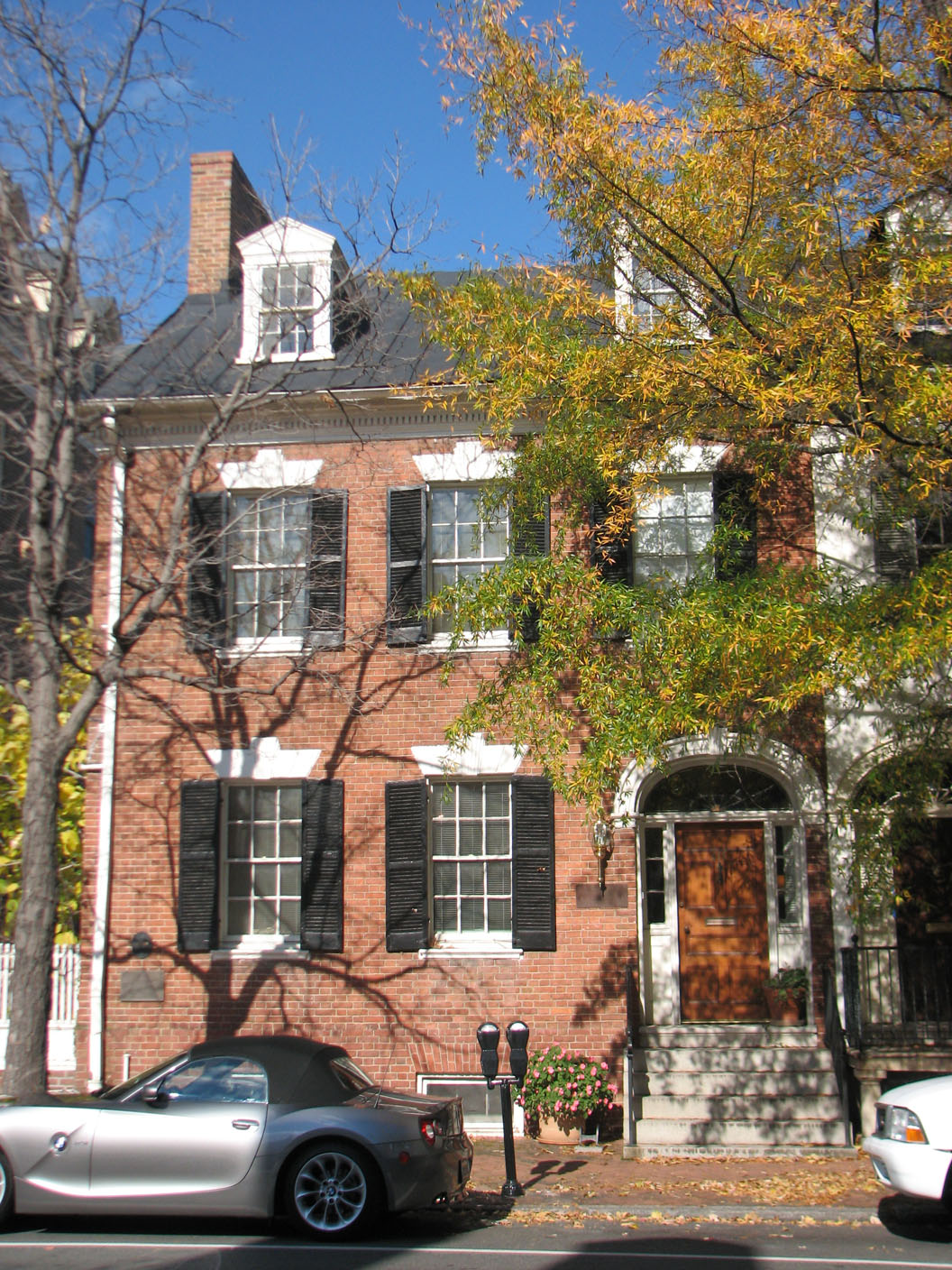


Military career and tactics
Lee was a leading cavalry officer in the Continental Army, noted for using light, fast-moving units that could scout, raid, and harass larger enemy forces. His approach emphasized mobility, surprise, and small-unit initiative rather than set-piece battles. Contemporary accounts and later summaries credit him with refining American mounted operations and inspiring future light cavalry doctrine.
Notable actions
He became widely known for audacious raids and for commanding mixed units sometimes called Lee's Legion. One celebrated episode was a surprise attack that disrupted British positions in the mid-Atlantic theater; his leadership in such operations won him popular acclaim and the sobriquet Light-Horse Harry. These exploits made him a recognized patriot figure of the war era.
Political and public life
After the war, Lee entered public service and was active in Virginia politics. He served as a state executive in the early 1790s and continued to participate in civic affairs. As a politician and public speaker he remained engaged in debates over the republic’s direction, balancing his military reputation with the demands of peacetime governance.
Lee is also remembered for his role in national mourning: when George Washington died in 1799, he delivered a short, memorable eulogy that praised Washington as "first in war, first in peace, and first in the hearts of his countrymen," a phrase that has endured in American historical memory.
Family and legacy
Henry Lee married Anne Hill Carter and they had seven children. The most famous of their offspring was Robert E. Lee, who later became a prominent military leader in the 19th century; readers can find further information on Robert E. Lee via this link: Robert E. Lee. Henry Lee's later years included financial and health difficulties, and he died in 1818. His life left a mixed but significant legacy as both a military innovator and a formative public figure.
Notable facts
- Nickname: Light‑Horse Harry, reflecting his cavalry command style.
- Commander of agile mounted troops that emphasized raids and reconnaissance.
- Delivered a widely quoted eulogy for George Washington that shaped national remembrance.
- Married Anne Hill Carter; fathered seven children, including Robert E. Lee.
- Associated events and military role often discussed in biographies and studies of the American Revolution and the Continental Army.
For further reading on his life and career consult biographical entries and collections of Revolutionary War correspondence and public papers (see resources linked here: cavalry history, patriot biographies, and archival materials on early American political figures).
Questions and answers
Q: Who was Henry Lee III?
A: Henry Lee III was an early American patriot and politician.
Q: What was Henry Lee III's role during the American Revolution?
A: Henry Lee III was a cavalry officer in the Continental Army during the American Revolution.
Q: What was Henry Lee III's nickname?
A: Henry Lee III's nickname was Light-Horse Harry.
Q: Who did Henry Lee III marry and how many children did they have?
A: Henry Lee III married Anne Hill Carter Lee and they had seven children.
Q: Who was Henry Lee III's most notable child?
A: Henry Lee III's most notable child was Robert E. Lee.
Q: When did Henry Lee III die?
A: Henry Lee III died in 1818.
Q: What was Henry Lee III's military rank?
A: Henry Lee III's military rank was Major-General.
Related articles
Author
AlegsaOnline.com Henry Lee III (Light-Horse Harry) — Revolutionary cavalry leader and Virginia statesman Leandro Alegsa
URL: https://en.alegsaonline.com/art/43600