
1559: Treaty of Cateau‑Cambrésis, Elizabethan settlement, and historical context
Summary of the year 1559, highlighting the Treaty of Cateau‑Cambrésis ending the Italian Wars, Henry II's death, Elizabeth I's coronation and religious settlement, and the year's wider European effects.
Overview
The year 1559 marked a turning point in mid‑16th century Europe. Several diplomatic, dynastic and religious events combined to reshape power balances: a formal end to the long Italian Wars, a change of rulers in France, and the consolidation of Protestant governance in England under Elizabeth I. These developments influenced the trajectory of the Reformation, Habsburg power, and interstate rivalry for decades.
Image gallery
9 Images





Major political and diplomatic events
The most consequential diplomatic act of 1559 was the Treaty of Cateau‑Cambrésis, signed between France and the Habsburgs. The treaty brought an end to the protracted Italian Wars that had involved France, Spain, the Holy Roman Empire and various Italian states. It confirmed Habsburg predominance in Italy and required France to abandon many of its Italian claims, while arranging the return or recognition of territories and dynastic understandings that reduced open warfare between the great powers for a time.
France: death of Henry II and succession issues
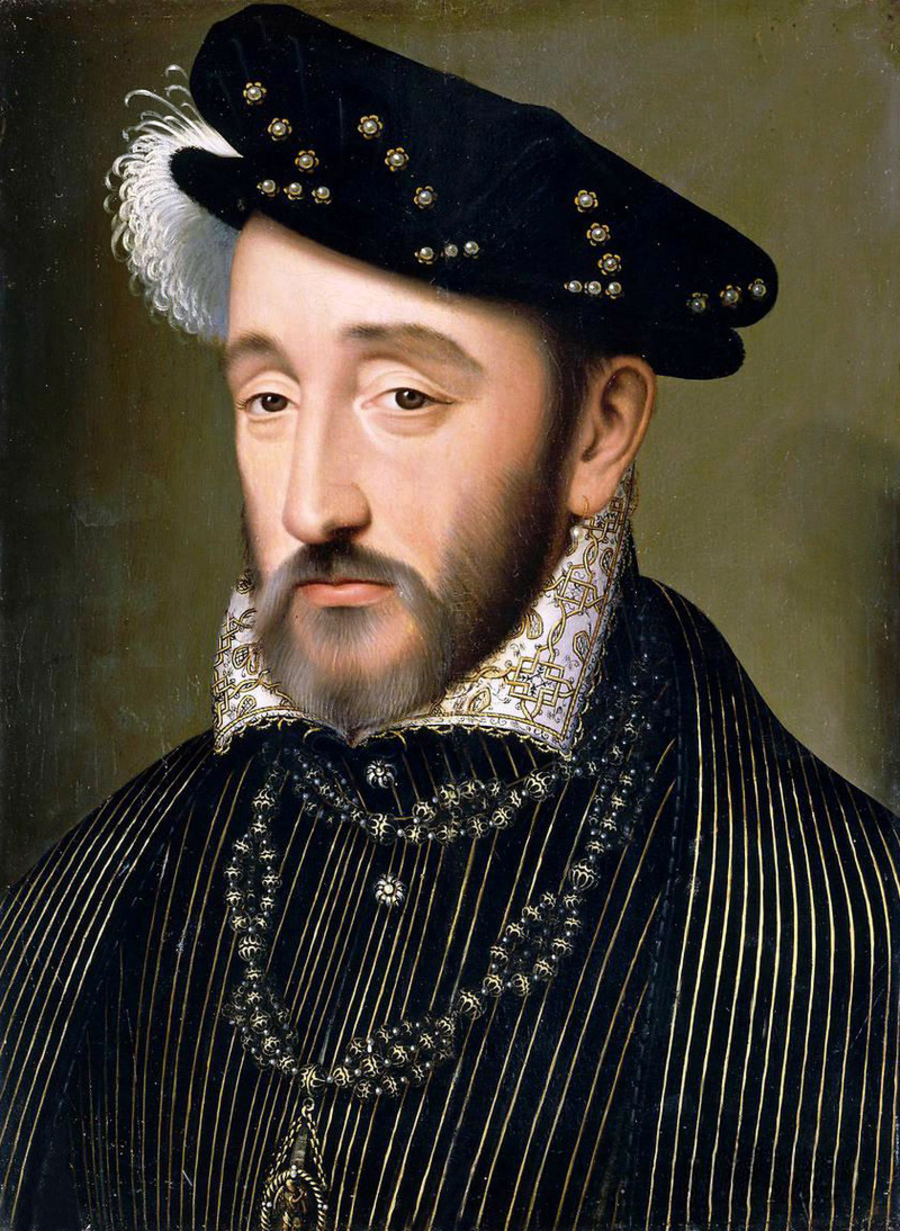
In France, King Henry II was mortally wounded in a jousting accident and died in July 1559. His death left the throne to his young son, creating a fragile political situation. The monarchy's weakened authority and rival noble factions contributed to tensions that would erupt into the French Wars of Religion in the following years.
England: Elizabeth I and the religious settlement
In England, Elizabeth I was crowned in January 1559 and her first Parliament passed measures that became known as the Elizabethan Religious Settlement. The Acts established the monarch as supreme in ecclesiastical matters and restored a reformed liturgy through a revised Book of Common Prayer. The settlement aimed for a middle path between Roman Catholicism and more radical Protestant variants and set the foundation for the Church of England.
Consequences and notable facts
- The Treaty of Cateau‑Cambrésis curtailed French ambitions in Italy and confirmed Spanish and Habsburg influence there.
- Henry II's death intensified internal divisions in France, accelerating the slide toward civil and religious conflict.
- Elizabeth's settlement shaped English religious life and state identity for generations.
Notable births and deaths (selected)
- Deaths: King Henry II of France (d. 1559).
- Other births and deaths in 1559 included figures from politics, the arts and the church whose careers unfolded against the backdrop of these changes.
Related articles
Author
AlegsaOnline.com 1559: Treaty of Cateau‑Cambrésis, Elizabethan settlement, and historical context Leandro Alegsa
URL: https://en.alegsaonline.com/art/111485