
Hemorrhoidolysis (Galvanic Electrotherapy)
A minimally invasive office procedure that uses a galvanic electrode to treat internal hemorrhoids by producing a local electrochemical effect that reduces hemorrhoidal tissue and symptoms.
Overview
Hemorrhoidolysis, also called galvanic electrotherapy, is a brief outpatient procedure used to treat symptomatic internal hemorrhoids. It applies a low-voltage direct current via a pointed probe to the hemorrhoidal tissue, producing a localized electrochemical effect that encourages shrinkage and improves symptoms. The method is generally intended for small to moderately sized internal hemorrhoids and is performed without full anesthesia.
Image gallery
9 Images


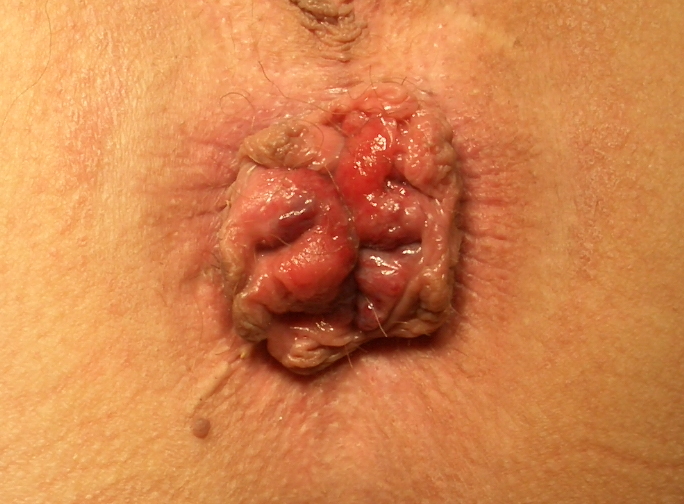

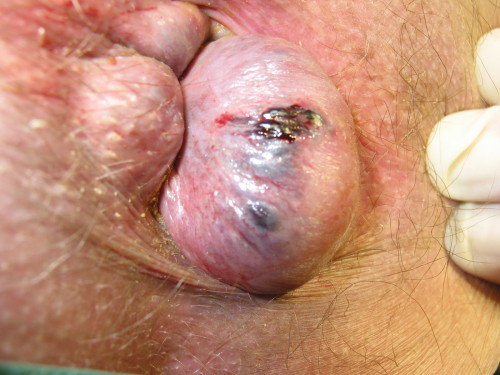

How the procedure works
In practice a clinician visualizes the hemorrhoid with an anoscope, then touches the hemorrhoidal cushion with an electrode that delivers a short, controlled galvanic pulse while applying light pressure. The current causes a tiny electrochemical reaction in the tissue, leading to coagulation or sclerosis and progressive retraction of the hemorrhoidal mass. Treatments are short—often only a few minutes per hemorrhoid—and more than one hemorrhoid can be addressed in a single visit.
Typical uses and outcomes
Hemorrhoidolysis is used to relieve bleeding, discomfort, and prolapse related to internal hemorrhoids. Many patients experience symptom improvement after a single session for each treated hemorrhoid, though some individuals may need repeat treatment or complementary therapies. Because it is minimally invasive, recovery is usually quick and allows a rapid return to normal activities.
Procedure steps and aftercare
- Office assessment and anoscopic examination.
- Application of a topical or local anesthetic if required.
- Brief delivery of galvanic current to each targeted hemorrhoid.
- Post-procedure advice: sitz baths, stool softeners, avoiding straining.
Risks, contraindications and distinctions
Complications are usually minor and can include transient pain, light bleeding, or local irritation. As with other electrical procedures, patients with implanted electronic devices (for example, pacemakers) or certain cardiac conditions are typically considered unsuitable candidates. Hemorrhoidolysis differs from rubber band ligation, sclerotherapy and infrared coagulation in its mechanism (electrochemical effect) and is generally best for internal, non-prolapsed hemorrhoids rather than large external or massively prolapsed disease.
Background and notable facts
Galvanic electrotherapy draws on long‑standing medical uses of controlled electrical current to produce tissue changes. It remains one of several office-based options for hemorrhoid management, valued for its short treatment time and minimal invasiveness. For more general information about hemorrhoid care and options, see Hemorrhoidolysis overview.
Related articles
Author
AlegsaOnline.com Hemorrhoidolysis (Galvanic Electrotherapy) Leandro Alegsa
URL: https://en.alegsaonline.com/art/43465
Sources
- books.google.com : "The ASCRS Textbook of Colon and Rectal Surgery: Second Edition"
- hemorrhoids-help.com : hemorrhoids-help.com/
- ncbi.nlm.nih.gov : "Hemorrhoids: diagnosis and current management"