
Hebe — Greek goddess of youth
Hebe, daughter of Zeus and Hera, is the Greek goddess who personifies youth. She served as cupbearer to the gods, later became the wife of Heracles, and appears widely in classical and later art.
Overview
Hebe is the personification of youth in ancient Greek religion and myth. Her name (Greek Ἥβη) literally means "youth" or "prime of life." In the corpus of Greek mythology she is best known for her role at the Olympian table and for associations with the transition from adolescence to adulthood.
Image gallery
10 Images






Family and chief myths
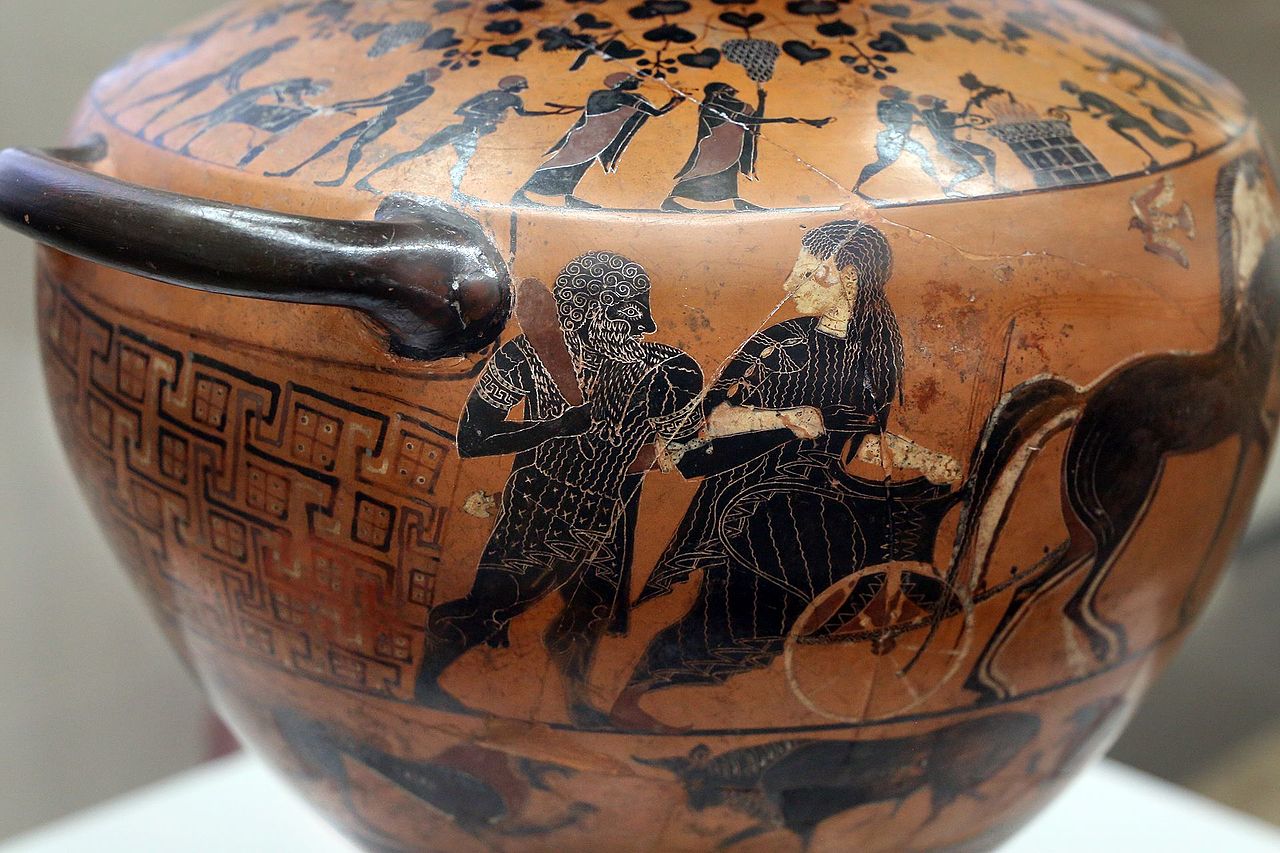
Hebe is traditionally described as a daughter of Zeus and Hera. She served as the divine cupbearer, bringing nectar and ambrosia to the other gods during feasts. Later accounts relate that when the hero Herakles (Heracles) was granted apotheosis and admitted to Olympus, he married Hebe. The couple were said to have had two sons, Alexiares and Anicetus, who represent aspects of protection and guardianship in some traditions.
Attributes and depiction
In art and literature Hebe is usually represented as a graceful young woman. Common attributes include a cup, pitcher or chalice (symbols of her cupbearer role) and occasionally the presence of attendants. She embodies the idea of rejuvenation and the vigor of youth rather than martial or political power.
Worship and cultural influence
Although Hebe was not the focus of major pan-Hellenic cults like some Olympians, she appears in local rituals and in poetry and vase-painting. Her figure persisted into Roman culture, where she is known by the Latin name Juventas. Artists and poets of the Renaissance and Neoclassical periods revived her image as an emblem of youthful beauty and service.
Notable facts and distinctions
- Hebe personifies a concept (youth) rather than a wider sphere like war or the sea.
- Her role as cupbearer is comparable to other divine attendants; accounts sometimes contrast her service with the story of Ganymede.
- Her marriage to Herakles links heroic myth with divine succession and immortality.
For concise references to names and terms, see entries for Zeus, Hera, and Herakles, and for basic mythological context consult general surveys of Greek mythology. Additional reading on iconography and later reception can be found via standard classical studies resources and museum catalogs (name origin, cupbearer role, nectar, ambrosia).
Related articles
Author
AlegsaOnline.com Hebe — Greek goddess of youth Leandro Alegsa
URL: https://en.alegsaonline.com/art/43152