
Hearing test: types, purpose, and what to expect
A hearing test evaluates how well a person detects and understands sound. This article explains common test types, who performs them, differences for children, and how results guide care.
A hearing test is an examination of a person’s sense of hearing to determine which sounds they can detect and whether there is any hearing loss. Tests range from simple screenings to detailed diagnostic evaluations. Their goal is to measure hearing sensitivity, identify the likely site of a problem (for example, outer/middle ear versus inner ear or auditory nerve), and provide information needed for treatment or rehabilitation.
Image gallery
1 Image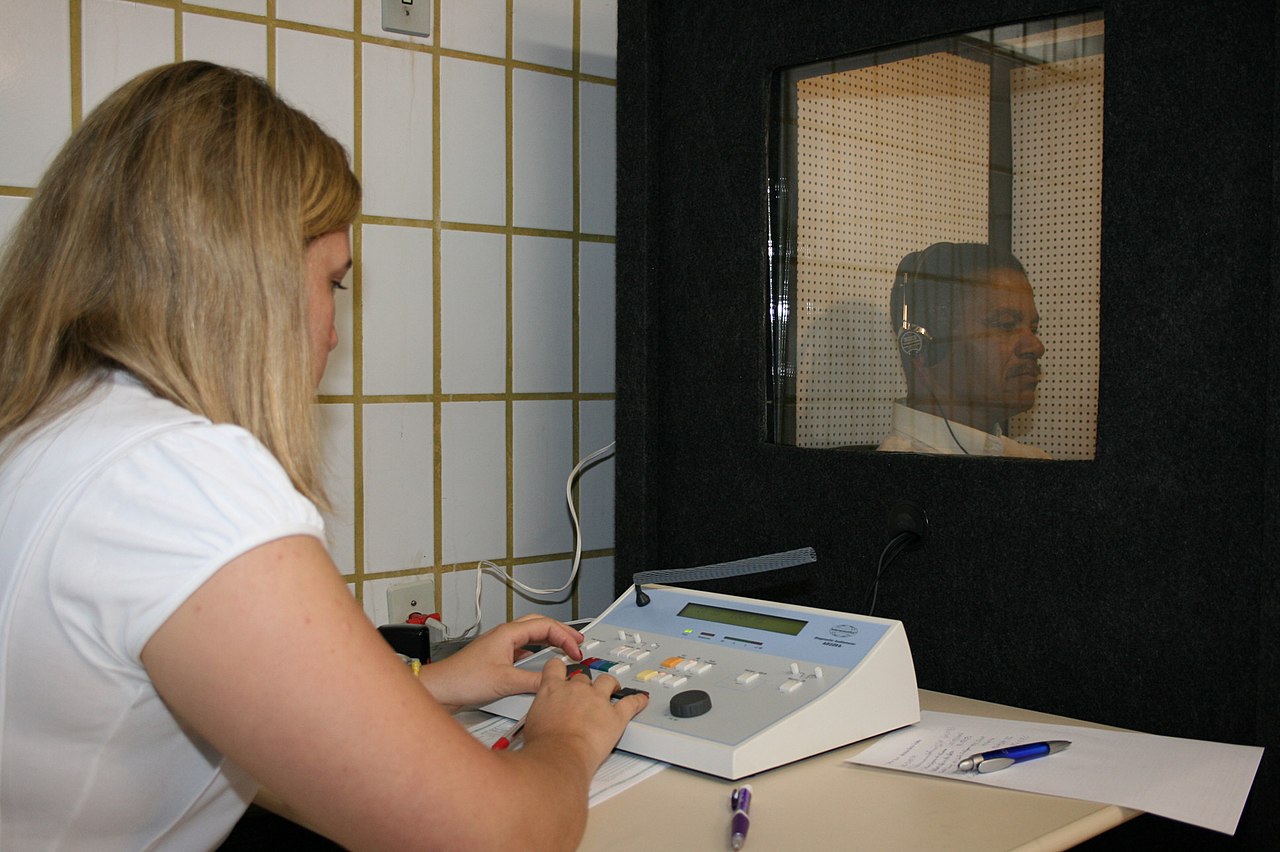
Common types of hearing tests
Clinicians choose from several established procedures depending on age, symptoms, and clinical questions. Major categories include:
- Pure-tone audiometry: measures the quietest tones a person can hear across frequencies; results are plotted on an audiogram.
- Speech audiometry: assesses the ability to hear and understand spoken words in quiet or noise.
- Tympanometry: evaluates middle-ear function and eardrum movement.
- Otoacoustic emissions (OAEs): detect sound produced by the inner ear and are commonly used in newborn screening.
- Auditory brainstem response (ABR): an objective test that records neural responses to sound, useful for infants or when behavioral testing is not possible.
Who performs hearing tests and when
Audiologists are the health professionals most often responsible for administering and interpreting hearing tests; otolaryngologists (ENT physicians) and trained technicians also play roles. Routine screening may be offered at workplaces, schools, or during primary-care visits; diagnostic testing is recommended when screening suggests reduced hearing, when someone reports difficulty hearing, or when there is a history of ear disease, noise exposure, or developmental concerns in children.
Children, newborns, and special considerations
Testing approaches differ by age. Newborns typically receive objective screening such as OAEs or ABR before hospital discharge. Older infants and preschool children may be tested with age-appropriate behavioral methods, while standard audiometry is used for school-aged children and adults. Because early hearing loss can affect speech and language development, timely assessment and follow-up are especially important in children.
Interpreting results and next steps
Results describe hearing sensitivity by frequency and ear, and they help distinguish conductive, sensorineural, or mixed hearing loss. Based on findings, clinicians may recommend medical treatment, hearing aids, assistive listening devices, cochlear implants, hearing protection, or monitoring. Occupational or military settings may require regular testing to detect noise-related changes early.
Notable facts: hearing tests can be quick screening checks or comprehensive diagnostic batteries; objective tests exist for people who cannot reliably respond; and early detection improves outcomes. For further information on hearing health and local services, consult an audiologist or primary-care provider.
Related articles
Author
AlegsaOnline.com Hearing test: types, purpose, and what to expect Leandro Alegsa
URL: https://en.alegsaonline.com/art/43070