
Anglo-Zanzibar War (1896) — brief conflict and its consequences
A very short 1896 conflict between the British Empire and the Sultanate of Zanzibar, notable for lasting under an hour and for its role in consolidating British control of the island.
The Anglo‑Zanzibar War took place on 27 August 1896 between forces of the British Empire and those of the Sultanate of Zanzibar. The clash arose from a dynastic and political dispute after the death of a pro‑British ruler and ended quickly with a decisive British bombardment. It is often cited as the shortest recorded war in history, a label based on the brief period of active combat that followed the British ultimatum.
Image gallery
8 Images


Background and causes
In the late 19th century Zanzibar (see Zanzibar) was a British protectorate in which Britain exercised strong influence over succession and policy. When the pro‑British Sultan Hamad bin Thuwaini died suddenly in August 1896, a succession crisis erupted. Khalid bin Barghash seized the palace and proclaimed himself sultan without British approval. The British authorities favoured a rival claimant and regarded Khalid's action as a breach of the protectorate arrangements. They issued an ultimatum ordering Khalid to step down and leave the palace; when he refused and fortified his position, the British responded with force.
Course of the fighting
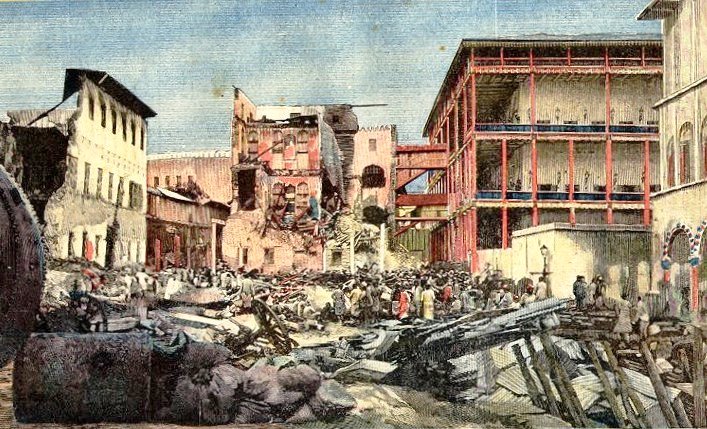
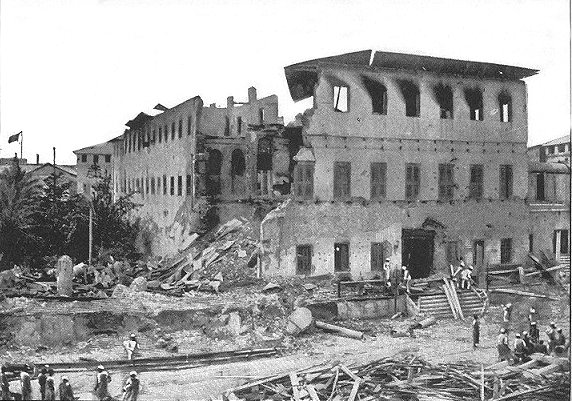
Hostilities began shortly after the ultimatum expired. Royal Navy vessels and shore forces opened fire on the palace and on Zanzibari coastal defences. The bombardment destroyed the palace and several artillery emplacements, sank or disabled a few small vessels loyal to Khalid, and ended after a short, concentrated exchange. Contemporary and later accounts report the active phase of fighting as lasting somewhere in the range commonly given as roughly 38 to 45 minutes; this brief span is the basis for references to the event as the shortest war on record (shortest war).
Aftermath and political consequences
Following the bombardment Khalid sought refuge at the German consulate and later went into exile. British forces installed a ruler acceptable to their government, further tightening Britain's control over Zanzibar. The episode reinforced the reality of imperial influence in East Africa and had immediate administrative effects: British officials consolidated their authority, reasserted protectorate arrangements, and moved to implement policies they supported, including measures aimed at suppressing the slave trade, which had been a persistent issue in the region.
Forces, damage and casualties
- British side: Royal Navy ships and marines carried out the bombardment. Reported British casualties were minimal; contemporary records note only a single sailor wounded.
- Zanzibari side: Defences included palace batteries and several artillery pieces (see artillery). Estimates of casualties and damage vary, but many accounts record hundreds killed or wounded among defenders and civilians, destruction of fortifications, and one or more vessels belonging to the sultan damaged or sunk.
Significance and notable facts
The Anglo‑Zanzibar War has become a frequent example in discussions of imperial diplomacy and the era's reliance on naval power to enforce political aims — often called "gunboat diplomacy." It illustrates how succession disputes in protectorates could become matters of international confrontation. The clash is also widely mentioned in popular histories because of the extraordinary brevity of combat and the dramatic contrast between the tiny duration of fighting and the substantial political consequences that followed.
Timeline and related points
- Death of Sultan Hamad bin Thuwaini and ensuing succession dispute.
- Khalid bin Barghash seizes the palace and proclaims himself sultan, without British consent.
- British ultimatum expires; bombardment begins.
- Palace and batteries are silenced; Khalid seeks refuge and later departs into exile.
- Installation of a British‑approved ruler and consolidation of protectorate control by the United Kingdom.
The Anglo‑Zanzibar War remains an instructive episode in colonial history: a short, decisive military action that produced long‑lasting political outcomes. For further reading on the island's broader history, governance, and the imperial context, see linked resources and specialist works on late 19th‑century East Africa (Zanzibar overview, accounts of the short conflict). Additional archival and scholarly sources provide more detailed vessel lists, diplomatic correspondence, and variations in casualty figures for readers who want a deeper examination.
Related material: the role of foreign consulates in the crisis; the subsequent fate of Khalid; and the way the episode has been represented in both British and Zanzibari historical memory remain topics of scholarly interest and debate.
See also: contemporary naval reports, colonial administration records, and regional studies of East African protectorates.
References and links in this article use placeholder tokens for external resources: Zanzibar, sultan, United Kingdom, shortest war, artillery.
Related articles
Author
AlegsaOnline.com Anglo-Zanzibar War (1896) — brief conflict and its consequences Leandro Alegsa
URL: https://en.alegsaonline.com/art/4201