
Haymarket affair — 1886 Chicago labor protest, bombing, trial and legacy
An 1886 bombing and violent confrontation at a Chicago labor rally that led to a controversial trial of anarchists and helped shape international labor observances and debates about civil liberties.
Overview
The Haymarket affair was a violent episode that followed a labor demonstration on May 4, 1886, at what was then called Haymarket Square in Chicago. The gathering began as a protest in support of striking workers seeking an eight‑hour workday and in response to recent clashes between police and laborers. During the rally an explosive device was thrown into a police line, touching off gunfire and chaos. The incident became a focal point for debates over labor rights, public order and the limits of political dissent in late 19th‑century America.
Image gallery
10 Images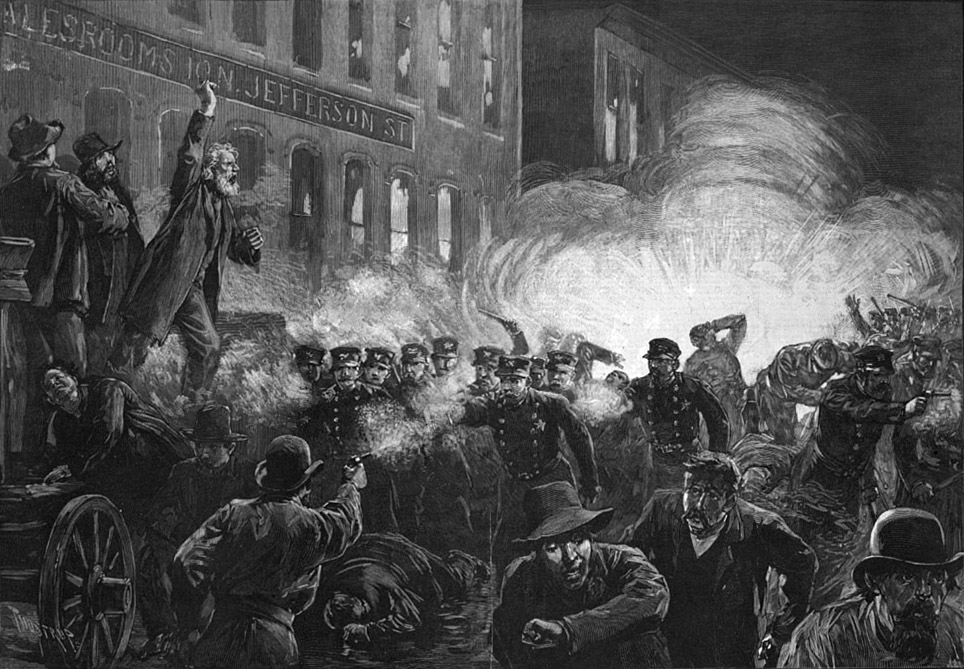





The events of May 4, 1886
The meeting at Haymarket Square assembled a crowd of workers and speakers to condemn recent violence at strikes and to press for shorter hours. Contemporary accounts describe a largely peaceful protest until a sudden explosion occurred as police moved in to disperse the meeting. The blast, widely reported as coming from a thrown bomb, was followed by gunfire; scores of people were wounded and several police officers and civilians were killed. The identity of the person who actually threw the bomb was never established, and theories—including suggestions of a provocateur—have been advanced but remain inconclusive.
Investigation, arrests and trial
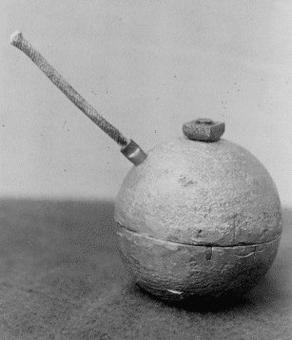
Authorities responded by arresting a group of prominent labor activists and anarchists accused of fomenting violence. Observers noted that the original assembly had been a peaceful rally in support of workers who were striking for an eight‑hour day. The prosecution argued a conspiracy among speakers and activists to incite violence, while defenders said the evidence did not prove any defendant had thrown the explosive. One accused was alleged to have constructed the bomb; however, none of those tried were proven to be the bomb‑thrower. The trial resulted in convictions of several defendants, a set of harsh sentences that prompted domestic and international criticism.
Aftermath and broader impact
The Haymarket affair reverberated far beyond Chicago. It intensified public anxieties about anarchism and immigration, influenced labor organizing, and became a rallying symbol for the international workers' movement. Many historians link the event to the adoption of May 1 as International Workers' Day in subsequent years. Debate over the fairness of the trial, the adequacy of police conduct, and the propriety of the convictions continued for decades. In 1893 Illinois' governor reviewed the case and took clemency actions for some of the surviving defendants, a decision that remains an important chapter in the affair's legal aftermath.
Notable facts and distinctions
- The bombing and the gunfire that followed caused multiple deaths among police and civilians; contemporary tallies reported several officers and civilians killed and many injured.
- Eight men were tried in a high‑profile case that drew attention across the United States and abroad; the convictions raised questions about free speech, assembly and the use of conspiracy charges.
- The identity of the individual who hurled the bomb was never determined, and the incident has spawned persistent historical debate about responsibility and provocation.
Memory and commemoration
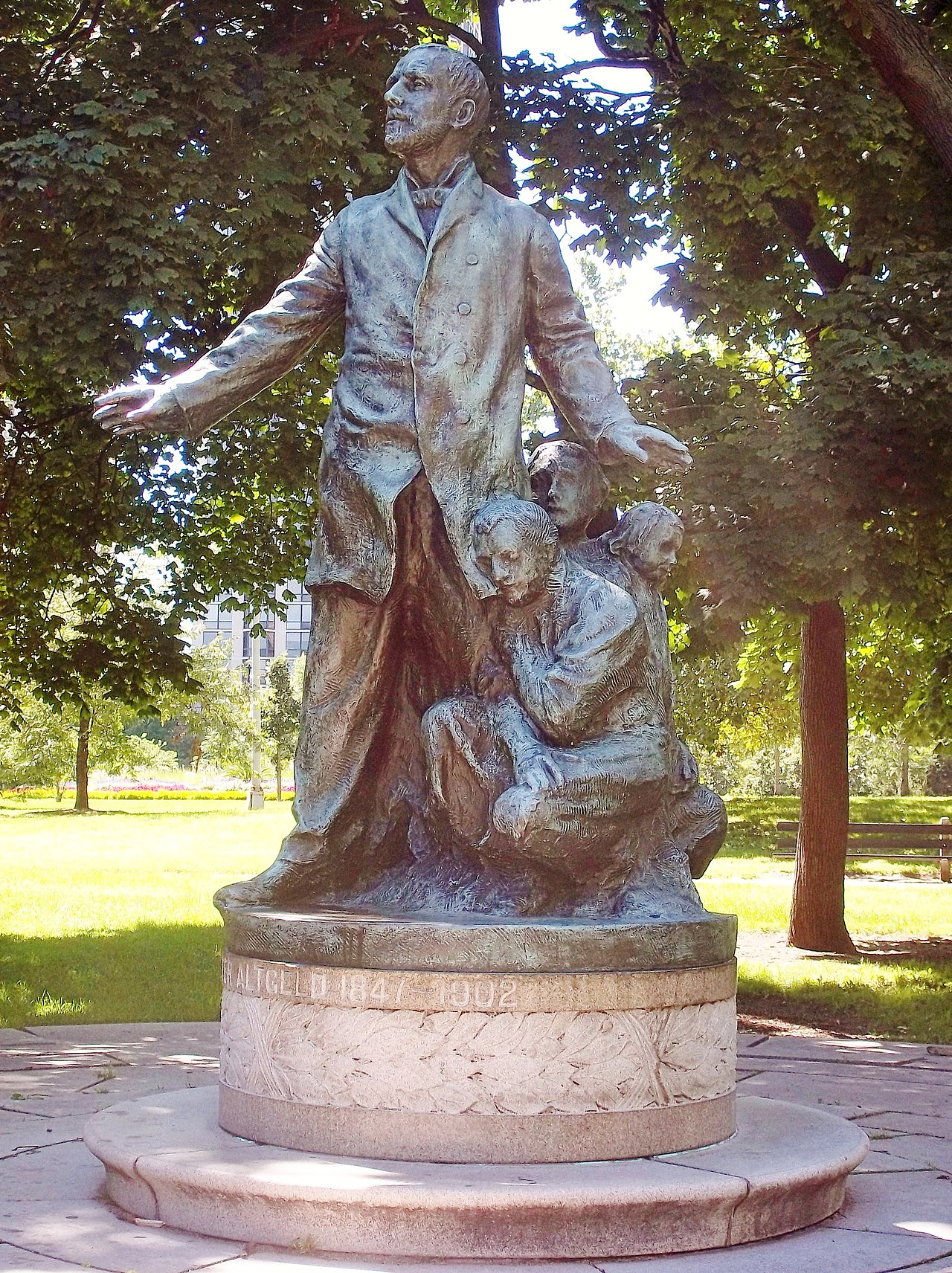
The site of the demonstration has been interpreted and commemorated in various ways. The location was later recognized as a point of historical significance and received civic designation; a public sculpture was installed at the spot in the early 21st century. For contemporary visitors and scholars the episode remains a touchstone for discussions of labor rights, state power and judicial fairness. Further reading and local historical materials can be found through resources linked to the Haymarket site and archival collections.
Key contemporary and later references to the event include discussions of the roles of anarchists, police procedures, and how episodes of political violence shape social movements. The site was designated a landmark in Chicago's civic memory and is noted in municipal records and monuments: see official recognitions of the area by the city and the commemorative works placed there in the late 20th and early 21st centuries, including the 1992 landmark designation and a public sculpture dedicated in 2004 (city landmark record). For further context on labor and civil liberties, consult archival essays and summaries that discuss both the immediate legal outcomes and the long‑term cultural legacy of the Haymarket affair (contemporary reports, protest accounts, union perspectives, and historical overviews about the site).
Scholars and activists continue to examine the Haymarket affair as a complex event at the intersection of labor activism, immigrant communities, urban policing and 19th‑century political radicalism. It remains a widely referenced episode in histories of American labor and civil liberties, and its symbols—especially the connection to May Day—are still invoked in discussions about workers' rights worldwide.
Related articles
Author
AlegsaOnline.com Haymarket affair — 1886 Chicago labor protest, bombing, trial and legacy Leandro Alegsa
URL: https://en.alegsaonline.com/art/42969
Sources
- cityofchicago.org : "Originally at the corner of Des Plaines and Randolph" · web.archive.org
- chicagohistoryresources.org : "Act III: Toils of the Law"
- marxists.org : The History of May Day
- ci.chi.il.us : "Site of the Haymarket Tragedy" · web.archive.org